 Eng
Eng
 Español
 عربى
عربى Deutsch
 русский
 Français
Content
- 1 What Is a High-Strength Nylon Suspension Strap and Where Is It Used?
- 2 Why Nylon Is the Right Material for Suspension Straps
- 3 Three Anti-Slip Textures: American Pattern, Safety Pattern, and Bead Pattern
- 4 Size Guide: Choosing the Right Strap Dimensions for Your Application
- 5 Hardware Compatibility: Quick-Connect Clips, Swivel Rings, and System Integration
- 6 Customization Options: Width, Length, and Texture for Specific Requirements
- 7 Installation and Inspection Best Practices for Suspension Straps
- 8 Frequently Asked Questions About the High-Strength Nylon Suspension Strap
- 8.1 Q: What is the minimum thickness specification of the YXS-M25 and why does it matter?
- 8.2 Q: Which anti-slip texture should I choose for a tree swing installation?
- 8.3 Q: Can the suspension strap be used for hammock installation?
- 8.4 Q: Are custom sizes available for commercial and OEM applications?
- 8.5 Q: How do I know when a suspension strap needs to be replaced?
- 8.6 Q: What hardware is compatible with the YXS-M25 suspension strap?
What Is a High-Strength Nylon Suspension Strap and Where Is It Used?
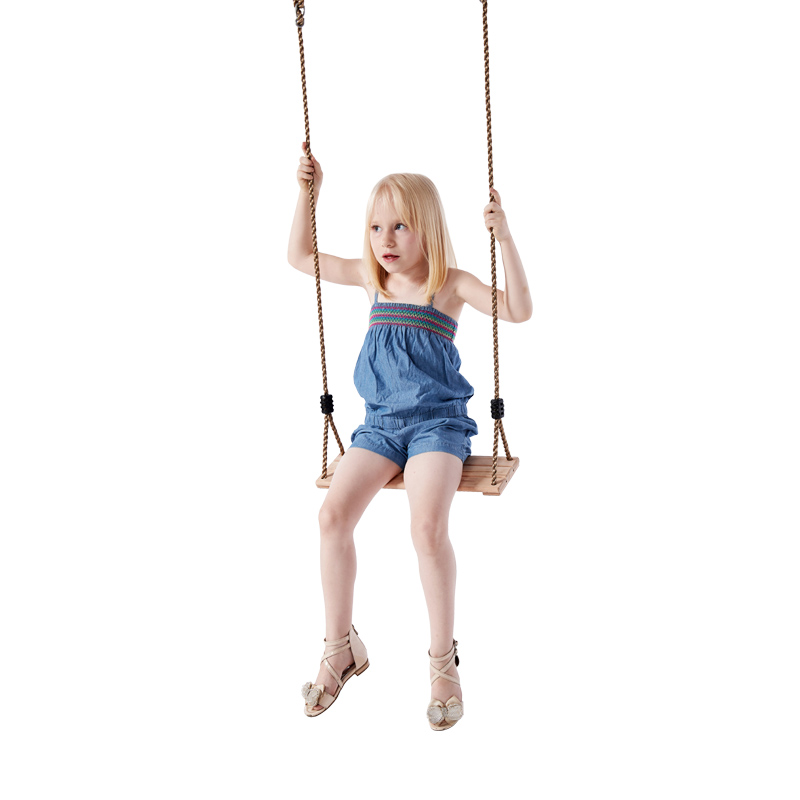
A high-strength nylon suspension strap is a load-bearing webbing component used to hang, secure, or connect swings, hammocks, climbing nets, and other high-altitude or elevated equipment to fixed mounting points such as tree branches, structural beams, swing frames, or ceiling joists. The strap serves as the critical load transfer link between the hanging equipment and its anchor — a role that demands a specific combination of tensile strength, dimensional stability, abrasion resistance, weather durability, and grip performance that general-purpose cordage and budget webbing cannot reliably provide.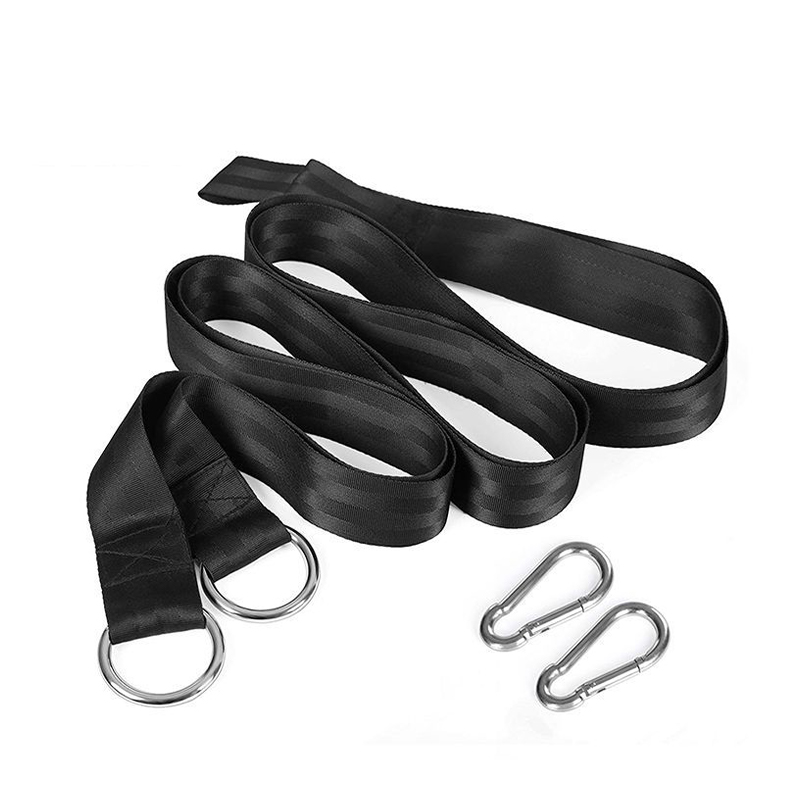
The YXS-M25 Nylon Suspension Strap from Ningbo Yongxu is manufactured from high-strength woven nylon with a minimum thickness of 1.0mm, available in three standard sizes and three distinct anti-slip surface textures. It is designed to be compatible with quick-connect clips, swivel rings, and other hardware accessories, making it a versatile component for both original equipment installation and aftermarket rigging across a wide range of recreational and commercial hanging applications.
Unlike ropes — which are round in cross-section and concentrate contact pressure at the point where they wrap around a branch or beam — a flat webbing strap distributes its load across the full contact width between strap and anchor. This distributed contact reduces stress concentration on both the strap material and the anchor surface, protects tree bark from the bark damage that thin ropes cause under repeated loading, and provides a more stable, less likely-to-slip contact geometry at rounded anchor surfaces. For tree swing installations in particular, wide flat straps are the ecologically responsible and structurally superior choice over ropes.
Why Nylon Is the Right Material for Suspension Straps
The choice of nylon as the base fiber for suspension straps is not arbitrary — it reflects the specific mechanical and environmental performance profile that load-bearing hanging applications require. Nylon (polyamide) competes with polyester and polypropylene as the primary fiber options for webbing straps, and each material has a distinct performance profile that makes it appropriate or inappropriate for specific applications.
High Tensile Strength and Elasticity
Nylon is one of the strongest textile fibers available, with tensile strength that enables narrow, lightweight straps to carry loads that would require substantially heavier constructions in lower-strength materials. Nylon also has a characteristic moderate elasticity — it stretches slightly under load and returns to its original length when the load is removed. For suspension strap applications, this elasticity acts as a shock absorber, dampening the dynamic load spikes that occur when a swing reaches the end of its arc and reverses direction, or when a climber generates impact loads on a climbing net. Dynamic load absorption reduces peak stress on both the strap and the anchor, contributing to the long-term integrity of the entire rigging system.
Abrasion Resistance for Long Service Life
Nylon's abrasion resistance is significantly higher than polypropylene and comparable to or better than polyester at equivalent fiber diameter. For suspension straps that wrap around rough tree bark, metal frame tubes, or hardware edges, surface abrasion is a continuous and gradual wear mechanism that progressively reduces the effective cross-section of load-bearing fibers over time. High abrasion resistance directly translates into longer service life before the strap requires inspection-triggered replacement — a meaningful practical advantage for applications where straps are semi-permanently installed and not routinely removed for inspection.
Weather and UV Resistance for Outdoor Applications
Outdoor suspension straps are exposed continuously to UV radiation, rain, humidity, temperature cycling, and in some environments, salt air or chemical contamination. Nylon performs well across all of these environmental challenges, maintaining its mechanical properties through extended outdoor exposure without the rapid embrittlement and strength loss that natural fiber alternatives such as cotton or jute experience. The woven nylon construction of the YXS-M25 distributes UV exposure across a larger surface area than solid round fibers, reducing the UV dose per unit of load-bearing cross-section and extending the strap's effective outdoor service life.
Three Anti-Slip Textures: American Pattern, Safety Pattern, and Bead Pattern
One of the most distinctive design features of the YXS-M25 is its availability in three distinct anti-slip surface textures — American pattern, safety pattern, and bead pattern. Each texture creates a different friction profile between the strap surface and the objects it contacts, whether that is a tree branch, a hardware fitting, human hands, or another strap in a rigging configuration. Selecting the appropriate texture for a specific application optimizes grip performance and reduces the risk of slippage under load.
American Pattern
The American pattern features a regular, geometric surface relief — typically a repeating diagonal or crosshatch weave pattern — that provides consistent friction enhancement across the full strap surface. This texture is well-suited to applications where the strap wraps around a smooth or semi-smooth anchor surface and needs reliable grip to prevent rotation or sliding of the wrap under dynamic loading. The regular geometry of the American pattern also makes it visually easy to inspect for wear — surface wear flattens the texture relief and provides a visible indicator that the strap's anti-slip performance is degrading before structural integrity is compromised.
Safety Pattern
The safety pattern incorporates a more aggressive surface relief designed for applications where maximum slip resistance is the priority — particularly where the strap may be subject to vibration, shock loading, or contact with wet or smooth surfaces where standard weave textures might allow migration. The enhanced texture depth of the safety pattern increases the mechanical interlocking between the strap surface and contact materials, providing higher friction coefficients in both dry and wet conditions compared to smoother texture alternatives. This makes the safety pattern appropriate for outdoor installations exposed to rain and morning dew where surface moisture could otherwise reduce grip at anchor contact points.
Bead Pattern
The bead pattern creates a surface with raised nodular features — small, rounded projections distributed across the strap face — that provide localized high-pressure contact points with anchor surfaces. This texture is particularly effective where the contact surface is irregular — rough tree bark, for example, where the nodular strap features engage mechanically with bark texture to resist longitudinal movement of the strap along the branch. The bead pattern also provides a comfortable, non-abrasive grip surface for human hands when users grasp the strap directly during mounting and adjustment operations.
Size Guide: Choosing the Right Strap Dimensions for Your Application
The YXS-M25 is available in three standard sizes, each optimized for different load requirements and application contexts. Selecting the correct size involves matching strap width and length to the specific rigging geometry and load parameters of the installation.
| Size | Dimensions | Typical Application | Key Advantage |
|---|---|---|---|
| Small | 2.5 × 25cm (0.98 × 9.84 in) | Swing seat attachment loops, short-span hardware connections, auxiliary straps on climbing nets | Compact, high-strength connector for tight-space rigging |
| Medium | 3.0 × 60cm (1.18 × 23.62 in) | Standard swing hanging loops, hammock end loops, mid-span hammock tree straps | Versatile mid-range for most residential swing and hammock installations |
| Large | 5 × 100cm (1.97 × 39.37 in) | Heavy platform swing tree mounting, large hammock straps, thick-diameter branch wrapping | Maximum contact area, tree-bark protection, highest load distribution |
Width Selection: Load Distribution and Anchor Protection
Strap width determines the contact area over which load is distributed at anchor points. A wider strap spreads the hanging load over more tree bark or beam surface, reducing the pressure per unit area that compresses and can damage bark, and reducing the stress concentration in the strap itself at the wrap point. For tree installations, arborists and outdoor recreation specialists consistently recommend straps of at least 2.5cm width for light loads and 5cm width for heavy platform swings or two-person hammocks — recommendations that align directly with the YXS-M25's size range. The 5 x 100cm large format is specifically appropriate for wrapping around large-diameter mature tree branches where thin straps would concentrate load on a small bark area and risk cambium damage that can harm or kill the tree over time.
Length Selection: Wrapping Configuration and Adjustment Range
Strap length determines whether the strap can complete the necessary wrapping configuration around the anchor and still present the correct connection point for the hanging hardware. A strap that is too short cannot complete a full wrap around a large-diameter branch, while one that is too long creates excess material that must be managed to prevent interference with the rigging system. The three standard lengths — 25cm, 60cm, and 100cm — cover the range from short loop connectors at attachment points to full tree-wrap configurations for large branch diameters common in mature backyard trees.
Hardware Compatibility: Quick-Connect Clips, Swivel Rings, and System Integration
The YXS-M25 is designed to integrate seamlessly with the hardware accessories that complete a functional rigging system for swings, hammocks, and climbing nets. The strap's flat webbing construction and standard width dimensions make it directly compatible with the loop slot and bar-tack attachment points used on quick-connect carabiner clips, swivel rings, D-rings, and S-hooks commonly used in recreational rigging applications.
Quick-connect clips allow the hanging equipment — swing, hammock, or net — to be attached and detached from the tree strap without untying or removing the strap from the anchor. This is practically valuable for equipment that is installed seasonally, needs to be moved between locations, or must be removed temporarily for storage or transport. The strap remains on the tree between uses, and the swing or hammock clips in and out in seconds. Swivel rings between the tree strap and the hanging equipment allow 360-degree rotation, preventing the rope or chain suspension of a disc swing or hammock from twisting and accumulating torsional stress as the hanging equipment rotates during use.
The minimum 1.0mm thickness specification of the YXS-M25 ensures the strap has sufficient body stiffness to feed through hardware slots and maintain loop geometry during connection and disconnection operations — a practical detail that distinguishes purpose-designed suspension straps from thin, floppy webbing alternatives that collapse and are difficult to handle during rigging.
Customization Options: Width, Length, and Texture for Specific Requirements
Beyond the three standard size options, the YXS-M25 is available with customization of width, length, and surface texture to meet the specific load and scenario requirements of buyers whose applications fall outside standard parameters. This customization capability is relevant for several categories of buyers.
- Playground equipment manufacturers integrating suspension straps as original equipment components in swing sets and play structures may require non-standard widths to match specific hardware slot dimensions or load rating requirements that differ from the standard size options.
- Commercial hammock brands sourcing straps as accessories or OEM components for their product line may specify custom lengths to match their hammock's end loop geometry or target a specific tree wrap diameter range as a product feature.
- Outdoor activity operators running zip-line courses, high-ropes adventures, or aerial obstacle installations may require custom widths and textures optimized for the specific rigging configurations and load ratings of their safety-critical equipment.
- Wholesale distributors supplying regional markets with specific regulatory requirements or preference profiles for strap dimensions can specify custom sizes that match their market's standard hardware dimensions.
Ningbo Yongxu's manufacturing infrastructure — including the tensile testing machine that verifies load performance of custom strap specifications — supports customization with documented quality verification, so buyers can be confident that custom-specified straps meet their performance requirements rather than relying on untested assumptions.
Installation and Inspection Best Practices for Suspension Straps
The performance and safety of any suspension strap system depends as much on correct installation and regular inspection as on the quality of the strap itself. The following practices apply to YXS-M25 installations across swing, hammock, and climbing net applications.
- Anchor point verification: Before installing any strap, verify that the anchor — whether a tree branch, beam, or frame — is structurally adequate for the intended load. For tree branches, a minimum diameter of 20cm is commonly recommended for adult swing or hammock use. Dead, diseased, or structurally compromised branches should never be used as swing or hammock anchors regardless of strap quality.
- Wrap configuration: For tree installations, wrap the strap fully around the branch and connect the hanging hardware through both strap ends or through a loop formed by the wrap. A full wrap distributes load across the full contact length of the strap on the branch surface and prevents the strap from sliding along the branch under asymmetric loading.
- Regular visual inspection: Inspect straps before each use session for cuts, abrasion wear, UV discoloration, fraying at edges, and distortion of the weave pattern. Any strap showing significant wear, cuts deeper than surface fibers, or permanent deformation should be replaced before further use.
- Seasonal removal for storage: For maximum service life, removing straps from outdoor installation during extended non-use periods — winter storage for seasonal installations — reduces UV and weather exposure accumulation and allows thorough inspection before reinstallation each season.
- Hardware inspection: Inspect quick-connect clips, swivel rings, and other hardware at each use for gate closure, corrosion, and mechanical damage. Hardware failure is statistically more common than strap failure in recreational rigging systems — the strap is only as reliable as the hardware it connects to.
Frequently Asked Questions About the High-Strength Nylon Suspension Strap
Q: What is the minimum thickness specification of the YXS-M25 and why does it matter?
The YXS-M25 specifies a minimum thickness of ≥1.0mm. This thickness threshold ensures the strap has sufficient structural body to maintain shape during hardware connection, resist cutting through at sharp contact edges, and provide the cross-sectional fiber content needed to meet load rating requirements. Thinner straps may have lower tensile strength, reduced abrasion resistance, and insufficient stiffness to handle reliably during rigging operations.
Q: Which anti-slip texture should I choose for a tree swing installation?
For tree swing installations where the strap wraps around natural bark, the bead pattern is generally the most appropriate choice — the nodular surface features engage mechanically with rough bark texture, resisting longitudinal movement of the strap along the branch under the dynamic loads of active swinging. For smooth-surface anchor points such as metal beam flanges or polished hardware, the safety pattern's more aggressive relief provides better grip on surfaces that offer less natural mechanical engagement.
Q: Can the suspension strap be used for hammock installation?
Yes. The YXS-M25 is listed as compatible with hammock applications, and the range of sizes — particularly the 5 x 100cm large format — is well-suited to the tree-wrap hammock installation configuration where a wide strap protects bark from the concentrated load of a hammock's end loops under occupant weight. The strap's nylon construction provides the elasticity that makes hammock suspension comfortable and the abrasion resistance needed for long-term installation on bark surfaces.
Q: Are custom sizes available for commercial and OEM applications?
Yes. Ningbo Yongxu offers customization of width, length, and surface texture beyond the three standard size options, supporting playground equipment manufacturers, hammock brands, outdoor activity operators, and wholesale distributors who require non-standard specifications. Custom orders are supported by the facility's tensile testing machine and quality inspection infrastructure to verify that custom specifications meet load and performance requirements.
Q: How do I know when a suspension strap needs to be replaced?
Replace the suspension strap immediately if any of the following conditions are observed: visible cuts or nicks penetrating beyond surface fibers, significant abrasion wear that has visibly reduced the weave density or edge integrity, UV discoloration combined with loss of flexibility or surface crumbling, permanent deformation or kinking that prevents the strap from lying flat, or any signs of mold or mildew growth that has penetrated the fiber structure. As a general conservative practice, straps in continuous outdoor installation in demanding climates should be replaced every two to three years regardless of visual condition, as UV degradation of internal fiber structure may not always be visible at the surface.
Q: What hardware is compatible with the YXS-M25 suspension strap?
The YXS-M25 is designed to pair with quick-connect carabiner clips, swivel rings, D-rings, and S-hooks — the standard hardware accessories used in recreational swing and hammock rigging. The flat webbing format feeds through hardware slots designed for webbing straps, and the three standard widths (2.5cm, 3.0cm, 5.0cm) cover the hardware slot dimensions common across the range of recreational rigging accessories available in the market. For custom width specifications, hardware compatibility should be confirmed against the specific slot dimensions of the hardware being used.