 Eng
Eng
 Español
 عربى
عربى Deutsch
 русский
 Français
Content
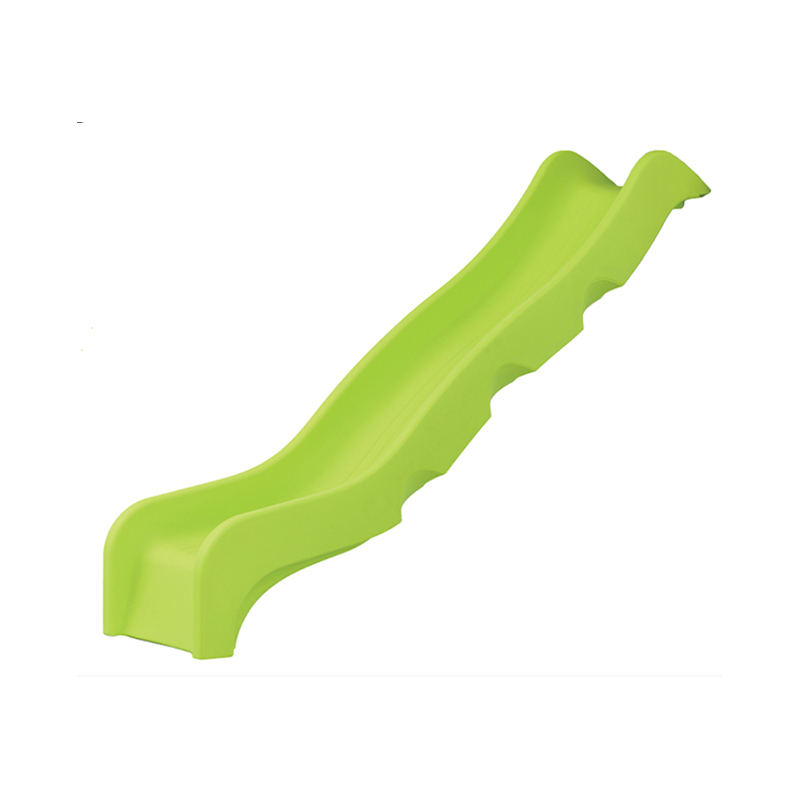
Plastic slides (typically made from UV-resistant high-density polyethylene, HDPE) are lighter, more affordable, easier to maintain, and available in a wider range of colors and shapes. Fiberglass slides are heavier, stronger under structural load, more resistant to surface scratching and graffiti, and better suited to large commercial or high-traffic installations where long-term durability justifies the higher cost. For most residential and community playground applications, plastic slides are the practical and cost-effective choice; fiberglass excels in theme parks, water parks, and large public infrastructure.
Material Properties: HDPE Plastic vs Fiberglass Composite
Plastic (HDPE) Slides
High-density polyethylene (HDPE) slides are manufactured using injection molding or rotational molding in a single seamless piece, which eliminates joints and seams where sharp edges could form over time. Key material properties:
- UV stabilization: UV-resistant additives prevent color fading and polymer degradation from prolonged sun exposure; quality HDPE playground slides maintain structural integrity and color for 10–15 years of outdoor use
- Anti-aging formulation: Anti-oxidant additives prevent embrittlement from temperature cycling and ozone exposure
- Dynamic load capacity: Quality HDPE slides carry a dynamic load of 150 kg (330 lbs) — sufficient for adults as well as children, important for safety compliance
- Surface temperature: HDPE absorbs less radiant heat than dark fiberglass or metal surfaces; the slide surface remains cooler on hot summer days, reducing burn risk for children
Fiberglass (GRP) Slides
Fiberglass (glass fiber reinforced polymer, GRP) slides are manufactured by hand layup or resin transfer molding over a mold, producing a rigid composite shell with high stiffness-to-weight ratio. Properties include:
- Higher structural stiffness: Fiberglass has a flexural modulus significantly higher than HDPE, making it suitable for longer slide spans and tube slide structures that would deflect excessively in plastic
- Custom shapes and colors: Fiberglass can be molded into complex curves, tunnel sections, and themed structures with a high-gloss gel coat surface; this makes it the material of choice for themed and water park installations
- Scratch vulnerability: The gel coat surface can be scratched by abrasive contact, exposed fiberglass strands, or UV degradation of the surface resin — requiring periodic recoating on heavily used commercial slides
Safety Features: Where Each Material Excels
Both materials can be manufactured to meet playground safety standards (EN 1176 in Europe, ASTM F1487 in the USA), but they achieve safety through different design approaches:
- Plastic slides: Non-slip steps, raised guardrails, and cushioned landing platforms are typically incorporated as integral molded features — no separate attachment points that could loosen over time. The seamless one-piece construction means no joints to crack or fasteners to work loose.
- Fiberglass slides: The smooth, hard gel coat surface provides low friction for consistent slide speed but can become very hot in direct sun exposure — a safety concern for bare-skin contact. Anti-static coatings reduce static electricity buildup, which is particularly relevant in dry climates where static shock can startle young children.
Side-by-Side Comparison
| Criteria | Plastic (HDPE) Slide | Fiberglass (GRP) Slide |
|---|---|---|
| Material | UV-stabilized HDPE | Glass fiber + polyester/epoxy resin |
| Weight | Light | Heavier |
| Purchase cost | Lower | Higher |
| Color options | Very wide (molded-in color) | Wide (gel coat) |
| Scratch resistance | Good (slight surface dulling) | Moderate (gel coat scratches) |
| Sun surface temperature | Lower (safer for skin contact) | Can become very hot |
| Design flexibility | Good (standard shapes) | Excellent (complex tunnel forms) |
| Best application | Residential, community, school | Water parks, theme parks, large public |
Which to Choose: A Practical Guide
- Residential garden or small community playground: HDPE plastic — lower cost, lighter for installation, safe surface temperatures, easy replacement of individual components if damaged
- Large public park or school playground: Both are suitable; HDPE for standard straight and wave slides, fiberglass for tube slides and enclosed structures requiring longer spans
- Water park or themed attraction: Fiberglass — the ability to create custom-shaped, seamless tube structures and apply branded gel coat colors makes it the industry standard for this application
- Hot climate installation: HDPE plastic — particularly for open-top slides where the surface will be exposed to direct sun; significantly lower surface temperatures reduce burn risk for children in shorts or swimwear