 Eng
Eng
 Español
 عربى
عربى Deutsch
 русский
 Français
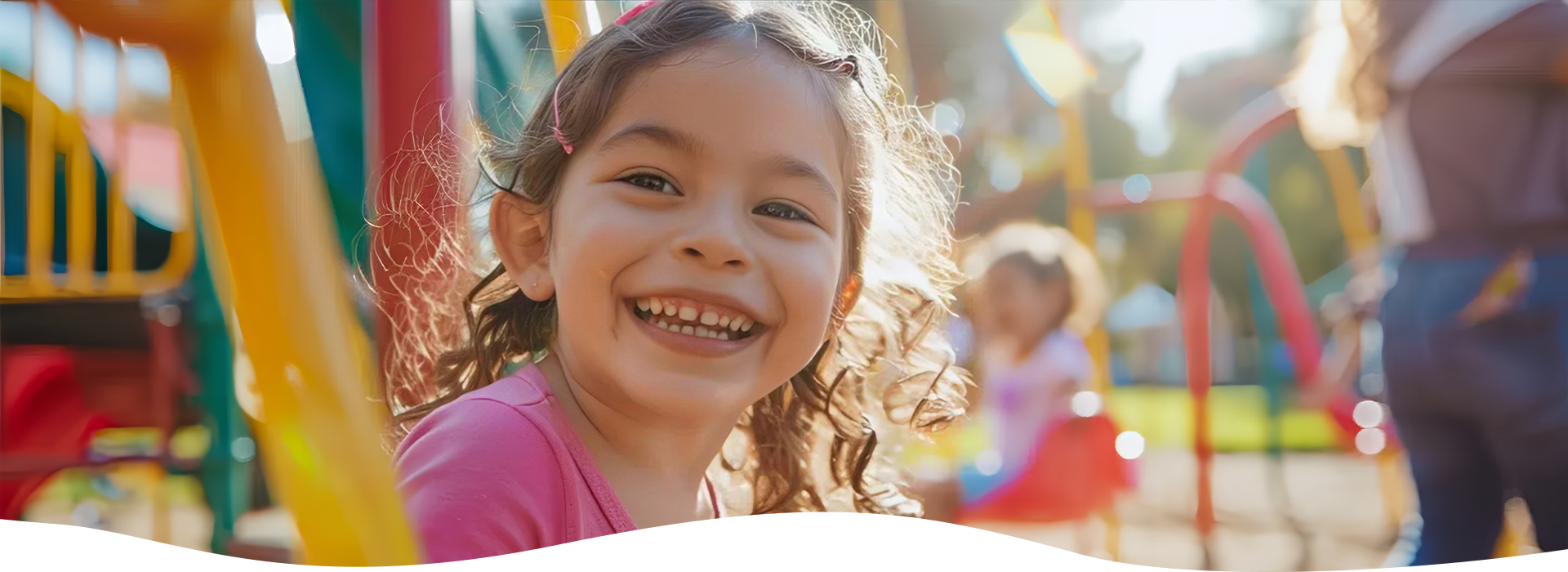
Children Swing Seats & Swing Chairs Manufacturers
Swing Seats & Swing Chairs offer blow-molded plastic swings and natural wooden swings for kids. Made with eco-friendly materials and weatherproof PE ropes/rust-resistant chains, they combine lightweight design with high load capacity. Certified by EN71 & ASTM for safety in homes, kindergartens, and communities.
Plastic swings utilize blow-molding (impact-resistant) and injection-molding (smooth finish), paired with anti-aging ropes/chains. Wooden swings feature crack-resistant carbonized wood and adjustable PE ropes (1.2-2m height) for tree or frame installation.
Beyond play, they promote sensory-motor development through safe swinging. Designed with safety and fun at the core, this series redefines outdoor leisure for young children.
-
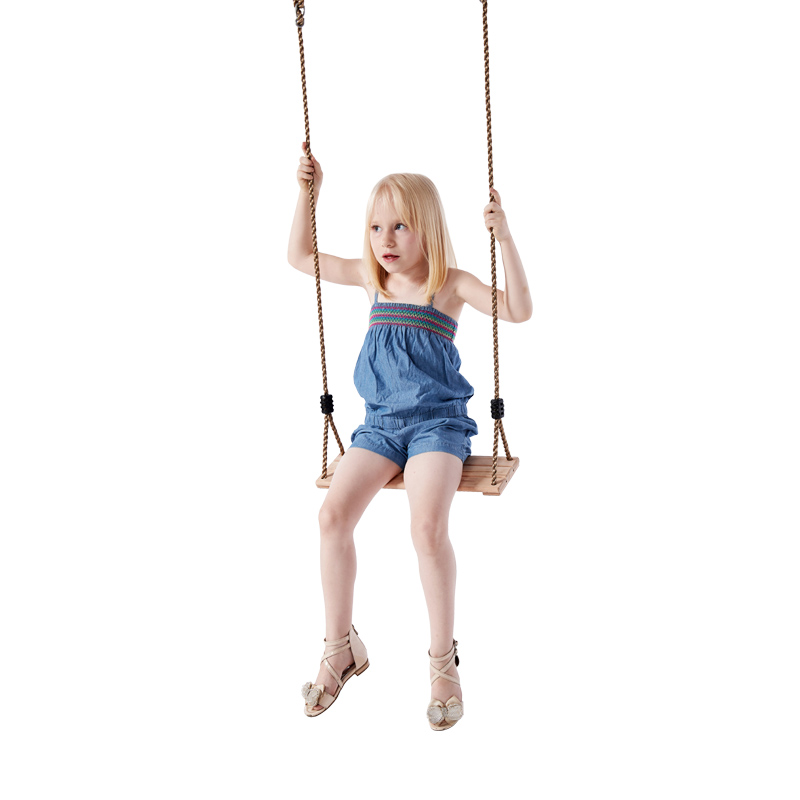
Beech Hardwood 4-Plank Swing Seat
The Beech Hardwood 4-Plank Swing Seat, crafted from a blend of premium hardwood and birch, this swing seat features a four-plank design for enhanced stability. Treated with anti-crack and anti-corrosi... -
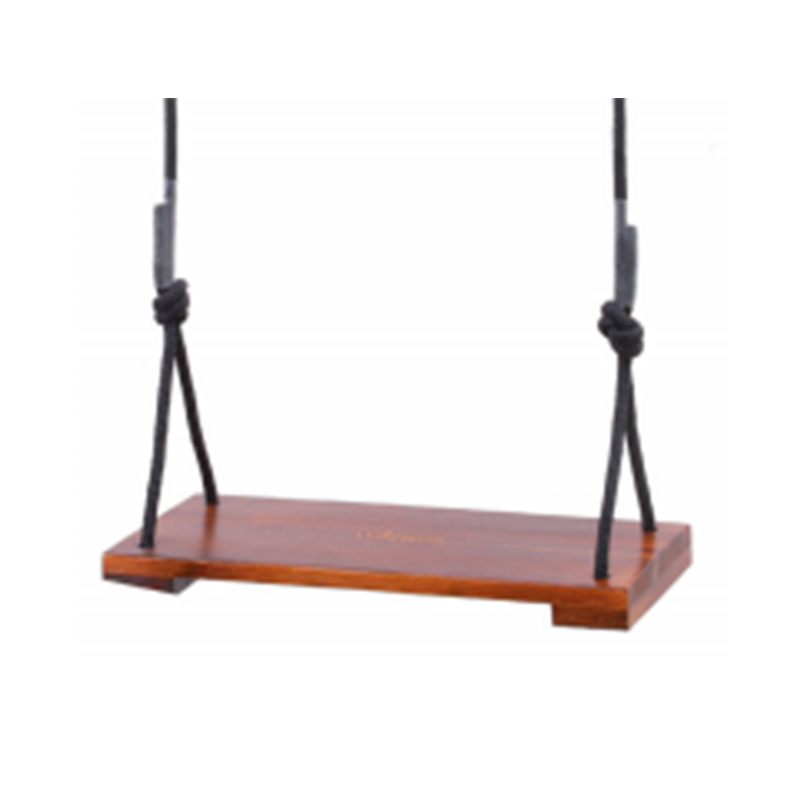
Natural Pine Wood Swing Seat For Kids
The Natural Pine Wood Swing Seat for Kids is made from premium pine wood treated with high-temperature oxygen-free carbonization for anti-corrosion, anti-crack, and chemical-free safety. Certified eco...
About Us
Ningbo Yongxu Industrial Product Manufacturing Co., Ltd.
Ningbo Yongxu Industrial Product Manufacturing Co., Ltd. is China Children Swing Seats & Swing Chairs Manufacturers and Custom Children Swing Seats & Swing Chairs Factory.
The measurement room is equipped with coordinate measuring machine (CMM), tensile testing machine, digital optical projector, salt spray test chamber and other inspection equipments. There covers comprehensive quality inspection for injection molded product, metal product, and sprayed product throughout the entire process. The response time for urgent inspections is less than 30 minutes.
Certificate Of Honor
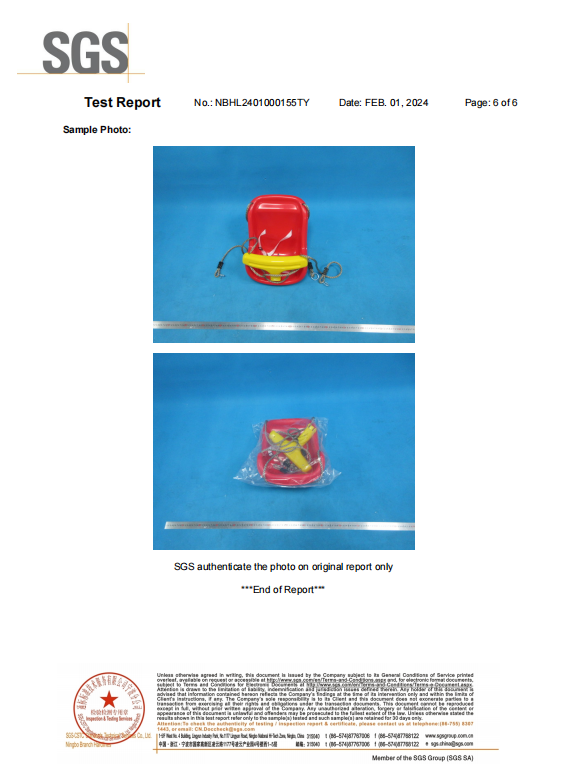
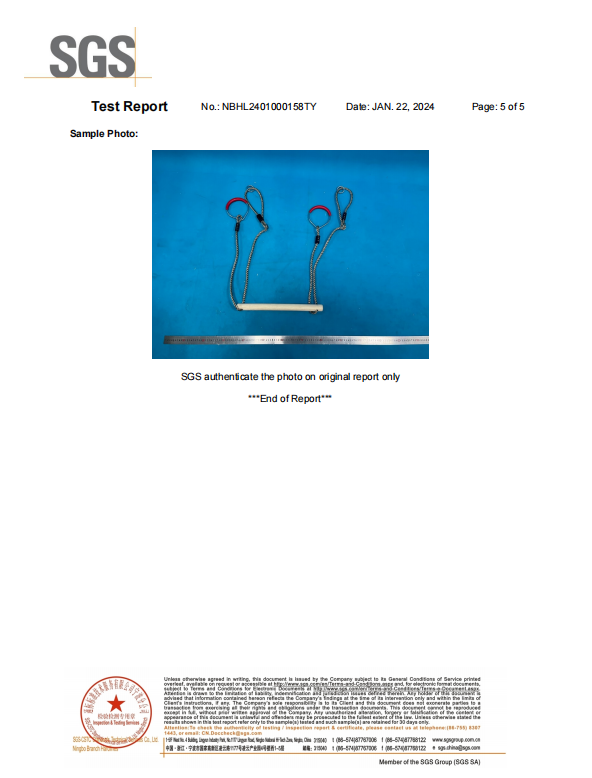
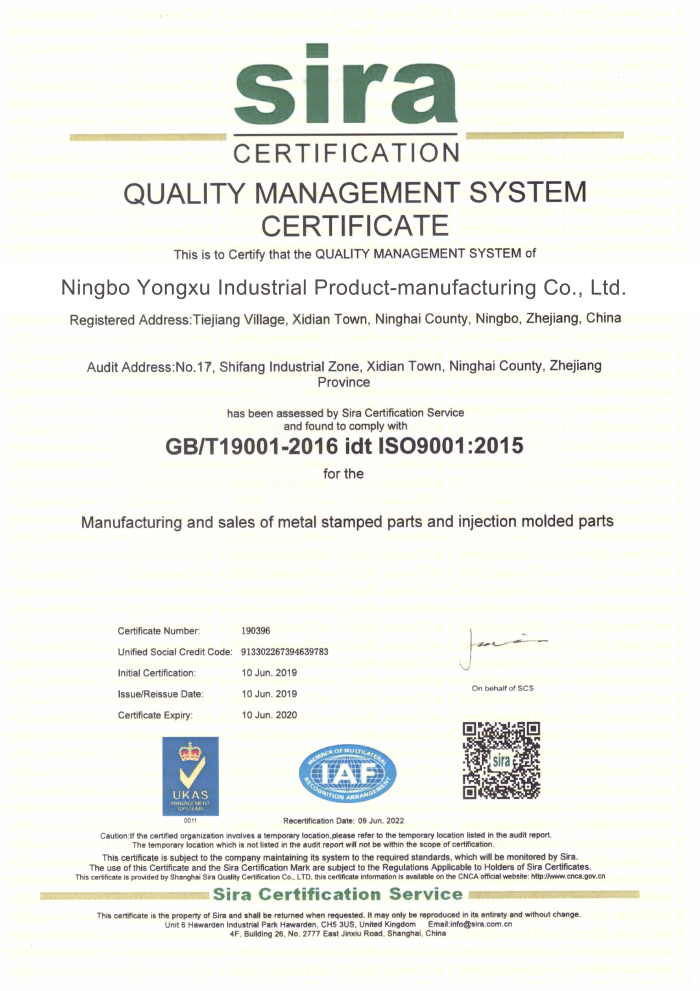
News
-
The Art of Vertical Play: Engineering Safety into Every Knot In an era of digital play, the Hand-Woven Climbing Net offers a return to tactile, physical development. Combining traditional craftsmanship with modern material science, these nets utilize 10mm diameter eco-friendly polyethylene ropes th...
READ MORE -
Redefining Backyard Play with the Dual Ride Glider Swing When it comes to outdoor play, few things capture the imagination quite like the feeling of flight. The Dual Ride Glider Back-To-Back Tandem Swing takes this classic experience and doubles the fun. Unlike traditional single-seat swings, this ...
READ MORE -
Finding the Perfect Balance: Safety and Support for Growing Infants When selecting an outdoor swing for a young child, the most critical factor is ensuring the equipment matches the infant's physical development. For babies transitioning out of early infancy, the Multi-functional Safety Infants and...
READ MORE
Message Feedback
Related products
-
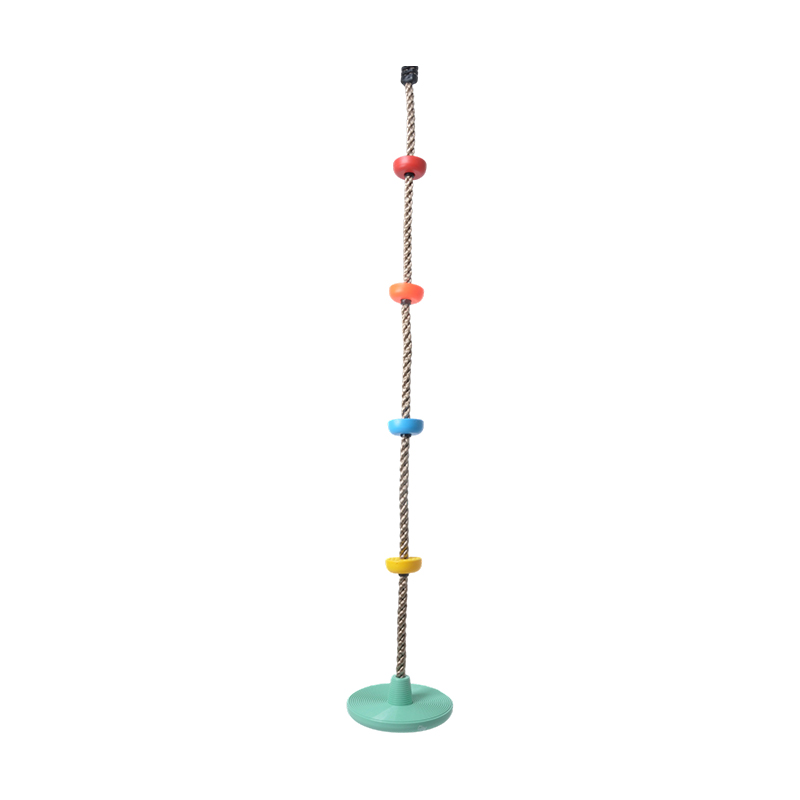
The multi-functional Climbing Rope with Platforms and Disc Swing Seat Set is specially designed for children aged 6 and above, featuring a stepped groove design between the disc and base to enhance fo...
See Details -
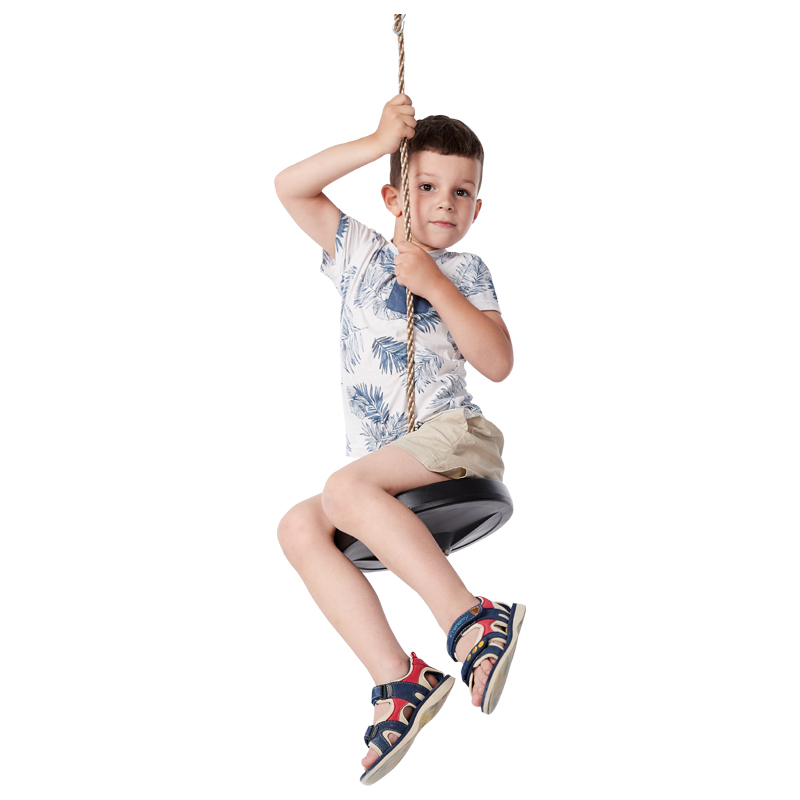
This disc swing with rope features a 28cm diameter, 7cm thick disc, 1.4 m- 1.8 m adjustable height rope, and a metal ring. Made of eco-friendly Polyethylene plastic, this monkey swing requires simulta...
See Details -
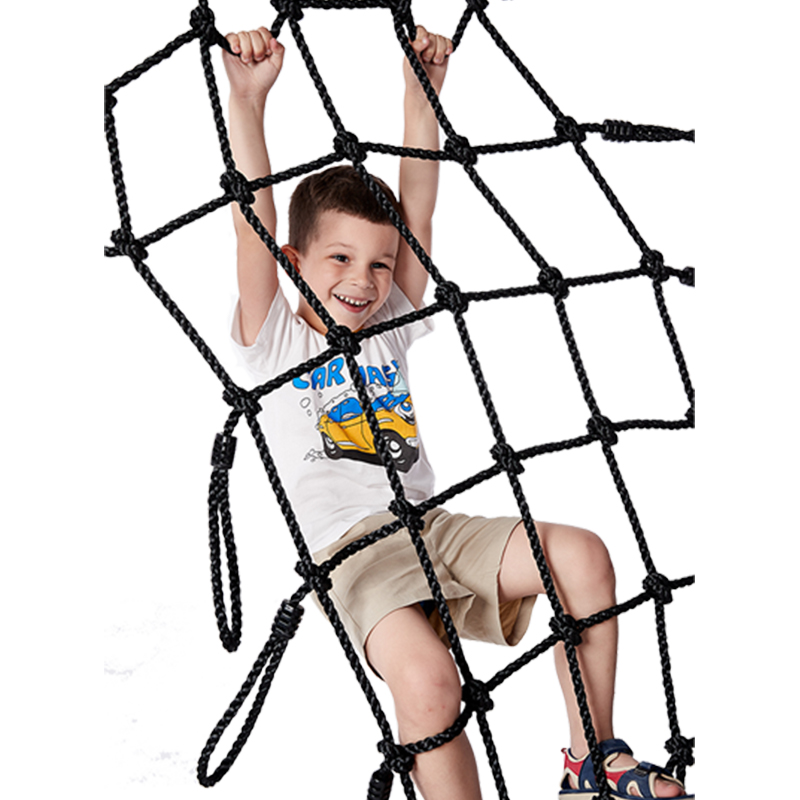
Our outdoor adventure climbing nets offer 12mm/18mm rope diameter options with uniform mesh spacing and load-bearing capacity, ensuring no sagging. Perfect for playgrounds, gyms, or backyard recreatio...
See Details -
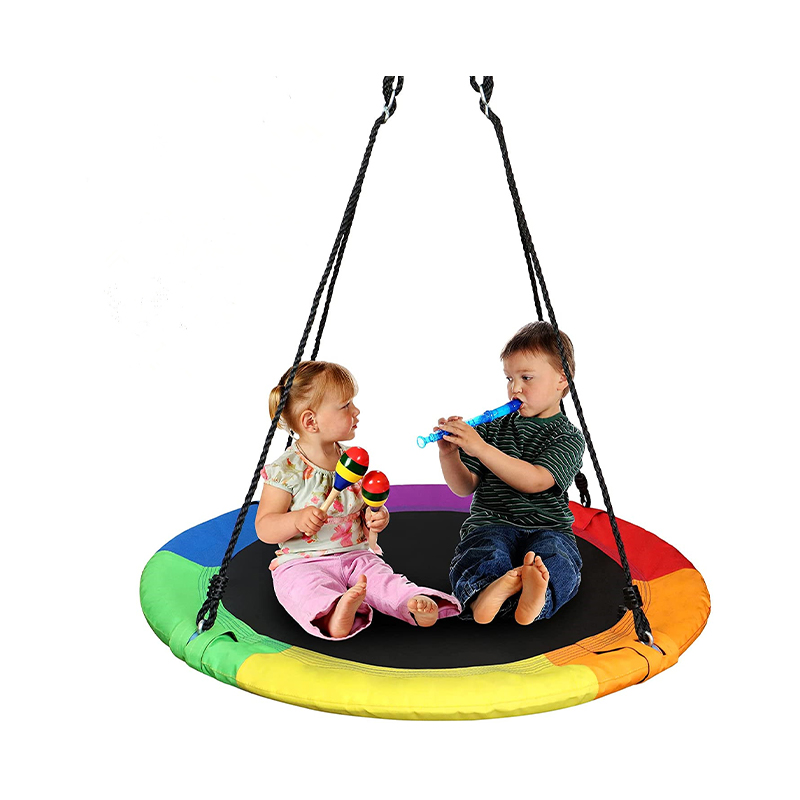
This 40-inch giant saucer swing uses 900D/600D Oxford fabric that's waterproof, mold-resistant, tear-proof, and UV-protected to maintain vibrant colors even after prolonged exposure. The multi-colored...
See Details -
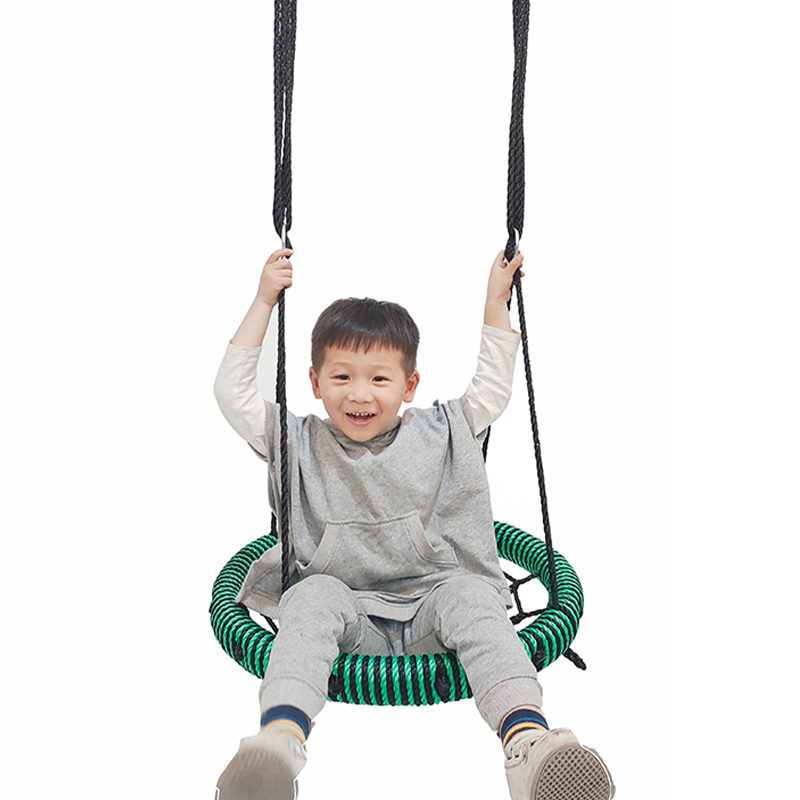
This 60cm nest net swing is specially designed for children, suitable for single use. The frame features reinforced 45x1.0mm thickened steel pipes for enhanced load-bearing capacity and safety. The su...
See Details -
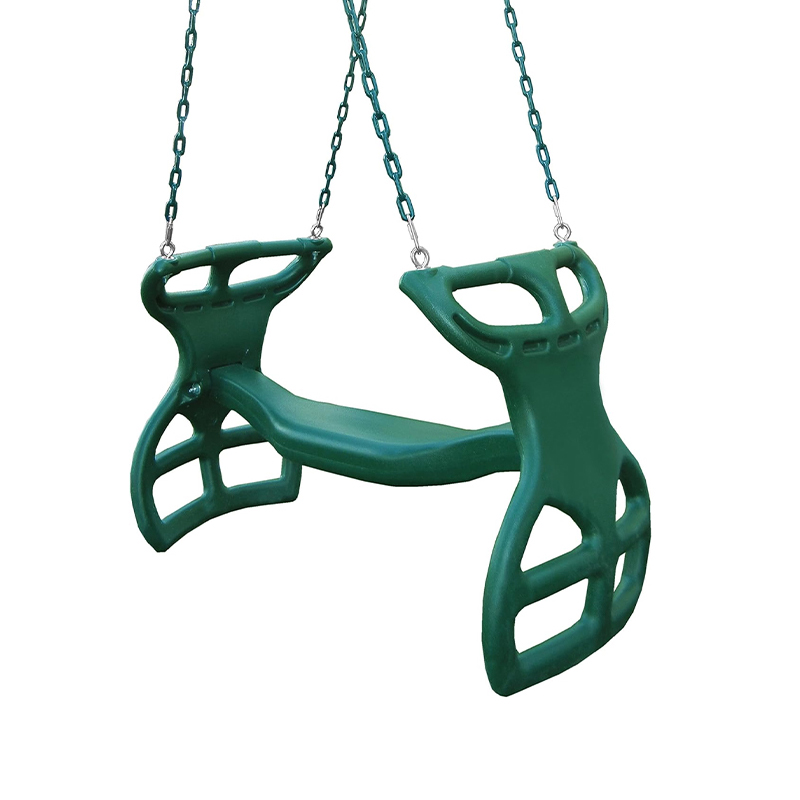
The dual-rider glider swing with anti-slip chains is made of durable PE plastic, featuring dual footrests and dual handles for enhanced safety. The extra-wide saddle-style seat comfortably fits two ch...
See Details -
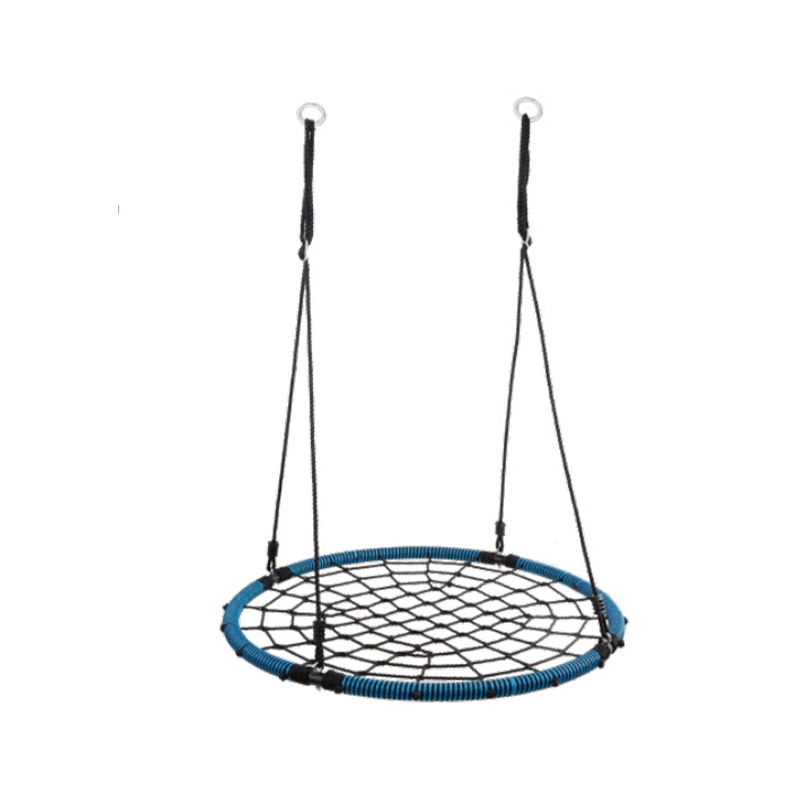
This round net rope swing features a dual-color weaving technique, with high-density polyethylene ropes interlaced to form diamond-shaped mesh patterns that resist deformation during prolonged use. Th...
See Details -
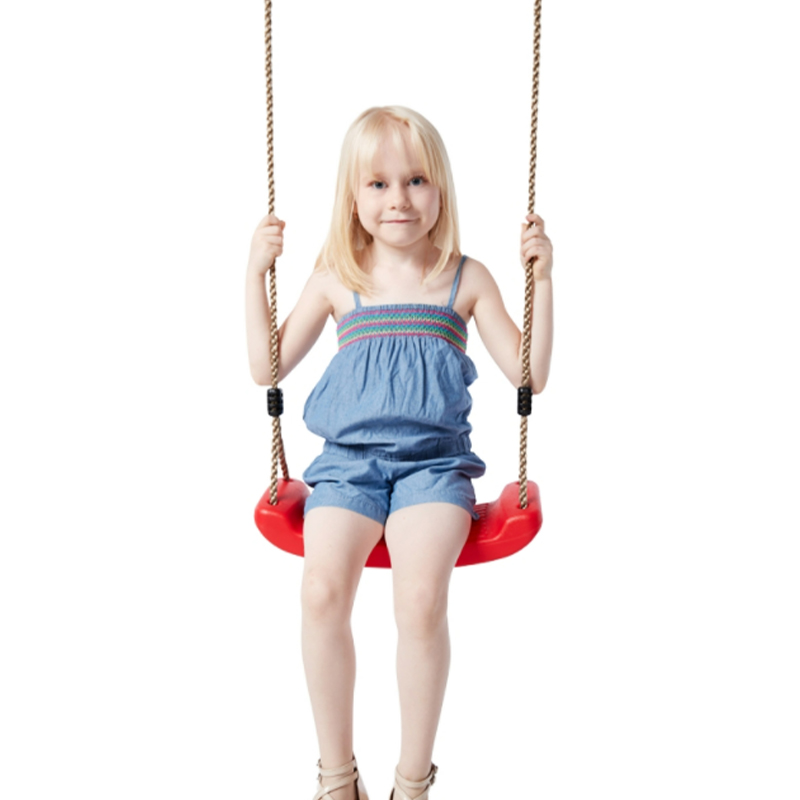
The plastic blow-molded swing seat is specially designed for kids aged 3 +, made of high-quality Polyethylene material that is eco-friendly and safe. The product is lightweight and portable, with cust...
See Details -
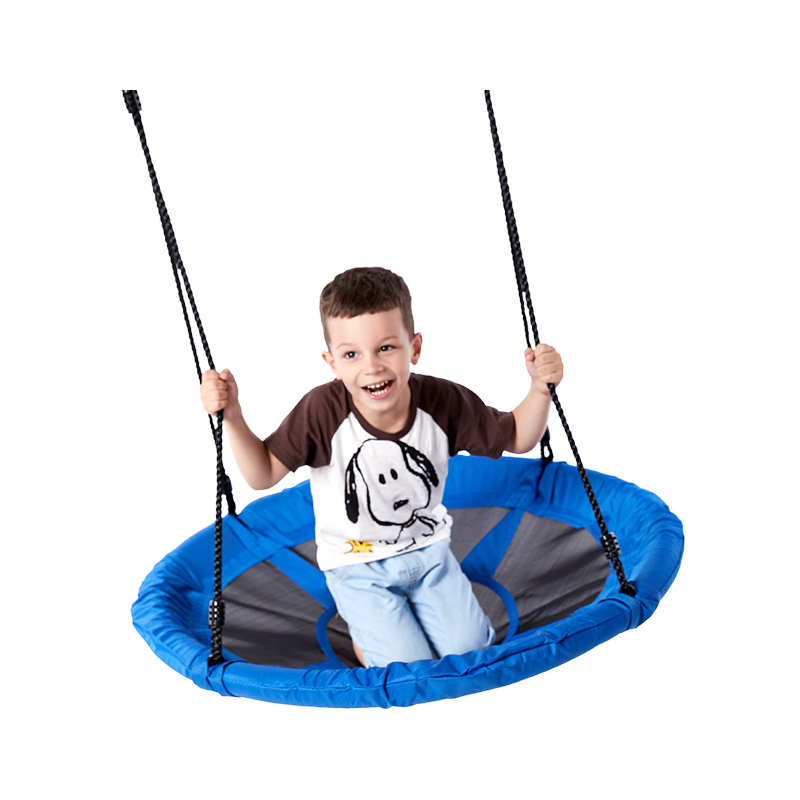
This outdoor saucer swing is crafted with premium 2x1 density Teslin fabric that offers UV protection, tear resistance, colorfastness, and waterproof performance while providing tactile comfort. The n...
See Details
Swing Seats & Swing Chairs Industry knowledge
The Swing Seats and Swing Chairs industry is a dynamic segment of the global leisure and playground equipment market. As of 2026, it is experiencing a significant shift toward sustainability, modular design, and smart technology.
The market is currently valued at approximately $0.40–$0.41 billion for dedicated swing sets, while the broader outdoor furniture market (including leisure swing chairs) has surpassed $52 billion globally.
1. Market Dynamics (2025–2026)
-
Growth Trajectory: The dedicated swing set market is growing at a CAGR of 3.11%, while the leisure/outdoor furniture segment is expanding faster at 6.30% (2026–2033 forecast).
-
Key Drivers:
-
Residential Focus: Homeowners are treating backyards as "indoor-outdoor" extensions, driving demand for premium, aesthetic porch swings and daybed swings.
-
Institutional Demand: Schools and public parks in regions like India and the UK are fueling the commercial segment through infrastructure expansion.
-
Urbanization: In dense cities (China, Japan), "compact" and "foldable" swing designs are trending for balconies and small patios.
-
2. Industry Segments
| Segment | Core Focus | Leading Materials |
| Commercial Play | Extreme durability, anti-vandalism, safety compliance (ASTM/EN). | Galvanized steel, EPDM rubber. |
| Residential Leisure | Comfort, aesthetic appeal, "Instagrammability." | Wicker/Rattan, Teak, Polywood. |
| Therapeutic/Sensory | Vestibular stimulation, SPD support, safety harnesses. | Fabric wraps, soft foam. |
| Adventure/Tourism | Extreme heights, redundant safety, high-load capacity. | High-tension steel cables. |
3. Technical & Manufacturing Innovations
-
Eco-Friendly Materials: A major trend for 2026 is the use of Post-Consumer Recycled (PCR) plastics. Brands like Polywood use recycled milk jugs and detergent containers to create "lumber" that won't splinter or fade.
-
Smart Play Technology: Approximately 12% of new commercial launches now feature smart integrations, such as motion detectors that trigger LED lighting or interactive audio functions.
-
Agentic AI in Manufacturing: Major producers are using AI to identify alternative suppliers during disruptions and to automate shift handovers, increasing production agility.
4. Safety Standards & Regulations
Safety compliance is a major barrier to entry, with 20% of manufacturers struggling to meet multi-regional codes.
-
ASTM F1487 (Public Use): Requires "backings" on staircases to prevent head/neck entrapment and specific "use zones" (usually 6 feet beyond the equipment).
-
ASTM F1148 (Residential): Less stringent but still mandates specific fall zone surfacing (grass is generally no longer considered a safe surface for new commercial installs).
-
EN 1176 (European): Focuses heavily on "Finger Entrapment" (gaps must be <8mm or >25mm).
5. Emerging Trends for 2026
-
Modular Customization: Consumers are increasingly looking for "interchangeable" sets where a toddler bucket seat can be easily swapped for a belt swing or a "You & Me" face-to-face seat as the family grows.
-
Biophilic Design: Moving away from primary colors toward earth tones (olive green, slate grey, sandy brown) to blend with natural landscaping.
-
Wellness Integration: Swing chairs are being marketed for "mental health breaks" and "mindful relaxation," with ergonomic designs focusing on lumbar support and rhythmic motion.
Heavy-Duty Leisure: The "Giant Swing" and "Daybed Swing" (twin-size mattress capacity) are the fastest-growing niches in the luxury residential market.
FAQ:
Q: Why are outdoor hanging chairs mostly made of "PE synthetic rattan" instead of "natural rattan"?
A: Although natural rattan is beautiful, it is prone to cracking, mildew, and damage from rain outdoors. PE (polyethylene) synthetic rattan has excellent UV resistance and waterproofing. In the high-end market of 2026, environmentally friendly and recyclable PE rattan has become the mainstream, capable of withstanding extreme temperatures from -20°C to 50°C.
Q: Which is better: aluminum alloy frame or steel frame?
A: Aluminum alloy is lighter and absolutely rust-proof, suitable for humid coastal environments, but it is more expensive; steel frames are heavier and more stable, suitable for windy areas, but it must be confirmed that they have undergone "electrophoretic coating + powder coating" double anti-rust treatment, otherwise the welds are very prone to rusting.
Q: What is the difference between "static load capacity" and "dynamic load capacity" of a swing?
A: This is a crucial pitfall. Static load capacity (e.g., 300kg) refers to the weight of a stationary suspended object; while dynamic load capacity refers to the impact on the structure caused by the centrifugal force generated when a person swings. Industry standards usually require dynamic testing to reach 1.5 to 2 times the static nominal value. When purchasing, you should focus on asking about the "safe load capacity in swinging state".
Q: What are the requirements for installing a swing on an indoor ceiling?
A: It must be installed on a load-bearing concrete beam or solid wood beam. Installation on gypsum board ceilings or light steel frames is absolutely prohibited. It is usually recommended to use expansion bolts combined with special swivel hangers to reduce lateral friction on the ropes.
Q: What to do if outdoor fabric cushions fade? How to prevent it?
A: The top fabrics in the industry are Sunbrella or Olefin. These fabrics are solution-dyed during the fiber spinning stage, and their fade resistance is 5-10 times that of ordinary polyester. For regular fabrics, it is recommended to apply a UV protection spray once a year.
Q: How to deal with a "squeaking" sound when swinging?
A: The sound usually comes from friction at the metal contact points. Do not use ordinary machine oil (which easily attracts dust). It is recommended to use a dry Teflon spray or industrial-grade lubricating silicone grease, which can both eliminate noise and prevent dust and rust.
Q: What special legal risks should be considered when purchasing swings for guesthouses or hotels?
A: Commercial establishments must purchase products that meet Commercial Grade standards, not ordinary household models. Commercial models have mandatory requirements for anti-loosening screw design, anti-pinch chain design, and flame retardant performance (FR Standard). If using household products results in guest injury, the operator may face significant insurance compensation risks.
Q: What are "Modular Swing Systems"?
A: This is an emerging trend in 2026. Users purchase a basic frame and can replace different components according to the season or needs (e.g., a cool mesh seat in summer, a warm, enclosed hanging chair in winter, or even a solar-powered canopy seat that supports mobile phone charging).

The company's main products: children's swings and accessories, climbing nets, climbing ropes, slides,
trampolines and other series of products.
Quick Links
Category
Contact Us
-
 +86-13867893287
-
 +86-574-83516269
-
 sales@nbyongxu.com
-
 13-1 Haikou Village, Xidian town, Ninghai county, Ningbo city. China.
Get In Touch
Contact us for free quotes and more expertise on children's swings.
