 Eng
Eng
 Español
 عربى
عربى Deutsch
 русский
 Français
Content
When parents look for outdoor play equipment, the questions are often universal: Is it safe? Will it last through seasons of enthusiastic play? Does it offer more than just a moment's fun? These concerns drive the search for play structures that are built to endure and designed with a child's well-being in mind. Modern swings have evolved from simple seats to dynamic tools that encourage physical activity and outdoor exploration. This article explores the key aspects of a robust and beneficial kids' swing, focusing on the elements that answer these common parental questions.
Engineering for Safety and Strength
At the core of any trustworthy play equipment is its structural integrity. The frame and support system must handle not just the static weight of a child, but the dynamic forces of swinging, climbing, and occasional enthusiastic use by multiple children.
Robust Frame Construction
A sturdy frame is non-negotiable. Look for construction that uses thickened materials, such as iron rods, which provide a solid foundation. The connection points between the main bar and the chains or ropes are particularly critical; these should be reinforced to prevent loosening or failure over time.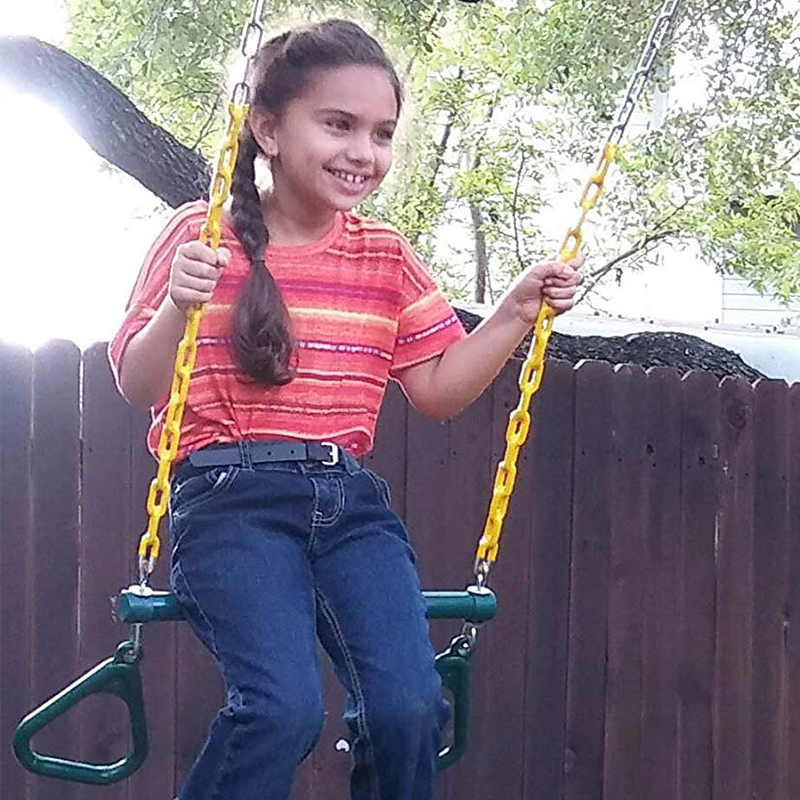
Understanding Load Capacity
Load capacity is a key indicator of strength. A swing rated for a higher weight suggests robust materials and construction. It's important to note that this capacity should account for the dynamic movement of swinging, not just static weight, offering a significant safety buffer for active play.
| Feature | Typical Concern | How It's Addressed |
|---|---|---|
| Frame Material | Bending, breaking, or collapsing under stress. | Use of thickened, high-strength iron rods with reinforced connections. |
| Load Capacity | Will it support my child as they grow, or if friends join? | Design supporting weights significantly higher than a single child's weight (e.g., 200kg/440lbs). |
| Attachment Points | Weak links where chains connect to the bar or tree. | Steel-plate embedded handles or welded, closed-link systems for secure attachment. |
Decoding Safety Certifications and Designs
Safety is multifaceted, involving both adherence to established standards and thoughtful design details that prevent common playground injuries.
The Importance of Safety Standards
Compliance with recognized safety standards, such as those from ASTM International, is crucial. These standards set benchmarks for material quality, structural strength, and performance. Additionally, certifications like the CPSIA (Consumer Product Safety Improvement Act) ensure the product is free from harmful substances like lead or phthalates. A product meeting these benchmarks has undergone specific testing protocols.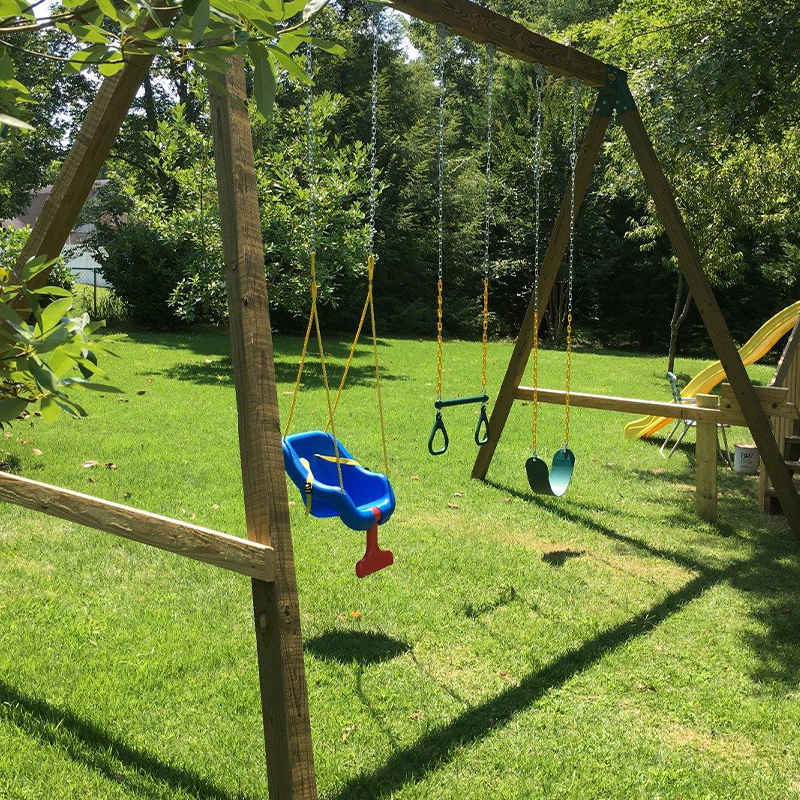
Thoughtful Design Details
Beyond certifications, the physical design plays a huge role. Key features to look for include:
- Rounded Edges: All corners and edges, especially where hands grip, should be smoothly rounded to a specific radius (often greater than 2mm) to prevent cuts and abrasions.
- Pinch-Point Prevention: The design of the chain links and their connection to the swing bar should minimize gaps where little fingers could get pinched.
- Secure Grip Surfaces: Handles or grip areas should be textured or shaped to prevent slipping, even from sweaty palms.
| Safety Aspect | Certification/Design Feature | Benefit to the Child |
|---|---|---|
| Material Safety | CPSIA Compliance | Ensures materials are non-toxic and safe for prolonged contact. |
| Structural Safety | ASTM F964 Standard | Verifies the swing's strength and stability under use. |
| Physical Safety | Rounded Corners >2mm, Anti-pinch Chains | Reduces risk of cuts, bruises, and pinched fingers during play. |
Built to Last: Weather Resistance and Durability
Outdoor equipment lives a tough life, exposed to sun, rain, temperature swings, and humidity. Durability is a direct answer to the common question, "Will I need to replace this next year?"
The Role of Protective Coatings
Metal components are susceptible to rust, which weakens structure and creates rough surfaces. A high-quality, baked-on powder coating or an anti-rust finish in a dark color (like forest green, which can also absorb heat differently than lighter colors) acts as a shield. This coating should be tested for adhesion and corrosion resistance.
Testing Against the Elements
Manufacturers often use accelerated aging tests to predict longevity. Salt spray testing, for example, simulates years of exposure to harsh, corrosive environments in a matter of days. A product that withstands 72 hours or more of such testing indicates a protective finish designed for long-term outdoor exposure.
More Than a Swing: Encouraging Physical Development
A great Kids Swing Trapeze offers more than simple back-and-forth motion. Its design can actively encourage motor skill development and physical confidence.
Building Strength and Coordination
A trapeze bar, as opposed to a seat, requires active engagement. To simply hold on, children use their grip strength, arm muscles, and core stability. Swinging on it further develops balance and kinesthetic awareness. The act of pulling themselves up or trying to climb the chains engages major muscle groups in a fun, unstructured way.
The Benefit of Extended Chains
Chain length is a key factor. Longer chains (for example, around 914mm or 36 inches) allow for a greater arc of swinging, which can be more exhilarating. They also make the swing accessible for climbing, turning the equipment into a multi-functional play station that challenges different skills.
| Physical Skill | How the Swing Encourages It | Long-Term Benefit |
|---|---|---|
| Gross Motor Skills | Full-body motion of swinging, pulling up to sit/stand on the bar. | Improves coordination, balance, and overall body control. |
| Upper Body Strength | Hanging, chin-ups (assisted or full), climbing the chains. | Builds muscle in arms, shoulders, back, and core. |
| Spatial Awareness | Judging distance and motion while swinging or jumping off. | Enhances proprioception and risk assessment in physical play. |
Integration into Play Spaces
Versatility in installation means the swing can bring fun to various settings, from a backyard garden to a dedicated play or fitness area.
Home Garden Fun
Its classic look, especially in a natural color like forest green, allows it to blend aesthetically into garden landscapes. It provides a focal point for active play amid more passive greenery.
Encouraging Social and Solo Play
This type of swing can be a hub for social interaction, with children taking turns or playing games. Equally, it supports independent play, allowing a child to challenge themselves physically at their own pace, building confidence and resilience.
Conclusion: A Thoughtful Choice for Active Play
Choosing outdoor play equipment involves balancing safety, durability, and developmental value. By looking for products that answer these fundamental questions—through robust construction, verified safety standards, weather-resistant materials, and designs that promote physical activity—parents can make a choice that offers lasting value. The right swing becomes not just a piece of equipment, but a catalyst for healthy, joyful, and active childhood memories outdoors. When evaluating options, considering these comprehensive factors helps ensure the play structure is a welcome and enduring addition to any family's outdoor space.
Remember, the best play equipment safely unlocks a child's potential for adventure and growth, making the backyard a place of endless discovery.