 Eng
Eng
 Español
 عربى
عربى Deutsch
 русский
 Français
Content
- 1 Understanding the Core Components of Kids' Climbing Systems
- 2 Design Principles: Balancing Challenge and Safety in Kids' Climbing
- 3 Practical Applications: Where Can Climbing Rope & Ladder & Stones Be Used?
- 4 Common Questions and Practical Considerations for Buyers
- 5 Conclusion: A Safe, Durable Choice for Kids' Active Play
In the world of children’s outdoor play equipment, parents, educators, and playground managers alike are constantly seeking solutions that blend fun with safety, durability with eco-friendliness, and developmental benefits with accessibility. For those looking to create engaging outdoor spaces—whether in backyards, kindergartens, or public playgrounds—the search often leads to climbing systems that can stand the test of time while supporting kids’ physical growth. Climbing Rope & Ladder & Stones have emerged as a standout option in this category, designed to meet the diverse needs of young climbers while adhering to global safety standards. This comprehensive guide explores the key features, benefits, and practical applications of these climbing systems, answering the most common questions about what makes them a reliable choice for kids’ active play.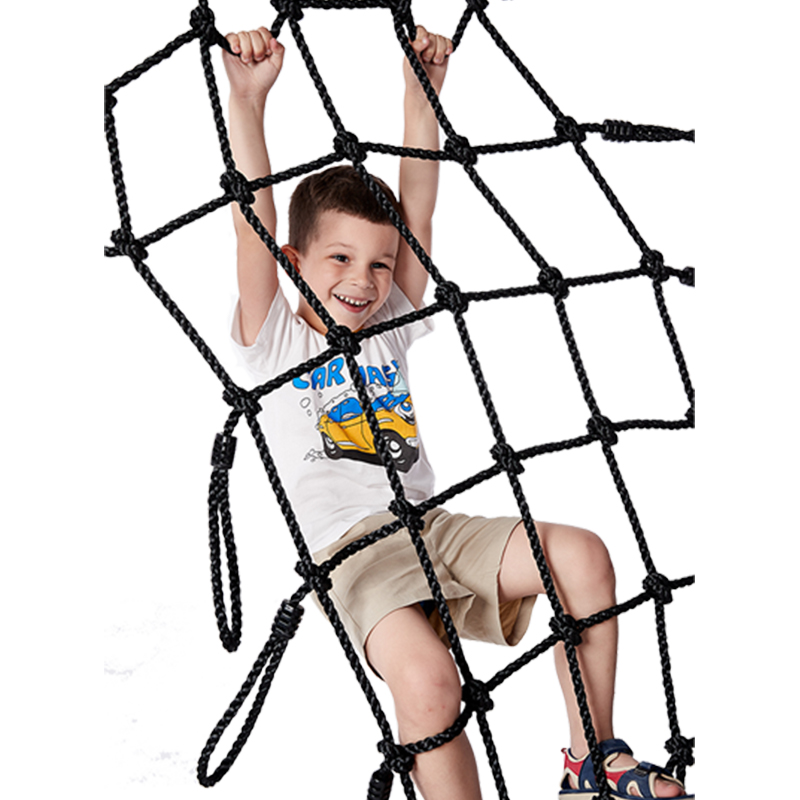
Understanding the Core Components of Kids' Climbing Systems
Before diving into the specifics of Climbing Rope & Ladder & Stones, it’s important to break down the essential elements that define a high-quality climbing system for children. Unlike generic play equipment, climbing systems need to address three critical areas: material safety, structural durability, and developmental value. Each component—ropes, ladders, stones, and metal hardware—plays a unique role in meeting these requirements, and understanding their design choices is key to evaluating their suitability for different settings.
Exploring the Materials: What Goes Into Safe Climbing Equipment?
One of the most frequently asked questions about kids’ climbing systems is, “What materials are used, and are they safe?” The answer lies in the careful selection of materials that balance performance with child safety, as well as resistance to environmental wear and tear. Climbing Rope & Ladder & Stones prioritize eco-friendly and durable materials across all components, ensuring that the equipment can withstand regular use while minimizing risks to children’s health and the environment.
Climbing Rope components are crafted from anti-slip PE/polyester blends, a choice driven by two key factors: grip and longevity. PE (polyethylene) is known for its resistance to moisture and UV rays, while polyester adds strength and flexibility—critical for a rope that needs to support weight without fraying or becoming slippery when wet. The anti-slip texture is especially important for young climbers, who may not have fully developed grip strength, as it reduces the risk of slips and falls during play. Additionally, the UV resistance ensures that the ropes do not degrade, fade, or become brittle when exposed to sunlight over time—a common issue with lower-quality synthetic ropes that can compromise safety.
The ladder components of the system use anti-corrosion hardwood, specifically birch or beech wood. Hardwood is a natural choice for ladders due to its sturdiness, but untreated wood can warp, rot, or develop splinters when exposed to rain, humidity, or temperature changes. The anti-corrosion treatment applied to these ladders creates a protective barrier against moisture and pests, extending the lifespan of the wood while keeping it smooth and safe for little hands and feet. Birch and beech are also sustainable hardwood options, aligning with the eco-friendly design principles of the entire system, as they are sourced from responsibly managed forests.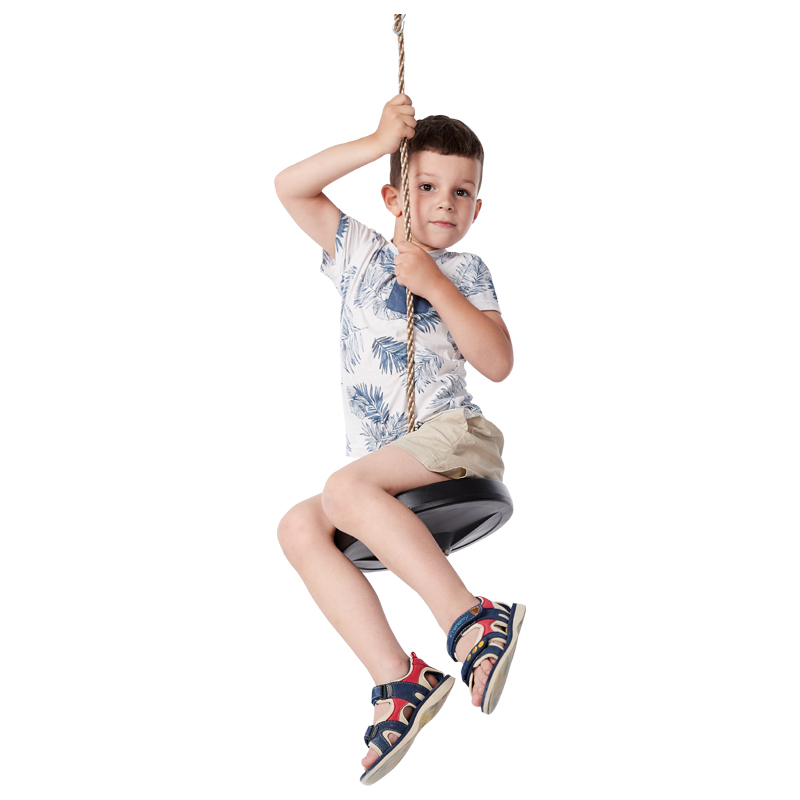
Climbing stones, another core component, are made from seamless PP (polypropylene) with rounded edges and grip textures. PP is a lightweight yet durable plastic that is free from harmful chemicals, making it safe for children to handle. The seamless design eliminates sharp seams or edges that could cause cuts or scrapes, while the rounded edges further reduce the risk of injury during falls or collisions—an important safety feature for active play. The grip textures on the stones mimic natural rock surfaces, providing just enough traction for kids to climb confidently without being overly abrasive on their skin. Unlike some plastic climbing stones that crack or fade over time, PP is resistant to impact and UV damage, ensuring the stones remain functional and safe for years.
All metal parts of the Climbing Rope & Ladder & Stones system are coated with a rust-proof layer, addressing a common concern about outdoor metal equipment: corrosion. Metal hardware, such as brackets, bolts, and connectors, is essential for holding the system together, but rust can weaken these parts over time, leading to structural instability. The rust-proof coating acts as a shield against rain, snow, and humidity, preserving the integrity of the metal components and ensuring the entire system remains stable and secure for ongoing use.
| Component | Material | Key Features | Benefits for Kids & Use |
|---|---|---|---|
| Climbing Rope | Anti-slip PE/polyester blend | UV resistance, anti-slip texture, flexibility, strength | Secure grip for young climbers, resistance to sun/water damage, long lifespan |
| Ladders | Anti-corrosion hardwood (birch/beech) | Moisture resistance, splinter-free surface, sturdiness | Stable climbing surface, eco-friendly sourcing, no sharp edges |
| Stones | Seamless PP | Rounded edges, grip textures, impact resistance | Minimized injury risk, durable for rough play, chemical-free |
| Metal Parts | Rust-proof coated metal | Corrosion resistance, structural strength | Long-term stability, safe load-bearing capacity |
Safety Certifications: What Do EN71 and ASTM Standards Mean?
Another common question from parents and facility managers is, “How do I know this climbing equipment is safe for my kids?” Safety certifications are a critical indicator of a product’s adherence to global safety standards, and Climbing Rope & Ladder & Stones are certified to both EN71 and ASTM standards—two of the most recognized benchmarks for children’s play equipment worldwide.
EN71 is a set of European standards that cover the safety of toys and play equipment, with specific focus on mechanical and physical properties, flammability, and chemical composition. For climbing equipment, EN71 ensures that components do not have small parts that could pose a choking hazard, that edges and surfaces are smooth to prevent injury, and that materials do not contain harmful substances such as lead, phthalates, or heavy metals. Compliance with EN71 means the product has been tested to withstand the kind of use (and misuse) typical of children’s play, including impact tests, load-bearing tests, and wear tests.
ASTM International (formerly the American Society for Testing and Materials) sets standards for a wide range of products, including playground equipment in the United States and many other countries. ASTM standards for climbing equipment focus on structural integrity, fall height limits, and surface safety—ensuring that the equipment can support the weight of multiple children at once, that fall zones are designed to minimize injury, and that all contact surfaces are safe for prolonged use. For backyard, kindergarten, and playground settings, compliance with both EN71 and ASTM means the product meets the safety requirements of both European and North American markets, making it a versatile choice for international use.
These certifications are not just formalities; they provide peace of mind to parents and educators who want to ensure that the equipment they choose does not pose unnecessary risks to children. The fact that Climbing Rope & Ladder & Stones meet both standards reflects a commitment to safety that goes beyond basic regulatory requirements, addressing the unique needs of young climbers in different environments.
Design Principles: Balancing Challenge and Safety in Kids' Climbing
While safety is non-negotiable, climbing equipment also needs to offer an appropriate level of challenge to support kids’ physical development. A common concern among parents is, “Will this climbing system be too easy (or too hard) for my child?” The eco-friendly designs of Climbing Rope & Ladder & Stones are engineered to strike a balance between challenge and safety, ensuring that kids can build strength, coordination, and confidence without being put at risk of injury.
How Design Supports Physical Development in Children
Climbing is more than just a fun activity for kids—it is a key part of their physical development, helping to build core strength, upper body strength, hand-eye coordination, and balance. However, poorly designed climbing equipment can either fail to provide enough challenge (limiting developmental benefits) or be too difficult (leading to frustration or injury). Climbing Rope & Ladder & Stones address this by tailoring the design of each component to the abilities of young children, from toddlers to pre-teens.
The Climbing Rope sections are designed with a thickness that is easy for small hands to grasp, while the anti-slip texture ensures that kids can maintain their grip even as they pull themselves up. The flexibility of the rope also adds a gentle challenge—unlike rigid ladders, ropes move slightly with the climber’s weight, requiring them to engage their core muscles to stay balanced. This subtle instability helps build proprioception (the sense of body position) and coordination, skills that are critical for overall physical development.
Hardwood ladders are spaced at a distance that is manageable for young legs, allowing kids to climb step-by-step without overreaching—a common cause of falls with adult-sized ladders. The anti-corrosion treatment keeps the rungs smooth and stable, so kids can focus on climbing rather than worrying about slippery or wobbly steps. The natural texture of the wood also provides better grip than smooth plastic, reducing the risk of slips even when the ladder is wet from rain or sweat.
Climbing stones are placed at varying heights (but within safe limits) to create a gentle progression of difficulty. The rounded edges and grip textures mean that kids can grip the stones with their hands or feet from multiple angles, encouraging them to problem-solve and adapt their movements—skills that translate to improved coordination and spatial awareness. The seamless PP material is also soft enough to minimize injury if a child bumps into it, but sturdy enough to support their weight without bending or breaking.
Beyond physical development, the design of Climbing Rope & Ladder & Stones supports social and emotional growth as well. The system is scalable, meaning it can be configured for small family play sessions (e.g., a backyard setup with a few ropes and stones) or larger group activities (e.g., a kindergarten playground with multiple ladders and stone walls). This adaptability encourages kids to play together, take turns, and support each other—building confidence and social skills alongside physical strength.
| Developmental Skill | How Climbing Rope & Ladder & Stones Supports It | Safety Features That Enable This |
|---|---|---|
| Strength (Core/Upper Body) | Flexible ropes require core engagement; sturdy stones/ladder rungs build upper body strength | Anti-slip textures prevent fatigue-related slips; weight-bearing tested components support safe movement |
| Coordination & Balance | Varying stone heights and flexible ropes require adaptive movement; ladder spacing encourages controlled steps | Rounded edges reduce injury risk during missteps; stable metal hardware prevents wobbling |
| Confidence & Problem-Solving | Progressive difficulty allows kids to set and achieve small goals; group play encourages teamwork | ASTM/EN71 certified safety ensures low injury risk; eco-friendly materials reduce health concerns |
Eco-Friendly Design: Why Sustainability Matters in Play Equipment
An increasingly common question from environmentally conscious parents and facilities is, “Is this climbing equipment eco-friendly?” The answer is yes—Climbing Rope & Ladder & Stones are designed with sustainability in mind, from material selection to long-term durability.
Eco-friendly design in play equipment has two key components: using sustainable materials and creating products that last (reducing waste from frequent replacements). The hardwood used in the ladders is sourced from FSC-certified forests (or equivalent sustainable sources), meaning the trees are replanted to maintain forest health. PE/polyester ropes and PP stones are made from recyclable plastics, and the rust-proof coating on metal parts is free from harmful solvents that can leach into the environment. Additionally, the durable design of all components means the system has a long lifespan—reducing the need for frequent replacements and the associated waste of manufacturing new equipment.
For outdoor settings like backyards and playgrounds, eco-friendly materials also mean less impact on the surrounding environment. The UV-resistant ropes and anti-corrosion wood do not release harmful chemicals into the soil or water when exposed to rain, and the PP stones are non-toxic if they come into contact with plants or wildlife. This makes Climbing Rope & Ladder & Stones a responsible choice for green spaces, aligning with the growing trend of sustainable outdoor play.
Practical Applications: Where Can Climbing Rope & Ladder & Stones Be Used?
Many buyers ask, “What settings are these climbing systems suitable for?” Climbing Rope & Ladder & Stones are designed to be versatile, making them a good fit for a range of environments—from private backyards to public kindergartens and commercial playgrounds. The key to their versatility is their modular design (allowing customization for different spaces) and compliance with safety standards that apply to both residential and commercial use.
Backyard Use: Safe Play for Family Time
For families looking to create an engaging outdoor play space at home, Climbing Rope & Ladder & Stones offer a safe and durable option that can be tailored to the size of the backyard. The modular components mean parents can start with a small setup (e.g., a single Climbing Rope and a few stones) and add more elements as their kids grow. The safety certifications ensure that even in a residential setting, the equipment meets the same standards as commercial playgrounds, giving parents peace of mind while their kids play.
Family play is a key benefit of backyard climbing systems. Climbing Rope & Ladder & Stones encourage parents to join in, whether by helping younger kids climb the ladder or challenging older kids to a friendly race up the rope. This quality time not only strengthens family bonds but also allows parents to supervise play and teach kids safe climbing habits—such as testing holds before putting weight on them and avoiding overreaching.
Kindergarten and Preschool Use: Supporting Group Play and Development
Kindergartens and preschools require play equipment that can withstand frequent use by multiple children while supporting early childhood development. Climbing Rope & Ladder & Stones are well-suited for these settings, as they are designed to accommodate group play and align with early learning goals for physical development.
Teachers can use the climbing system to organize structured activities—such as obstacle courses that incorporate the ladder, rope, and stones—to build strength and coordination in a fun, group setting. The safe design means teachers can focus on guiding kids rather than worrying about injuries, and the durable materials hold up to daily use by dozens of children. Additionally, the eco-friendly design aligns with many kindergartens’ focus on teaching sustainability to young kids, as teachers can explain why the materials are chosen for their environmental benefits.
Public Playground Use: Durability for High Traffic Areas
Public playgrounds face the highest demand for durability, as they are used by hundreds of kids of different ages every day. Climbing Rope & Ladder & Stones are built to withstand this level of use, with rust-proof metal parts, UV-resistant ropes, and anti-corrosion wood that hold up to constant exposure to the elements and rough play.
The safety certifications are especially important for public spaces, where equipment must meet strict regulatory standards to protect children and reduce liability for park managers. The rounded edges on the stones, anti-slip ropes, and stable ladders minimize the risk of injury, even in high-traffic environments where supervision may be limited. Additionally, the modular design allows park managers to customize the setup to fit the size of the playground and the needs of the community—whether adding multiple climbing stations or integrating the system with other play equipment like slides or swings.
Common Questions and Practical Considerations for Buyers
To help buyers make informed decisions, we’ve compiled answers to some of the most frequently asked questions about Climbing Rope & Ladder & Stones, covering maintenance, installation, and suitability for different age groups.
What Age Range Is This Climbing System Suitable For?
Climbing Rope & Ladder & Stones are designed for children aged 3 to 12 years, with adjustments possible for different age groups. For toddlers (3-5 years), the system can be configured with lower stone heights and shorter ropes to match their limited reach and strength. For older kids (6-12 years), the setup can be adjusted to include higher stones and longer ropes to provide a greater challenge. The key is that all configurations maintain the core safety features—rounded edges, anti-slip textures, and stable hardware—to ensure suitability for each age group.
How Much Maintenance Does the Climbing System Require?
One of the benefits of Climbing Rope & Ladder & Stones is that they require minimal maintenance, thanks to the durable materials used. For routine care:
- Ropes: Wipe down with a mild soap and water solution periodically to remove dirt; inspect for fraying every 3-6 months (the UV resistance means they do not need special treatments for sun exposure).
- Ladders: Check the anti-corrosion coating annually; sand any small splinters (if they appear) and reapply a non-toxic wood sealer to maintain protection.
- Stones: Clean with water and a soft brush to remove dirt from grip textures; inspect for cracks (PP is impact-resistant, so cracks are rare).
- Metal Parts: Wipe down with a dry cloth to remove moisture; the rust-proof coating means no additional treatment is needed unless the coating is scratched (in which case a touch-up with rust-proof paint is recommended).
Is Professional Installation Required?
For residential backyard use, Climbing Rope & Ladder & Stones can be installed by homeowners with basic DIY skills, as the system comes with clear instructions and all necessary hardware. For commercial settings (kindergartens, public playgrounds), professional installation is recommended to ensure compliance with local safety codes and to guarantee the system is anchored securely to the ground (critical for high-traffic use). Professional installers can also customize the setup to fit the unique layout of the space and ensure fall zones are properly configured (e.g., adding rubber mulch or turf under the climbing system to minimize injury risk).
How Does This Climbing System Compare to Plastic Alternatives?
Plastic climbing equipment is common, but it often lacks the durability and developmental benefits of Climbing Rope & Ladder & Stones. Plastic can become brittle in extreme temperatures (cracking in cold weather or warping in hot weather), and smooth plastic surfaces offer less grip than the anti-slip ropes and textured stones of this system. Additionally, plastic is often made from non-recyclable materials, while Climbing Rope & Ladder & Stones use a mix of sustainable hardwood and recyclable plastics. The natural materials also provide a more sensory-rich play experience for kids, as they can feel the texture of the wood and rope—something that plastic cannot replicate.
Conclusion: A Safe, Durable Choice for Kids' Active Play
Climbing Rope & Ladder & Stones address the most pressing questions parents, educators, and facility managers have about kids’ climbing systems: Are they safe? Are they durable? Do they support development? Are they eco-friendly? By prioritizing high-quality, sustainable materials, adhering to global safety standards, and balancing challenge with safety in design, this climbing system offers a versatile and reliable option for a range of settings—from backyards to kindergartens to public playgrounds.
Beyond the physical benefits (strength, coordination, balance), Climbing Rope & Ladder & Stones foster social and emotional growth by encouraging family play and group activities, helping kids build confidence and teamwork skills through structured adventure. The eco-friendly design also sets an example for sustainable play, teaching kids the importance of caring for the environment while they play.
For anyone looking to invest in a climbing system that will grow with kids, stand the test of time, and prioritize safety above all else, Climbing Rope & Ladder & Stones are a thoughtful choice that meets both practical and developmental needs. Whether for a small backyard setup or a large public playground, this system proves that safe, durable, and eco-friendly play equipment can also be fun and engaging for kids of all ages.
Key Considerations for Buyers
- Material safety and certifications (EN71/ASTM) are non-negotiable for kids’ play equipment.
- Durable, eco-friendly materials reduce long-term maintenance and environmental impact.
- Modular design allows customization for different spaces and age groups.
- Balance of challenge and safety supports physical, social, and emotional development.