 Eng
Eng
 Español
 عربى
عربى Deutsch
 русский
 Français
Content
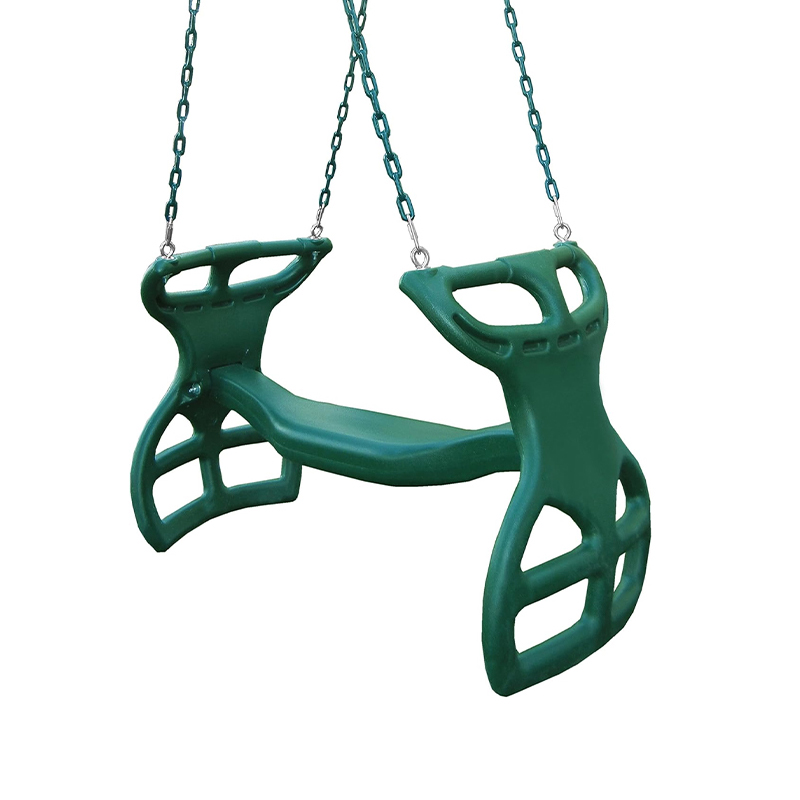
Swing seats and swing chairs offer real benefits for babies, including soothing rhythmic motion that can help calm fussiness, a safe contained space that gives caregivers a brief hands free moment, and in some designs, gentle sensory stimulation that supports early vestibular development, provided the product is age appropriate and use is kept within reasonable time limits. A well designed option such as Swing Seats & Swing Chairs can offer these benefits while maintaining the structural support and restraint needed to keep a baby secure during use.
The sections below explore each of these benefits in more detail, along with practical guidance on how to gain the advantages of swing use without relying on it excessively.
Soothing and Calming Effects of Rhythmic Motion
One of the most widely recognized benefits of swing seats is their ability to help calm a fussy or overstimulated baby through gentle, repetitive movement.
Why Rhythmic Motion Is Calming
Repetitive rocking or swinging motion mimics the movement babies experienced in the womb, which is commonly cited in general infant development literature as a reason swinging motion can have a soothing effect on newborns and young infants. This gentle, predictable movement can help settle a baby who is overtired or overstimulated, particularly during transitional periods of the day.
Support During Fussy Periods
Many caregivers use swing seats specifically during common fussy periods, such as late afternoon or early evening stretches when babies are more prone to crying, since the consistent motion can provide a calming alternative to constant holding or rocking by hand.
Practical Benefits for Caregivers
Beyond the direct benefit to the baby, swing seats also provide practical support for parents and caregivers managing daily routines.
- Provides a safe, contained space to place a baby for a few minutes during household tasks
- Allows a caregiver to eat a meal or attend briefly to another child while the baby is safely seated nearby
- Offers a portable option for outdoor use, allowing babies to be included in family time outside
- Gives caregivers a brief physical break from constant holding, particularly helpful during recovery periods after childbirth
These practical benefits are frequently mentioned in general parenting guidance as a reason swing seats remain a popular piece of baby equipment, particularly during the newborn and early infant stages when babies require near constant attention.
Sensory and Developmental Considerations
Swinging motion also offers some developmental value related to a baby's sense of balance and spatial awareness, though this benefit works best in moderation alongside other forms of movement and play.
Vestibular System Stimulation
The vestibular system, responsible for balance and spatial orientation, begins developing early in infancy, and gentle motion experiences like swinging are commonly referenced in general child development resources as one of several inputs that support this system alongside activities like being carried, rocked, or engaged in tummy time.
Visual Tracking and Engagement
Many swing seats include hanging toys, mobiles, or visual elements that encourage a baby to track movement with their eyes, which can support early visual development when the baby is alert and engaged rather than sleepy or overstimulated.
Balancing Swing Time With Other Developmental Activities
While swing seats offer genuine benefits, general pediatric development guidance consistently emphasizes that babies also need varied movement experiences that a stationary swing cannot provide on its own.
| Activity Type | Developmental Benefit |
| Swing seat time | Soothing motion, brief containment, visual engagement |
| Tummy time | Builds neck, shoulder, and core strength |
| Free floor play | Encourages independent movement and reaching |
| Being held or carried | Supports bonding and responsive movement |
Rotating between these different activity types throughout the day, rather than relying heavily on any single one, is generally recommended in early childhood development guidance to support balanced physical and sensory development.
Recommended Time Limits to Maximize Benefits
To gain the calming and practical benefits of a swing seat without over relying on it, general infant equipment guidance suggests keeping sessions reasonably short.
- Use swing sessions in short intervals rather than as an extended default resting spot
- Follow swing time with floor based play or tummy time to balance movement types
- Reserve swing use for specific moments, such as fussy periods or brief caregiver tasks, rather than continuous all day use
Used this way, a swing seat becomes one helpful tool among several in a caregiver's daily routine, rather than a substitute for the varied movement and interaction babies benefit from throughout the day.
Choosing a Swing Seat That Supports These Benefits
To get the most benefit from a swing seat, choosing a product with adjustable motion settings, comfortable padded support, and engaging visual elements can enhance both the soothing and sensory value it provides. Reviewing options such as Swing Seats & Swing Chairs for features like motion speed control and secure seating support can help caregivers select a product that offers meaningful benefit during everyday use.
Summary
Swing seats and swing chairs can genuinely benefit babies by offering soothing rhythmic motion, a safe space for brief caregiver breaks, and mild sensory stimulation that supports early balance and visual development. These benefits are best realized when swing time is used in moderation and balanced with other developmental activities like tummy time and free play, allowing babies to gain the calming advantages of the swing while still experiencing the varied movement their development depends on.