 Eng
Eng
 Español
 عربى
عربى Deutsch
 русский
 Français
Content
Swing seats and swing chairs can be safe for babies when the product is age and weight appropriate, includes proper harness restraints, is used under direct adult supervision, and is installed or operated according to the manufacturer's instructions. Safety depends heavily on matching the specific product to the baby's developmental stage, since an infant without full head and neck control needs a different design than a toddler who can sit independently. A properly designed product such as Swing Seats & Swing Chairs that includes secure harness systems and stable frame construction reduces many of the common risks associated with swing use for young children.
The sections below cover age guidelines, key safety features to look for, supervision requirements, and common mistakes that reduce swing safety for babies.
Age and Developmental Guidelines for Swing Use
The single biggest factor in swing safety is whether the baby has reached the developmental stage the product was designed for.
Head and Neck Control Requirements
General child product safety guidance commonly recommends that babies have reliable head and neck control, typically developing between four and six months of age, before using swings that involve any degree of independent seating or motion, since infants without this control cannot stabilize their head against swinging movement.
Indoor Baby Swings vs Outdoor Swing Seats
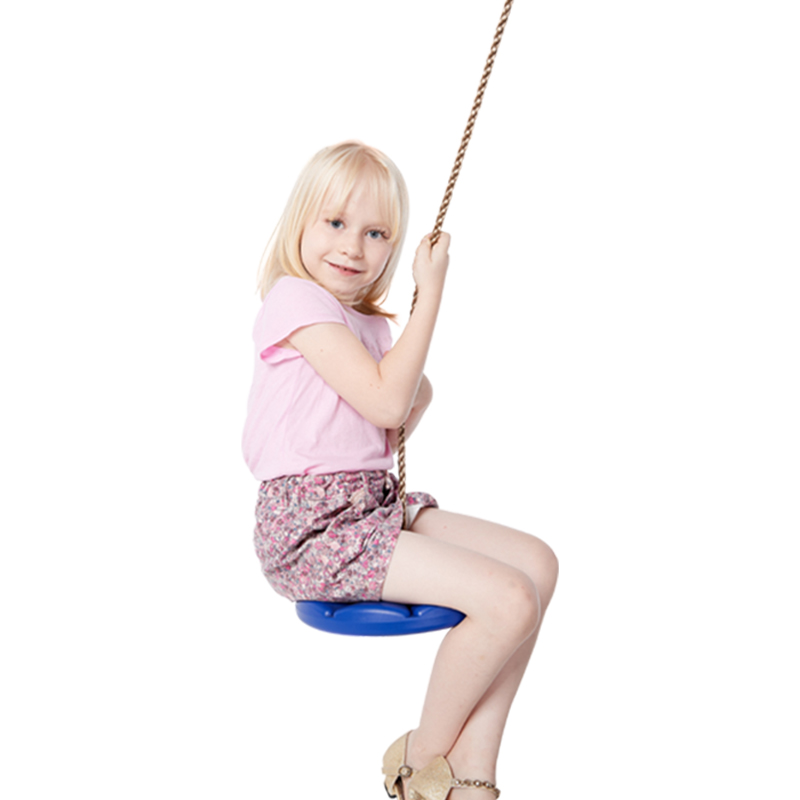
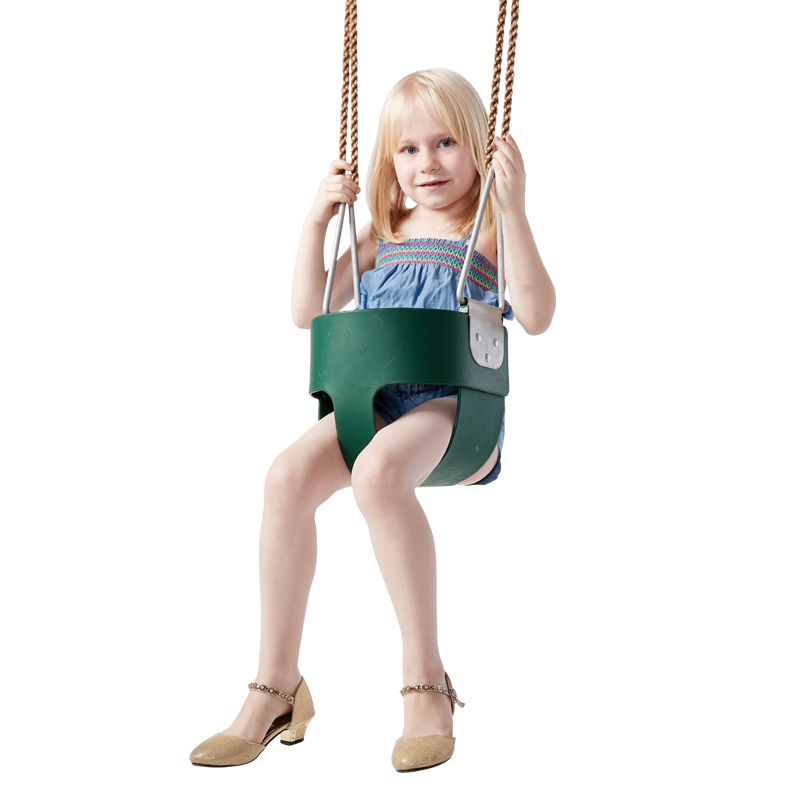
Indoor baby swings designed for infants usually include reclined seating and full body support suitable for younger babies under supervision, while outdoor swing seats intended for playground style use are generally designed for babies who can sit upright independently, often starting around nine months to one year depending on the specific product design.
Key Safety Features to Look For
Not all swing seats and swing chairs offer the same level of protection, and checking for specific safety features helps distinguish a well designed product from a basic one.
| Safety Feature | Why It Matters |
| Five point harness | Secures shoulders, hips, and between the legs |
| High back and side support | Prevents slumping and lateral movement |
| Non slip leg openings | Reduces risk of sliding through the seat |
| Sturdy frame construction | Prevents tipping or structural failure during use |
| Weight limit labeling | Confirms the product matches the child's size |
A five point harness in particular is widely regarded as offering significantly better restraint than a simple lap belt, since it prevents the baby from slipping down or sideways out of the seat during motion.
Supervision and Usage Practices That Improve Safety
Even a well designed swing seat depends heavily on how it is used, since supervision and setup play a direct role in preventing accidents.
- Always stay within arm's reach of a baby using a swing, rather than relying on the harness alone
- Check that the harness is snug enough to prevent sliding, without being uncomfortably tight
- Inspect the frame, chains, or straps for wear or damage before each use
- Avoid using a swing seat on uneven ground or surfaces that could cause tipping
- Keep swing motion gentle for younger babies rather than matching the higher speeds suitable for older children
Common Mistakes That Reduce Swing Safety
Several avoidable mistakes are frequently associated with swing related injuries in general child safety guidance, and being aware of them helps reduce risk.
Using a Swing Seat Before the Baby Is Ready
Placing a baby in a swing before they have adequate head control or sitting ability, even briefly, increases the risk of the head tipping forward or sideways in a way the baby cannot correct on their own.
Leaving a Baby Unattended, Even Briefly
Stepping away from a swinging baby, even for a short moment, removes the ability to react quickly if the baby becomes distressed, slips within the harness, or the swing loses stability.
Ignoring Weight and Age Limits
Using a swing seat beyond its stated weight limit can put excess strain on the frame and harness system, increasing the risk of structural failure or reduced restraint effectiveness.
Duration Guidelines for Swing Use
Beyond harness safety, general guidance on infant equipment use also recommends limiting the total time a baby spends in a swing seat during a single sitting.
- Limit continuous swing sessions to short periods rather than extended stretches of time
- Give babies regular breaks with tummy time or free movement between swing sessions
- Avoid using a swing seat as a substitute for a crib or sleep surface during naps
Extended time in a reclined or restrained seated position is generally discouraged in pediatric development guidance, since babies benefit from varied movement and positioning throughout the day rather than prolonged time in any single piece of equipment.
Choosing a Swing Seat Appropriate for Your Baby
When selecting a swing seat or swing chair, matching the product specifications to your baby's current age, weight, and developmental stage is the most reliable way to ensure safe use. Reviewing the harness type, weight limit, and construction details of a product such as Swing Seats & Swing Chairs before purchase helps confirm it fits your child's needs rather than assuming any swing product is suitable at any age.
Summary
Swing seats and swing chairs can be safe for babies when the product matches the child's developmental stage, includes a secure harness and stable frame, and is used under close adult supervision with reasonable time limits. Paying attention to age guidelines, checking key safety features before purchase, and avoiding common usage mistakes together create the conditions needed for safe, enjoyable swing use for young children.