 Eng
 Español
 عربى
 Deutsch
 русский
 Français

Content
- 1 What Counts as a Big Slide Playground
- 2 Match Slide Size to Age and Traffic
- 3 The Exit Runout and Surfacing Decide Whether It Works
- 4 Materials and Construction Details That Affect Performance
- 5 Layout, Shade, and Supervision
- 6 Safety and Procurement Checks
- 7 Briefing a Manufacturer Without Losing the Design Intent
A big slide playground usually disappoints for a practical reason, not because the slide is not tall enough. The queue blocks the access ramp, the exit runout points toward a fence, or the plastic surface becomes uncomfortable in direct sun. For a school, park department, resort, or equipment buyer, the useful question is not only how big the slide should be, but whether the whole play setting can handle the age group, traffic, climate, and maintenance regime. The short answer: size the slide around user age and supervision, then design the entry, exit, surfacing, and surrounding play value to match. Height comes last.
What Counts as a Big Slide Playground
A big slide playground can mean a destination playground with a multi deck tower and a spiral tube slide, or a compact play area with one wide embankment slide. What makes it big is not just deck height. It is the total play sequence: how children reach the slide, how many can use it at once, how quickly they clear the exit, and how the slide fits with swings, climbing nets, play panels, and seating. A tall slide with a narrow entry and a crowded exit feels smaller and slower than a lower slide with a clear one way loop.
Use the table below as an early planning check. The right slide type depends on the site, not on the catalogue photo.
| Slide type | Typical setting | Planning check | Maintenance focus |
|---|---|---|---|
| Straight open slide | Schools, parks, resorts | Exit runout length, side barriers, handrail height | Surface wear, handrail fixings |
| Spiral or tube slide | Destination playgrounds, indoor play | Headroom, turning radius, ventilation, rescue access | Joints, fasteners, internal cleaning |
| Wide or double slide | Busy public playgrounds | Queue separation, two clear exit lanes | Edge wear, divider condition |
| Embankment slide | Hillside parks and landscape play | Slope grade, drainage, access path, entry deck | Soil erosion, entry surface |
A wide slide can move more children, but only if the queue and exit are separated. A taller tube slide adds excitement, but it also adds inspection points. The size decision should follow the operating plan, not the other way around.
Match Slide Size to Age and Traffic
For ages two to five, the slide is usually part of a compact play structure. The deck should be low, the entry should be enclosed, and the exit should allow a small child to stand up without help. Direct sightlines from the path or seating area matter more than height. A low slide with a wide platform and a short runout is often better than a tall slide that requires an adult to lift children onto the deck.
For ages five to twelve, a big slide playground can carry more height and more challenge. Spiral slides, tube slides, and wide double slides become practical because older children can manage the climb, wait their turn, and clear the exit. Even here, a tall slide needs a clear route to the top, guarded platforms, and a landing that does not push children into the next activity.
Traffic is the missing number in many plans. A single slide may be enough for a small preschool, but a public park with weekend peaks needs either a second slide or a layout that separates age groups. Watch how a child leaves the slide, then walks back to the queue. If that return path crosses a swing zone, a climbing net, or a toddler area, the slide will slow down and supervision will become harder.
A 1.2 m deck with a short straight slide feels very different from a 1.8 m deck with a spiral tube, even when both look large in a drawing. Review the whole route: steps, platform, slide entry, slide run, exit, and return path.
The Exit Runout and Surfacing Decide Whether It Works
The exit is where many big slide playground designs fail. Children leave a slide faster than adults expect, especially on warm days or with smooth clothing. The runout should be flat or slightly uphill, clear of posts, fences, and the next play event. The exit height should let a child reach the ground comfortably. For elevated slides, the use zone around the exit must stay free of obstacles, including benches, planters, and bike racks.
Surfacing is not a cosmetic choice. Loose fill needs raking and topping up. Rubber tiles need cleaning and joint checks. Poured rubber needs a stable base and drainage. Sand can migrate. Check the fall height rating of the surfacing against the slide deck and platform height, not just the slide exit. On a slope, drainage and edge retention can matter as much as the slide itself.
If the site is hot or coastal, test the slide surface in direct sun before approving the color. A dark plastic slide can become uncomfortable while a lighter color stays usable. Shade over the slide face, or over the queue, can improve comfort without changing the play value.
Materials and Construction Details That Affect Performance
Plastic slides are common on big slide playgrounds for young children because they are light, color stable when properly formulated, and easy to replace. Ask about wall thickness, UV stabilizers, and color fastness. A plastic slide can work well in humid markets, but heat buildup in direct sun is a real issue. Metal slides are durable but can become hot and need a finish that resists chipping at edges. Composite and coated options sit between the two, with their own repair needs.
For a standard modular plastic slide, this multi size kids plastic slide can be a starting point for reviewing dimensions, color, and mounting details:
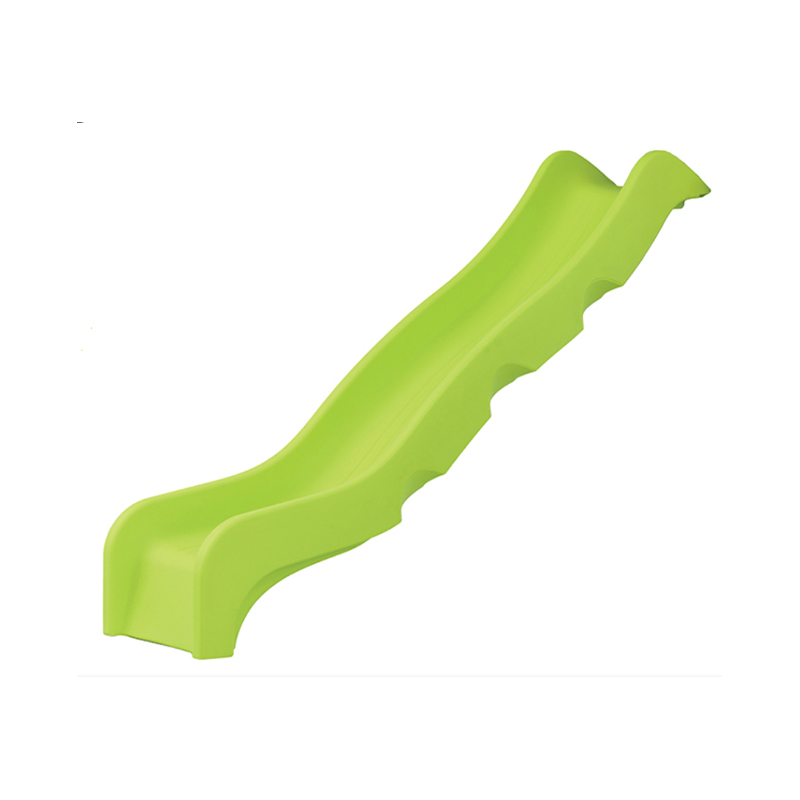 Multi-Size Kids Plastic Slide for PlaygroundsAvailable in four lengths and five colors, this HDPE slide supports up to 100 kg and helps compare dimensions and mounting details.View Product →
Confirm the slide section dimensions, mounting points, and whether the supplier can match your deck module. A slide is a wear item. The deck, guardrails, and anchor hardware should outlast it, and replacement panels should be available without rebuilding the tower.
Layout, Shade, and Supervision
Place the slide on the edge of the busy circulation route, not in the middle of it. A one way loop works well: climb, wait, slide, exit, and return without crossing the entry. Keep the queue visible from benches and paths. If the slide is the main attraction, give it enough space for a small crowd to gather without blocking the route to other equipment.
Shade is part of the layout. A slide face that faces west may be attractive in the morning and uncomfortable in the afternoon. Trees, shade sails, or a covered platform can help, but they must not create climbing opportunities or trap water. Check sightlines from the main supervision point. A big slide playground should look open and easy to read, even when it is busy.
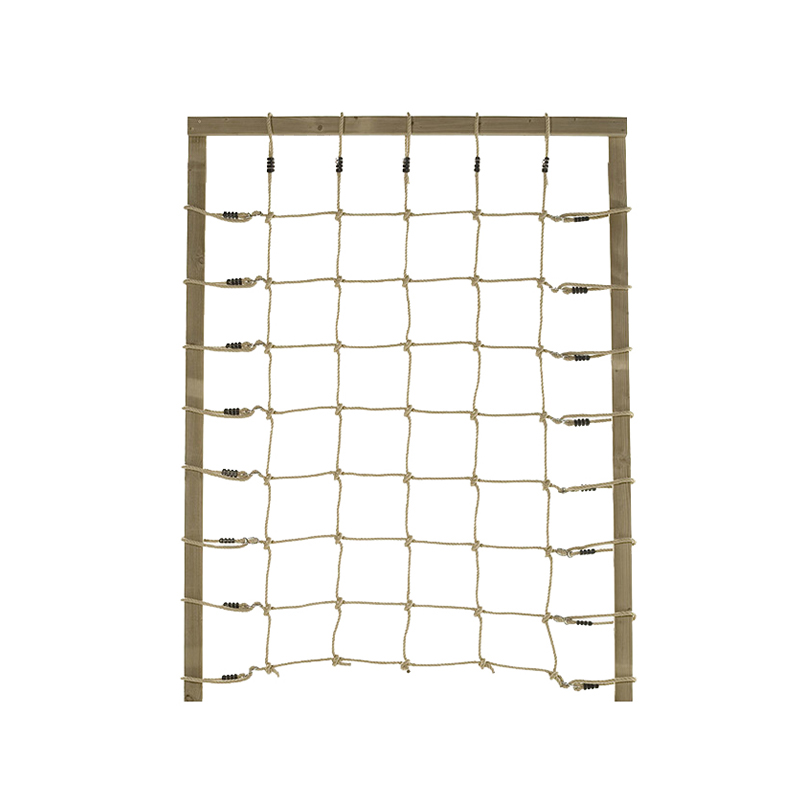
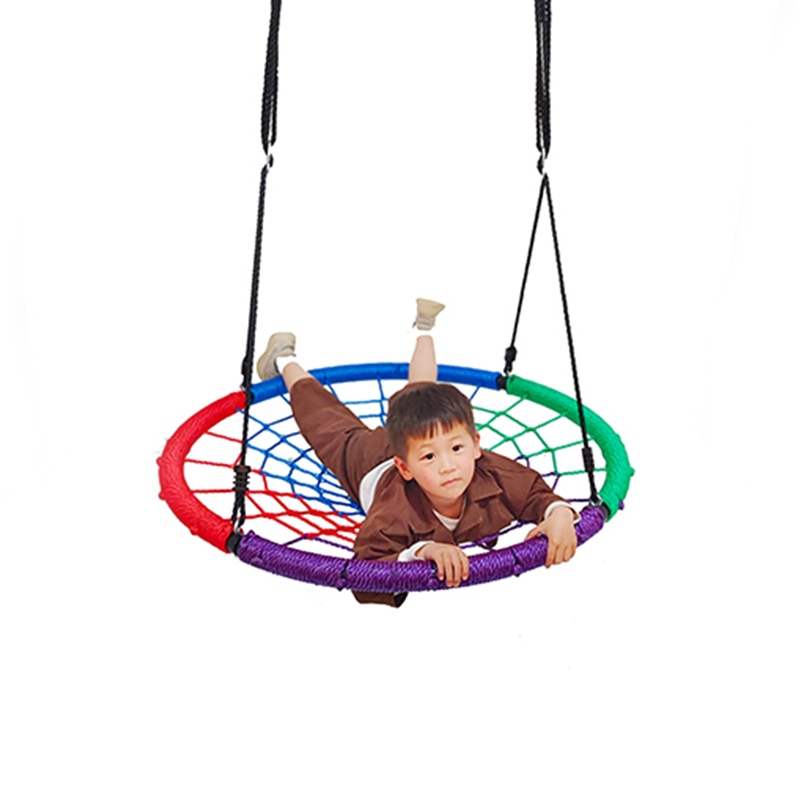
Coordinate use zones with swings, climbing nets, and play panels. The slide exit should not open into a swing lane. The climbing route should not cross under the slide. Small decisions like these reduce conflicts and make the whole playground easier to operate.
Safety and Procurement Checks
Many buyers reference ASTM F1487, EN 1176, or local codes. Ask the manufacturer which standards the design is intended to meet and request the relevant test reports, not just a logo on a page. Then check the details that reports do not cover.
- Confirm the target age group and the supervision model for the site.
- Check the use zone and surfacing depth against the fall height.
- Review access, handrails, guardrails, and platform openings.
- Ask for UV, impact, and salt spray test information where relevant.
- Confirm anchor hardware, foundation details, and installation method.
- Check spare parts, lead time, and packaging for the destination port.
- Plan inspection and maintenance before the first busy weekend.
Procurement risk often sits in the interface between parts. A slide may be well made, but the anchor bolts may be too short for the deck, or the exit may not match the surfacing plan. Ask for a simple installation drawing and a parts list with every order.
Briefing a Manufacturer Without Losing the Design Intent
A useful brief includes a plan view, target age, deck height, slide type, color direction, material preference, expected users per hour, site photos, wind or coastal exposure, and the installation method. If the project includes swings, climbing nets, or play panels, show them on the same drawing so the use zones can be checked together. A manufacturer that also produces swing hardware, climbing pieces, and play accessories can help coordinate the play sequence, but keep the slide as the design driver.
Review the plastic slide range to compare shapes and sizes, then send your site plan and target age group through the contact page. A clear brief with dimensions and photos usually produces a faster, more accurate quotation than a short message asking for a big slide playground price.
See the available plastic slide options and contact the team with your layout, quantities, and delivery market.
A big slide playground works when the slide is treated as part of a system, not a single product. Get the age group, deck height, exit runout, surfacing, and maintenance plan right, and the slide will stay busy, readable, and easier to inspect. Height can add excitement, but clear planning is what makes a big slide playground usable season after season.