 Eng
Eng
 Español
 عربى
عربى Deutsch
 русский
 Français
Content
- 1 How Plastic Grade and Manufacturing Quality Determine Baseline Lifespan
- 2 How Climate and UV Exposure Affect Plastic Slide Lifespan
- 3 How Frequency and Type of Use Impact Lifespan
- 4 Expected Lifespan by Slide Type and Setting
- 5 Signs That a Plastic Slide Is Reaching the End of Its Useful Life
- 6 Maintenance Practices That Extend Plastic Slide Lifespan
- 7 Comparing Plastic Slide Lifespan to Other Slide Materials
- 8 When to Repair vs. When to Replace a Plastic Slide
- 9 How to Maximize the Lifespan of a New Plastic Slide from Day One
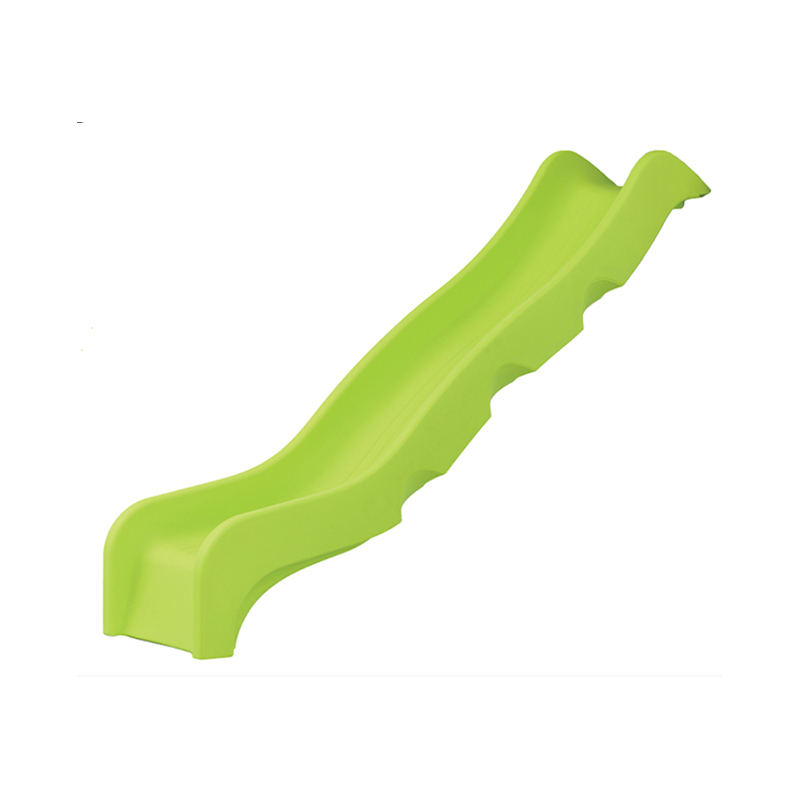
A well-made plastic slide manufactured from UV-stabilized, anti-aging high-density polyethylene (HDPE) can last 10 to 20 years under typical outdoor conditions with routine maintenance. Commercial-grade plastic slides installed in schools or public parks — where build quality is higher and inspections are more rigorous — routinely reach 15 to 20 years of safe service life. Residential backyard slides of mid-range quality generally perform well for 10 to 15 years before material degradation or structural fatigue warrants replacement.
The wide range exists because lifespan is not determined by the material alone — it is shaped by four interacting factors: the quality of the plastic and its stabilizer package, the intensity of UV exposure in the installation climate, the frequency and weight of use, and the quality of ongoing maintenance. A premium HDPE slide installed in a shaded temperate-climate backyard and cleaned annually can comfortably outlast a lower-grade slide baking under full tropical sun with no maintenance, even if both are nominally made from "polyethylene." The sections below break down exactly what drives longevity — and what shortens it.
How Plastic Grade and Manufacturing Quality Determine Baseline Lifespan
Not all plastic slides are made equal. The single most important determinant of how long a plastic slide lasts is the quality of the polymer and the additives compounded into it during manufacturing. This is an invisible characteristic — it cannot be assessed by looking at or touching the slide — which makes it essential to understand before purchasing.
HDPE Wall Thickness and Density
High-density polyethylene with a density of 0.941 to 0.965 g/cm³ offers substantially better mechanical strength and chemical resistance than lower-density polyethylene grades. Commercial playground slides are typically manufactured with wall thicknesses of 6 to 10 mm in the chute area and up to 12 to 15 mm at structural connection points. Budget residential slides may use wall thicknesses of only 3 to 4 mm — adequate for light use in shaded conditions, but prone to stress cracking and impact damage under heavier use or sustained UV exposure.
UV Stabilizer Package: The Hidden Lifespan Multiplier
Ultraviolet radiation is the primary cause of plastic degradation outdoors. UV energy breaks polymer chains, causing the material to chalk, fade, become brittle, and eventually crack under mechanical stress. The solution is a UV stabilizer package compounded into the resin — typically a combination of UV absorbers (which absorb UV energy before it reaches the polymer chains), hindered amine light stabilizers (HALS, which interrupt the chain-breaking chemical reactions), and antioxidants (which prevent thermal and oxidative degradation).
The concentration and quality of this stabilizer package determines how many years of UV exposure the plastic can withstand before significant degradation occurs. Premium commercial HDPE playground material is formulated to maintain at least 50% of its original tensile strength after 10,000 hours of accelerated UV weathering — roughly equivalent to 15 to 20 years of outdoor exposure in a temperate climate. Budget-grade plastic without adequate stabilization may begin showing surface brittleness and color fading within 3 to 5 years.
Pigment selection also matters: carbon black is the most effective UV-absorbing pigment and significantly extends the lifespan of black components. Bright colors (yellows, reds, oranges) require more sophisticated stabilizer packages to achieve equivalent longevity, which is why color-retention over time is a useful proxy indicator of overall material quality in plastic playground equipment.
One-Piece Seamless Molding vs. Multi-Part Assembly
High-quality plastic slides are manufactured as seamless one-piece chutes using rotational molding or blow molding. This eliminates mechanical joints, seams, and fasteners within the sliding surface — all of which are stress concentration points where cracking typically initiates first. Multi-part slides assembled from panels or sections joined by screws or rivets introduce potential failure points at every connection, particularly if dissimilar materials (plastic + metal fasteners) are used in a thermal cycling environment where differential expansion and contraction occurs with every day-night temperature cycle. Seamless HDPE slides consistently outlast equivalent assembled alternatives by 3 to 5 years in the same installation conditions.
How Climate and UV Exposure Affect Plastic Slide Lifespan
Climate is the external factor with the greatest impact on how long a plastic slide lasts. The same slide installed in two different geographic locations can have service lives that differ by 5 to 8 years — not because of anything the owner does or does not do, but because of the fundamentally different UV load, temperature range, and moisture exposure in each location.
UV Index and Geographic Location
The UV index — a measure of the intensity of ultraviolet radiation at ground level — varies dramatically by latitude, altitude, and season. At the equator and in high-altitude tropical climates, UV indices of 11 to 14 are common at midday, meaning the UV dose absorbed by an outdoor plastic slide can be 3 to 4 times higher per year than in northern European or northern US locations where UV indices rarely exceed 6 to 8. The practical consequence is that a slide rated for 15 years of service life in a temperate climate may show equivalent degradation after only 8 to 10 years in a tropical or subtropical installation.
Temperature Extremes and Thermal Cycling
HDPE becomes more brittle at low temperatures — its impact strength decreases significantly below −10°C — making plastic slides in cold climates more susceptible to cracking from impact damage during winter months, particularly in the early years before children naturally avoid frozen equipment. Conversely, in hot climates, sustained surface temperatures on a sun-exposed slide can reach 60°C to 70°C on the chute surface in summer, softening the plastic and potentially causing deformation under the weight of a child or when objects are placed on it. Daily thermal cycling between these temperature extremes — heating and cooling by 30°C or more each day — causes slow fatigue of the polymer structure that reduces long-term strength even in the absence of UV damage.
Shade and Orientation: The Single Biggest Controllable Factor
Of all installation decisions, the presence or absence of shade has the most dramatic effect on plastic slide lifespan. A slide installed under a tree canopy that provides 40 to 60% shade coverage receives substantially less UV dose per year than a slide in full sun, effectively extending its service life by 3 to 7 years in equivalent conditions. East-facing installations in the northern hemisphere receive intense morning sun; west-facing slides receive hot afternoon sun — the more damaging exposure because afternoon UV combines with peak daily temperatures. Where possible, orienting the slide to face north (in the northern hemisphere) minimizes combined UV and thermal stress.
Moisture, Algae, and Biological Growth
In humid climates, algae and moss readily colonize the slightly roughened surface of aged HDPE plastic, particularly on the less-frequently used upper platform and ladder areas. While biological growth does not directly degrade the plastic polymer, it holds moisture against the surface and can accelerate oxidative aging at the surface layer. Algae also creates slippery surfaces on steps and platforms, creating a safety hazard independent of the structural condition of the slide. Regular cleaning in humid climates — at minimum twice yearly, and more frequently in tropical environments — is therefore not cosmetic but genuinely contributes to both safety and material longevity.
How Frequency and Type of Use Impact Lifespan
A plastic slide in a home backyard used by two children on weekends experiences a fundamentally different mechanical loading history than the same model installed in a school playground used by 200 children per day. Use intensity is the primary driver of mechanical wear and structural fatigue, and understanding it helps set realistic expectations for service life in different contexts.
Residential vs. Commercial Use Intensity
A typical residential slide may see 3 to 10 child-uses per day during active periods, accumulating perhaps 1,000 to 3,000 uses per year. A school playground slide, by contrast, may see 50 to 150 uses per day during recess periods, accumulating 10,000 to 25,000 uses per year — roughly 10 times the mechanical loading of a residential unit. This is why commercial-grade slides are engineered to higher specifications than residential equivalents, with thicker walls, more robust support structures, and load ratings designed for this intensity. Using a residential-grade slide in a high-traffic commercial setting is both a safety risk and a cause of dramatically shortened service life.
Dynamic Load Capacity and User Weight
Premium plastic slides are engineered with a dynamic load capacity of 150 kg (330 lbs), reflecting the combined weight and impact forces of a child in motion. This rating is determined by load testing under standards such as EN 1176 or ASTM F1487, where the structure must withstand specified test loads without permanent deformation or failure. Consistently operating a slide at or near its rated load — for example, when older, heavier children use a slide designed for younger, lighter children — accelerates fatigue of the chute surface, side rails, and connection hardware, shortening service life.
Abrasive Wear from Clothing and Objects
Every child who slides down wears the chute surface very slightly. Rough denim, metal buttons, belt buckles, and objects carried in pockets all act as abrasives against the HDPE surface. Over thousands of uses, this creates measurable surface wear, particularly in the central track of the chute where most sliding occurs. The worn area becomes rougher at a microscopic level, which paradoxically reduces sliding speed — an early indicator that a high-use slide is aging. This type of wear is entirely normal and does not in itself constitute a safety concern, but it is a useful measure of cumulative use.
Expected Lifespan by Slide Type and Setting
The following table summarizes realistic service life expectations across different slide types, quality grades, and installation environments, incorporating the effects of material quality, climate, and use intensity:
| Slide Type / Setting | Material Grade | Climate | Expected Lifespan | Primary Limiting Factor |
|---|---|---|---|---|
| Home backyard (budget) | Basic PE | Temperate | 5 – 8 years | UV degradation, surface brittleness |
| Home backyard (mid-range) | UV-stabilized HDPE | Temperate | 10 – 15 years | Color fade, minor surface wear |
| Home backyard (premium) | Premium HDPE + HALS | Temperate | 15 – 20 years | Structural fatigue (very long term) |
| Home backyard (any grade) | Any | Tropical / high UV | 5 – 12 years | Accelerated UV and thermal degradation |
| School / public playground | Commercial HDPE | Temperate | 15 – 20 years | Surface wear, hardware fatigue |
| School / public playground | Commercial HDPE | Tropical / high UV | 10 – 15 years | UV exposure + high use intensity |
| Indoor play center | PP or ABS | Indoor (no UV) | 12 – 18 years | Mechanical wear, impact damage |
Signs That a Plastic Slide Is Reaching the End of Its Useful Life
Knowing what to look for allows parents, school staff, and playground managers to identify when a slide is genuinely approaching the point where replacement is necessary — as opposed to simply showing normal cosmetic wear. The distinction matters both for safety and for avoiding unnecessary premature replacement.
Surface Chalking and Deep Color Fading
Chalking — a white powdery film that appears on the plastic surface — is one of the earliest visible signs of UV degradation. It results from the breakdown of the polymer surface layer and the migration of degradation products to the surface. Mild chalking that wipes off is cosmetic and does not indicate structural compromise. Deep chalking that exposes a lighter-colored subsurface layer, combined with significant color fading, indicates that the UV stabilizer package has been substantially consumed and that the underlying polymer is now being degraded at a faster rate. At this stage, the timeline to structural brittleness has shortened considerably.
Surface Brittleness and Hairline Cracking
When UV-degraded HDPE is flexed — for example, if the slide chute deflects slightly under a child's weight — the embrittled surface layer may develop hairline cracks visible on close inspection. These micro-cracks are stress concentration points that can propagate rapidly under repeated loading, particularly in cold weather when HDPE impact strength is further reduced. Any visible cracking on a slide surface — however fine — requires immediate assessment and typically warrants withdrawal from service until professional inspection is completed. Hairline cracks are non-repairable in the field and are a reliable end-of-life indicator.
Structural Deformation and Warping
Long-term heat exposure, combined with cyclic loading, can cause gradual permanent deformation of the slide chute — particularly at unsupported sections. Visible warping, twisting, or sagging of the chute indicates that the HDPE has undergone creep deformation. This is more common in lower-density or thinner-walled slides in hot climates, and it affects both the sliding experience and the structural integrity of the component. Deformation that creates ridges or lips on the sliding surface, or that compromises the alignment of the chute with the landing zone, is a safety concern that warrants replacement.
Worn or Damaged Non-Slip Surfaces on Steps
The non-slip texture on ladder steps and platform decking is one of the highest-wear areas of any plastic slide. Repeated foot traffic gradually wears down the raised grip features, reducing their effectiveness — particularly when wet. When the step surface becomes noticeably smooth and slippery under wet conditions, the slip hazard is real and immediate, regardless of the overall structural condition of the slide. In some designs, worn step inserts can be replaced independently; in others, the entire ladder section must be renewed.
Loose or Corroded Hardware and Connection Points
Even if the plastic chute remains in good condition, the metal hardware that connects the slide to its support structure — bolts, nuts, washers, and anchor fixings — may corrode or fatigue over time. Loose connections allow the slide to shift under loading, creating dynamic stress concentrations at the connection points and eventually causing the plastic around bolt holes to crack. All hardware should be checked at each annual inspection, and any corroded fasteners replaced with equivalent stainless steel hardware to restore original structural integrity.
Maintenance Practices That Extend Plastic Slide Lifespan
The difference between a plastic slide lasting 8 years and the same slide lasting 15 years is often the maintenance it receives. These are not complex or expensive interventions — they are straightforward practices that any homeowner or facility manager can implement.
Regular Cleaning: Frequency and Method
The slide surface should be cleaned with mild soap and water at least twice per year — more frequently in humid climates where algae growth occurs, or in high-use commercial settings. Biological growth (algae, moss, lichen) holds moisture against the surface and can introduce acidic metabolic products that slowly attack the polymer surface. For established biological growth, a dilute solution of no more than 1% sodium hypochlorite (bleach) applied with a soft brush, followed by thorough rinsing, is effective and safe for HDPE. Harsh abrasive pads, pressure washing at close range, or concentrated chemical cleaners should be avoided as they damage the UV-protective surface layer and accelerate degradation.
UV Protectant Application
In high UV environments, applying a UV protectant spray formulated for polyethylene surfaces — typically containing UV absorbers and antioxidants in a wax or silicone carrier — can supplement the built-in stabilizer package and extend surface life. These products are available from playground equipment suppliers and are most effective when applied to clean, dry surfaces. Annual application in high-UV climates can extend the surface appearance and integrity of HDPE slides by 2 to 4 years beyond what the built-in stabilizer package alone would provide. This is a low-cost intervention with a meaningful return in extended equipment life.
Seasonal Storage or Covering
For residential slides in climates with harsh winters or intense summer UV, covering the slide with a UV-opaque tarpaulin or fabric cover during periods of non-use significantly reduces cumulative UV exposure. A cover that provides 90% or greater UV blockage effectively eliminates UV degradation during the covered period. For a slide used seasonally (e.g., only during summer months in a northern climate), covering for the 6 months of winter and early spring can effectively halve the annual UV dose — extending service life by years over the equipment's lifetime without any modification to the slide itself.
Annual Inspection and Hardware Maintenance
Once per year — ideally in spring before the main play season begins — conduct a systematic inspection using the following checklist:
- Visually inspect the entire chute surface for cracks, splits, deformation, or surface roughness changes that suggest subsurface degradation.
- Check all steps and platform surfaces for grip texture wear. Run a wet hand over each step — if it feels smooth and slippery, grip has been lost.
- Test all handrails for stability — they should not flex, wobble, or move when a firm lateral force is applied.
- Inspect all visible bolts and nuts for corrosion or loosening. Tighten any loose hardware to manufacturer-specified torque values.
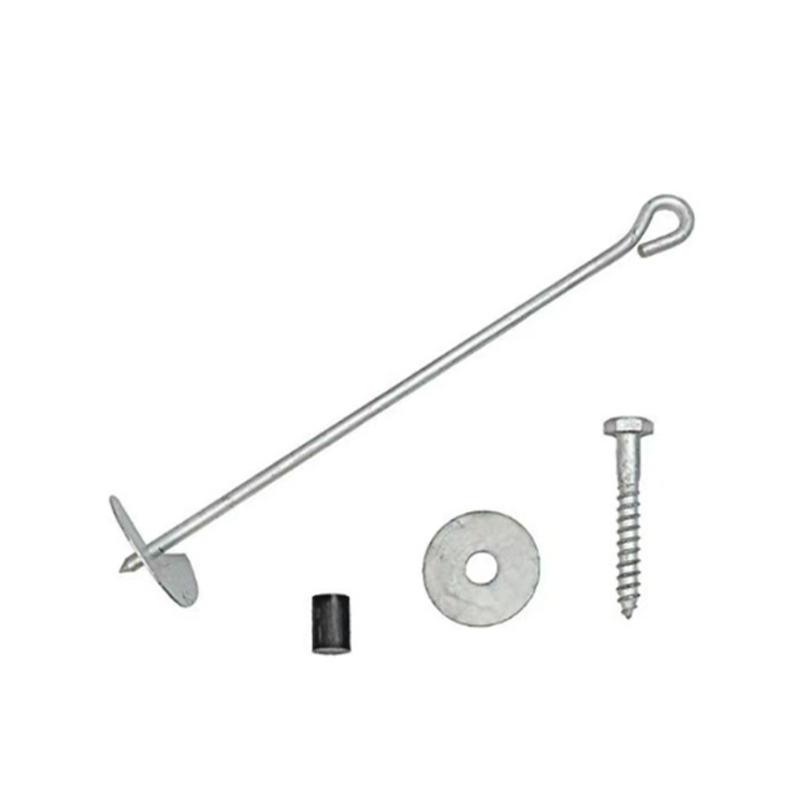
- Check anchor points at the base of the slide frame. Ground anchors should be fully embedded with no movement when upward or lateral force is applied to the structure.
- Inspect the fall zone surface for adequate depth and distribution of impact-attenuating material. Replenish or rake as needed.
- Photograph areas of concern with measurements for comparison at the next annual inspection — this allows slow-developing issues to be tracked over time.
Prompt Repair of Minor Damage
Small impact marks, abrasions, or minor surface roughness on HDPE can be lightly sanded with fine-grit sandpaper (400 to 600 grit) to smooth the surface and remove potential snag points. This does not restore the UV stabilizer package at the sanded area but it prevents the roughened surface from catching clothing or causing abrasions. Deeper damage — gouges that penetrate more than half the wall thickness, or any crack — requires professional assessment and typically replacement of the affected component rather than field repair.
Comparing Plastic Slide Lifespan to Other Slide Materials
Understanding how plastic compares to steel and wood across multiple lifespan-related dimensions helps put the 10–20 year range for plastic slides in useful context and reinforces why plastic has become the dominant material for new playground slide installations worldwide.
| Factor | HDPE Plastic | Galvanized Steel | Treated Timber |
|---|---|---|---|
| Typical lifespan (well maintained) | 10 – 20 years | 15 – 25 years | 10 – 20 years |
| Primary degradation mechanism | UV embrittlement | Corrosion (coating failure) | Rot, splinter, fastener corrosion |
| Maintenance frequency required | Low (annual inspection + cleaning) | Moderate (rust treatment, repainting) | High (sanding, re-treatment, sealing) |
| Risk without maintenance | Moderate (slow UV degradation) | High (rapid corrosion once coating fails) | Very high (rot, splinters, collapse) |
| Safety hazard at end of life | Cracking, surface brittleness | Sharp rust edges, structural failure | Splinters, structural collapse |
| Failure mode visibility | Usually gradual and visible | Can be sudden (hidden subsurface rust) | Can be sudden (internal rot) |
| Repairability | Limited (surface work only) | Good (welding, recoating) | Moderate (section replacement) |
While galvanized steel theoretically offers the longest potential lifespan when perfectly maintained, its failure mode when corrosion occurs — sharp rust edges and potential structural weakening — creates more acute safety hazards than gradually chalking or fading HDPE. The gradual and visible nature of HDPE degradation is itself a safety advantage: it gives owners time to respond before the slide becomes dangerous.
When to Repair vs. When to Replace a Plastic Slide
One of the most practical questions owners face as a plastic slide ages is whether it is more economical and safer to repair the existing slide or to replace it entirely. The answer depends on the nature of the issue and the remaining expected lifespan of the structure.
- Repair is appropriate for loose or corroded hardware (replace with stainless steel equivalents), worn step grip inserts (where replacement inserts are available from the manufacturer), minor surface abrasions (light sanding), or algae/staining (professional cleaning). These interventions restore function without addressing structural life.
- Replace the component (not the full slide) when a single element — such as a ladder section, a step, or a guardrail — is damaged or worn while the chute and main structure remain sound. Many commercial slide systems are modular and allow individual components to be replaced, effectively extending the system life at a fraction of full replacement cost.
- Full replacement is necessary when: visible cracking is present on the chute or structural members; significant deformation has occurred; the chute surface has become deeply worn and rough throughout; the slide fails a formal playground safety inspection; or the slide has exceeded its design service life and multiple systems are showing simultaneous degradation. At this point, continued repair investment is unlikely to be cost-effective relative to the value of a new installation.
A useful financial benchmark: if the cost of required repairs in a single year exceeds 25 to 30% of the cost of a comparable new slide, replacement will almost always deliver better value over the next 5 to 10 years than continued repair of a degraded structure.
How to Maximize the Lifespan of a New Plastic Slide from Day One
The decisions made when purchasing and installing a plastic slide have a larger impact on its ultimate service life than any maintenance action taken afterward. The following practices, applied from the outset, provide the best foundation for maximum longevity:
- Specify UV-stabilized, anti-aging HDPE: Confirm with the supplier that the slide is manufactured from UV-resistant, anti-aging HDPE — not generic polyethylene. Ask for the expected service life in writing and the material grade specification. A supplier confident in their product will provide this information readily.
- Choose a partially shaded location: Even 30 to 40% overhead shading from trees, shade sails, or a pergola can meaningfully reduce cumulative UV dose and extend service life by several years. Avoid full south-facing sun exposure in the northern hemisphere (full north-facing in the southern hemisphere) where UV intensity is greatest at midday.
- Install correctly from the beginning: Proper anchoring with manufacturer-specified hardware into firm, stable ground prevents the cyclic movement that fatigues plastic at connection points. Follow installation instructions precisely — under-anchored slides experience stress concentrations at support points that dramatically accelerate cracking.
- Match the slide specification to the intended users: Do not install a residential-grade slide in a setting with commercial use intensity. Conversely, a commercial-grade slide in a private backyard provides overbuilt durability that translates directly into a longer service life at the residential use level.
- Apply a UV protectant in the first year: Applying a UV protectant to a brand-new slide before any surface degradation has occurred is more effective than applying it to a partially degraded surface. Starting this practice early, and repeating it annually in high-UV climates, builds a cumulative protective effect over the slide's lifetime.
- Keep maintenance records: A simple log of annual inspection dates, findings, and any maintenance actions taken creates a service history that helps identify degradation trends early, informs replacement timing decisions, and is required documentation for commercial and school playground compliance.