 Eng
 Español
 عربى
 Deutsch
 русский
 Français

Content
- 1 Deck height decides everything downstream
- 2 Timber specification for a frame that stays square
- 3 Climbing access: match the challenge to the age band
- 4 The slide interface: slope, run-out and fixing points
- 5 Hardware and anchoring: where most failures begin
- 6 Specification checklist for the purchase order
- 7 Sampling, inspection and export packaging
- 8 Briefing a manufacturer on a wooden climbing frame with slide
A buyer sends over a drawing for a wooden climbing frame with slide, and the conversation almost always starts with the timber. The slide is treated as an add-on, and the fixings are not discussed at all. Six months after delivery, the first complaints tend to arrive about the other two: a slide that no longer lines up with the platform, and a rope ladder whose steps have slowly worked loose from the deck.
The short version of this article: decide the platform height first, treat the slide as an engineered interface instead of a plastic accessory, and buy the hardware by load rating rather than by appearance. A mid-priced frame built on those three decisions will outlast a premium-looking set that was assembled with wood screws and hope.
Deck height decides everything downstream
Platform height is the single number that locks the rest of the specification. It sets the slide length, the entry slope, the required guardrail height, the length of the climbing access, and the fall height you will need to declare if the product goes to a regulated market.
For garden-scale domestic sets, platforms commonly sit between 1.0 m and 1.5 m above ground. A platform at 1.2 m usually pairs with a slide of roughly 2.0 m to 2.2 m running at about 35 to 40 degrees, which keeps descent speed comfortable for a five to eight year old. Push the platform to 1.5 m without lengthening the slide and the angle becomes steep enough that children arrive at the bottom faster than parents expect.
Two more dimensions follow from the deck. The platform needs enough depth for a child to sit down and turn before entering the slide, generally 500 mm or more of clear space behind the slide entry. The guardrail on the remaining sides needs to be high enough, and infilled tightly enough, that a 100 mm probe cannot pass through. If your market requires EN 71 or ASTM F1148 assessment, those guardrail and opening dimensions will drive the test plan and the documentation.
Timber specification for a frame that stays square
Twisting and warping are the most common structural complaints on wooden climbing frames, and they are almost always a moisture content problem rather than a species problem. Specify the moisture content of the timber before preservative treatment, typically 12 to 18 percent, and confirm that the supplier dries and machines in that window. Kiln-dried stock that is cut and packed damp will move in the container.
For posts, a cross-section of 45 by 95 mm or larger in pine, spruce or fir is realistic for domestic use, with rails sized to match the spans they carry. Ask for the species, the cross-section, and the grade to appear on the drawing, not only on the quotation.
Surface preparation matters more than most purchase orders admit. Edges should carry a 2 to 3 mm radius so children do not meet a sharp corner, and faces should be sanded before treatment rather than after. For the fixings, stainless steel or hot dip galvanized fasteners avoid the rust streaks and black tannin staining that show up within one season on lower-grade zinc plating. Exposed thread should never sit where a hand can reach it, so dome-capped carriage bolts or capped screws are the safer choice on climbing surfaces.
Climbing access: match the challenge to the age band
A climbing frame is only as good as its way up. For a three to five year old, wide steps and a modest climbing angle work better than a vertical net. For six to ten year olds, a rope ladder, a climbing net or a small set of moulded climbing holds gives the frame a second route and keeps the platform in use longer.
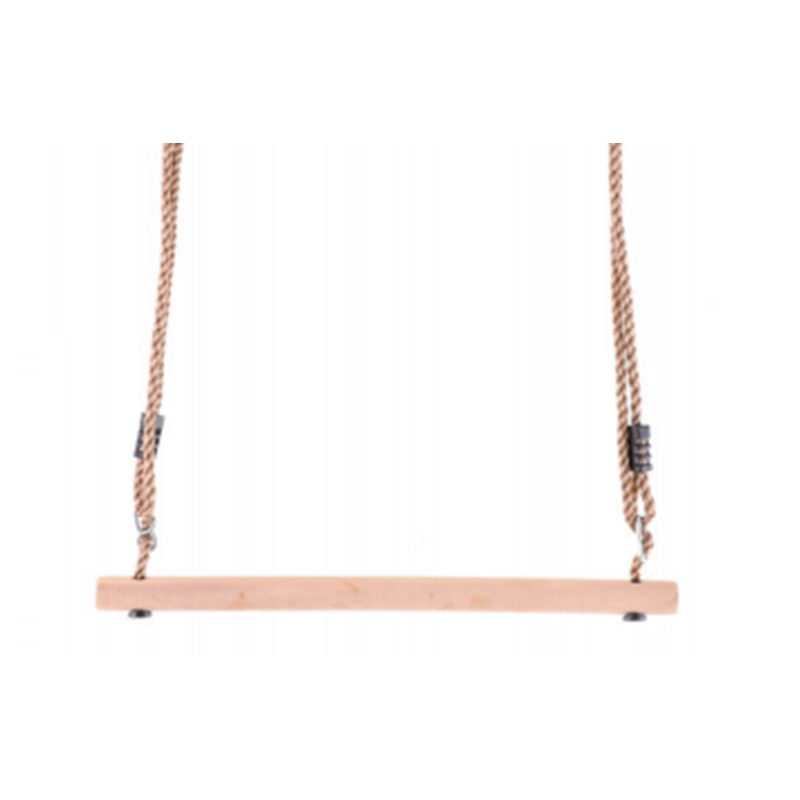
Whatever access you choose, fix it at both ends. A rope ladder hooked over the top rail will migrate sideways under load and eventually slip off; a ladder bolted through the deck edge stays where it was installed. Check the step spacing, the rope diameter and the knot or ferrule method, because these are the details that decide whether a ladder can be retensioned on site. The general principles in this guide to a safe and durable climbing system for kids apply equally to timber frames and to standalone climbing units.

The slide interface: slope, run-out and fixing points
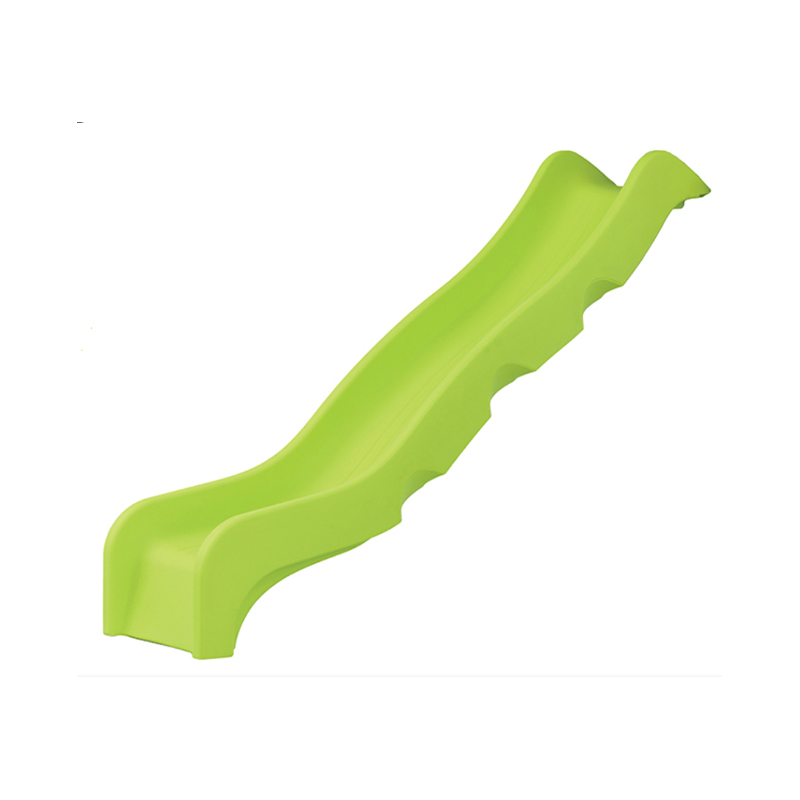
A plastic slide is a simple part until it meets a timber platform. Three values need to be agreed in writing: the entry height of the slide, the angle it sits at when mounted, and the length of the run-out at the bottom. The run-out is what stops a child from landing with forward momentum, and it is the first dimension to be lost when a slide is shortened to fit a shipping carton.
At the entry, the gap between the platform edge and the slide chute should be tight enough that fingers cannot enter, and the slide should be fixed at both the top and the bottom. A slide secured only at the top will lift and rattle, and the entry joint will open up as the timber seasons. Where the slide foot meets the ground, either anchor it to a timber bearer or leave it on a drained surface, since standing water at the exit accelerates wear on the plastic.
Multi-size slides are the practical answer for a manufacturer running several platform heights from one moulding tool, but confirm the wall thickness and the UV stabiliser package. Thin, unstabilised chutes chalk and crack in strong sunlight within a couple of seasons.
Hardware and anchoring: where most failures begin
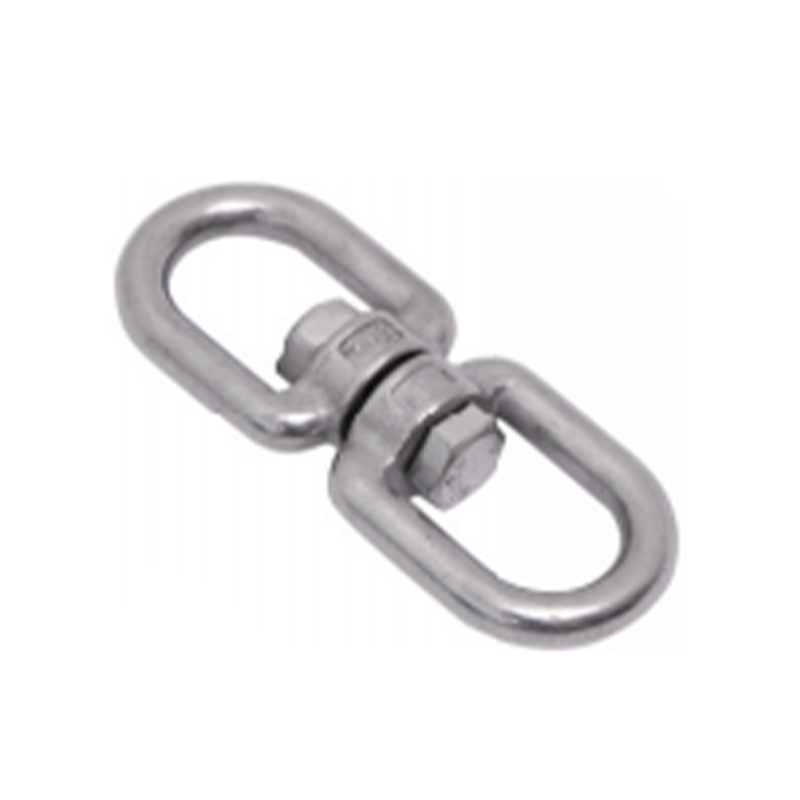
Hardware is the cheapest part of the bill of materials and the most expensive part of a claim. Frame brackets, corner plates, swing hooks, quick-connect clips and swivel rings all need a stated load rating and a stated corrosion class, not just a finish description.
Ground anchoring deserves its own line on the drawing. A 1.2 m timber frame with a slide presents a useful lever to a child pulling on the top rail, and in soft ground or open ground with wind exposure an unanchored frame will tip. Split ground anchors or angle anchor sets driven to a specified depth, with bolts sized to the post, are the standard answer. Ask for a pull-out figure rather than a description, and specify the bolt material so the anchor does not fail before the timber does.
Specification checklist for the purchase order
The table below summarises the items that cause the most returns and inspection findings on garden-scale climbing frames, together with the value or tolerance to put on the drawing.
| Component | What to specify | Failure mode if left open |
|---|---|---|
| Timber posts | Species, cross-section of 45 by 95 mm or larger, moisture 12 to 18 percent before treatment | Twisting and warping in the first season |
| Platform guardrail | Rail height and infill spacing that block a 100 mm probe | Non compliance discovered at destination inspection |
| Slide | Entry height, mounted angle of 35 to 40 degrees, run-out length, top and bottom fixing points | Finger traps at the entry gap, water pooling at the foot |
| Climbing access | Rope diameter, step spacing, fixed at deck edge and base | Ladder drifting sideways or slipping off the top rail |
| Ground anchor | Type, driven depth, pull-out rating, bolt material | Frame tipping in soft ground or high wind |
| Fasteners | Stainless or hot dip galvanized, dome capped heads, thread not exposed | Rust streaks, scratched hands on exposed thread |
Sampling, inspection and export packaging
For a first order, a pre-production sample is worth more than a long specification document, because it exposes the joints that a drawing hides. Check that the pre-drilled holes line up within about 1 mm, that the slide entry closes cleanly against the platform, and that the frame stands square on a flat floor before any anchor is fitted.
At final inspection, ask for these items to be recorded with photographs: moisture reading on a random post, hardware finish and bolt grade, slide wall thickness at three points, and a full assembly of one unit. If the frame ships flat-packed, confirm the carton drop test and the fixings bag count, because a missing bolt set turns a delivered frame into a complaint. Treated timber also needs the correct phytosanitary and heat treatment marking for the destination market, and that paperwork should be checked before the container is sealed, not after.
Briefing a manufacturer on a wooden climbing frame with slide
A supplier can only quote accurately against a drawing that states platform height, timber section, slide angle, access type, hardware grade and packaging format. Send those six items with a reference photo, and the difference between quotations becomes comparable instead of cosmetic. If you are developing a new set or adapting an existing one, you can send the drawings or a sample to our team and we will come back with the material and hardware options that fit the platform height you have chosen.