 Eng
Eng
 Español
 عربى
عربى Deutsch
 русский
 Français
Content
A backyard climbing dome is a hemispherical steel frame that children can climb from every side, and for most families it is the most efficient way to put real climbing into a small yard. A typical 10 ft model covers about 80 square feet of lawn, needs no swinging clearance arc, and lets three to five children play at once, which is exactly why parents keep choosing it over bulkier playsets. The catch is that dome frames differ widely in tube gauge, coating and joint design, and weak ones start to wobble or rust within two or three seasons. The sections below cover sizing, materials, anchoring, cost and upkeep, with the numbers worth checking before you order.
Why the Dome Shape Earns Its Spot
The short answer is that a dome delivers more climbing contact points per square foot than any other freestanding structure. Children enter from any direction, pick their own route to the apex, and never queue behind one ladder. Grip strength, cross-body coordination and route planning all get trained in a single session, and because several children share the frame at once, the dome works as a social hub rather than a turn-taking machine. It also pairs neatly with what most yards already have; a dome beside a basic swing frame covers both climbing and swinging without a full playset footprint.
The radar chart below scores a geodesic climbing dome against an A-frame swing frame and a simple rope net wall across five buying dimensions, on a 1 to 5 scale.
Three takeaways stand out from the chart. First, the dome leads on climbing challenge and multi-child play because its 360-degree geometry offers dozens of hand and foot positions at different heights. Second, the A-frame swing frame scores lower on climbing challenge by design, since its job is linear swinging rather than vertical exploration. Third, the rope net wall is the cheapest route, but it leans on an existing tree or frame for support and weathers faster in open sun. Treat the scores as a starting point and weight whichever axis matters most in your own space.
Sizing the Dome to Your Yard
Start with diameter, because it drives everything else. Most residential domes run from 6 ft to 12 ft across, and 10 ft is the sweet spot for children aged roughly 3 to 10. The figure that matters more than diameter is the clear zone: home playground safety guidance calls for at least 6 ft of unobstructed ground on every side of a climbing structure, with no fences, trees, walls or overhead branches inside that band. Level ground matters too; most frames tolerate a slight slope, but more than a few degrees shows up as an uneven apex and uneven bolt loads.
The bars show the total ground span each common size needs once a 6 ft clear zone is added on all sides. A 6 ft dome therefore occupies an 18 ft span edge to edge, while a 12 ft model demands 24 ft, which is wider than many suburban patios. Measuring this span before ordering prevents the most common complaint, a dome that crowds a fence line or blocks the mowing path. If the yard cannot deliver the full span, step down one size instead of shaving the clear zone. Vertical clearance counts as well; confirm at least 8 ft of open air above the apex and keep the frame well away from power lines.
Frame Materials and Build Quality
Almost every dome uses powder-coated steel tube, but identical-looking frames can hide very different specs. Sturdy residential and light-commercial frames use 1 to 1.5 in tube with a wall around 14 to 16 gauge, while budget frames thin out to 18 gauge, which flexes under adult weight and dents where children kick. Coating is the second discriminator; a galvanized or zinc-rich layer under the powder coat resists rust far longer than paint alone, especially at welds and ground-contact anchors. Joint design is third; fully bolted gusset joints hold alignment for years, while slip-fit sleeves that rely on friction alone loosen into a rattle.
| Component | Common spec | What to verify | Why it matters |
|---|---|---|---|
| Frame tubing | 1 to 1.5 in steel, 14 to 16 gauge | Stated gauge and wall thickness | Thin walls flex, dent and amplify wobble |
| Finish | Powder coat over galvanized or primed steel | Even coating and sealed welds | Rust begins at scratches and weld points |
| Joints | Bolted gussets or machined sleeves | Hardware grade and locking nuts | Loose joints grow into frame rattle |
| Anchors | Galvanized ground anchors and bolts | Coating class at ground contact | Soil moisture corrodes plain steel fastest |
Load rating is the number buyers skip most often, yet it appears on every serious spec sheet.
The chart groups typical published ratings into three classes. Entry-level residential domes often sit near 250 lbs, standard family frames near 450 lbs, and heavy-duty or light-commercial frames reach 750 lbs or more. Remember that the figure covers combined load, so four children on one frame approach the limit faster than you expect. Treat these as midpoints rather than promises and confirm the rating on the exact model you are pricing. A higher rating usually signals thicker tube and sturdier joints, which makes it a useful proxy for overall build quality.
What You Actually Pay
Price scales with diameter, but coating quality and joint hardware explain much of the spread between two same-size domes.
The line tracks typical retail midpoints for each size, and the shaded band shows the low-to-high range to expect at checkout. A 6 ft dome generally lands between 130 and 180 dollars, a 7.5 ft model between 180 and 260, and a 10 ft frame between 250 and 400. Above that, 12 ft commercial-grade domes span roughly 350 to 550 dollars, and street prices shift with region and season. Treat the midpoint as a negotiating anchor; a same-size frame priced far below the band is usually saving money on tube gauge or coating. Freight matters too, because a 10 ft kit is heavy, so confirm whether shipping is included before comparing two listings.
Anchoring and Safe Setup
An unanchored dome is a tip risk, not a style choice. Most frames include stake points at the base plates, and on grass the dependable method is galvanized ground anchors driven flush, bolted through the plate and checked for pull-out. Concrete footings remain the premium route for light-commercial sites, but a proper anchor kit with expansion bolts or split anchors does the job on a home lawn for a fraction of the work.
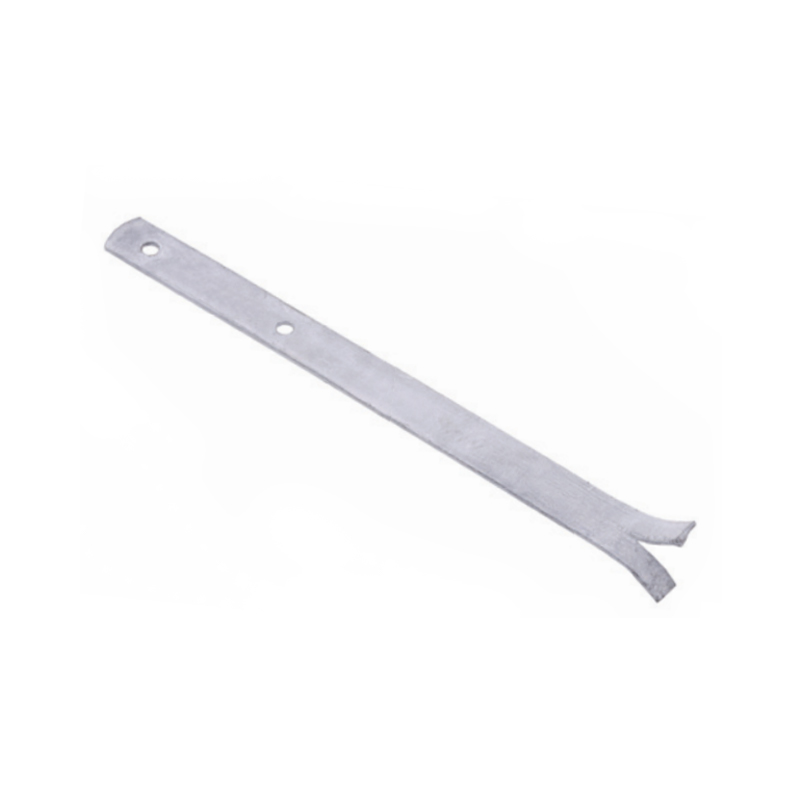 Hot-Dip Galvanized Split Ground AnchorMade from 2.5mm hot-dip galvanized steel with two bolt holes for concrete embedding, this anchor secures swing frames, climbing towers and playhouses, matching the anchoring guidance discussed before this point.View Product →
The surface under the dome deserves equal attention. Short grass is acceptable for lower frames, but engineered wood fiber, rubber mulch or rubber tiles materially cut injury risk on taller ones, and the 6 ft clear zone should apply to the surfacing as well. Climb the finished frame yourself once, then recheck every bolt after the first two weeks of play while a new frame settles. Climbing systems deserve the same scrutiny as swing hardware, and our article on a safe and durable climbing system for kids walks through the inspection points we apply before any product leaves the factory.
Turning the Dome Into a Full Climbing Zone
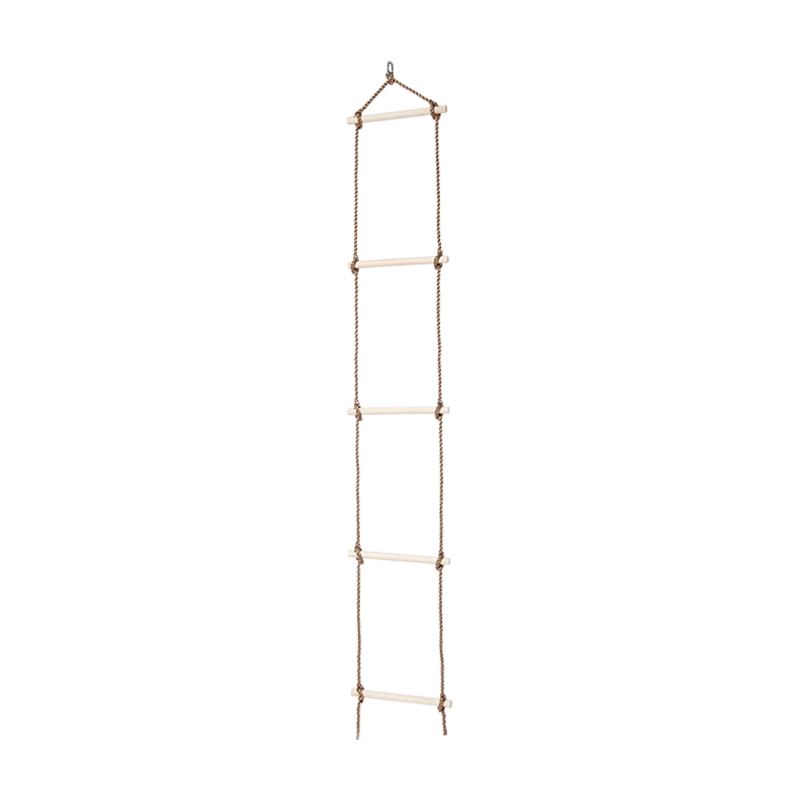
A dome rarely stays alone for long. Once children master the apex, the frame becomes the anchor point of a wider circuit, and the cheapest upgrades come from rope and grip products rather than a second structure. A woven cargo net draped over one face adds a low crawl challenge for younger siblings, while clip-on rope ladders and disc ropes extend the route list without new hardware. If the dome sits near a sturdy branch or an existing swing frame, a hung net or ladder turns two products into one continuous course.
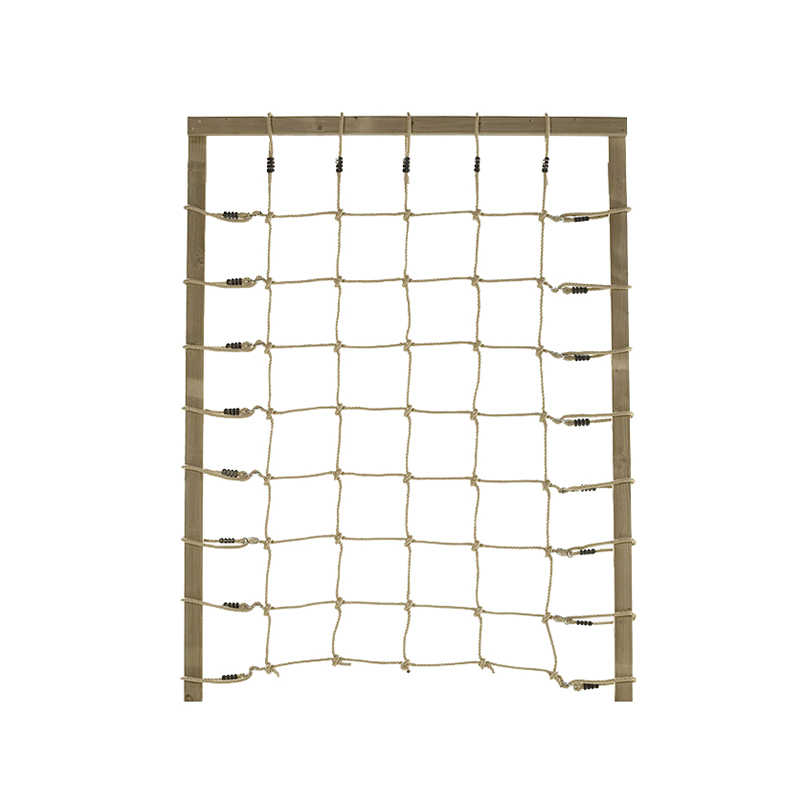 Hand-Woven Climbing Net for Outdoor Play FramesThis hand-woven net uses 10mm polyethylene rope in uniform 25x25cm grids with adjustable buckles and angles from 30° to 90°, an affordable way to extend a dome or frame into a wider climbing circuit.View Product →
 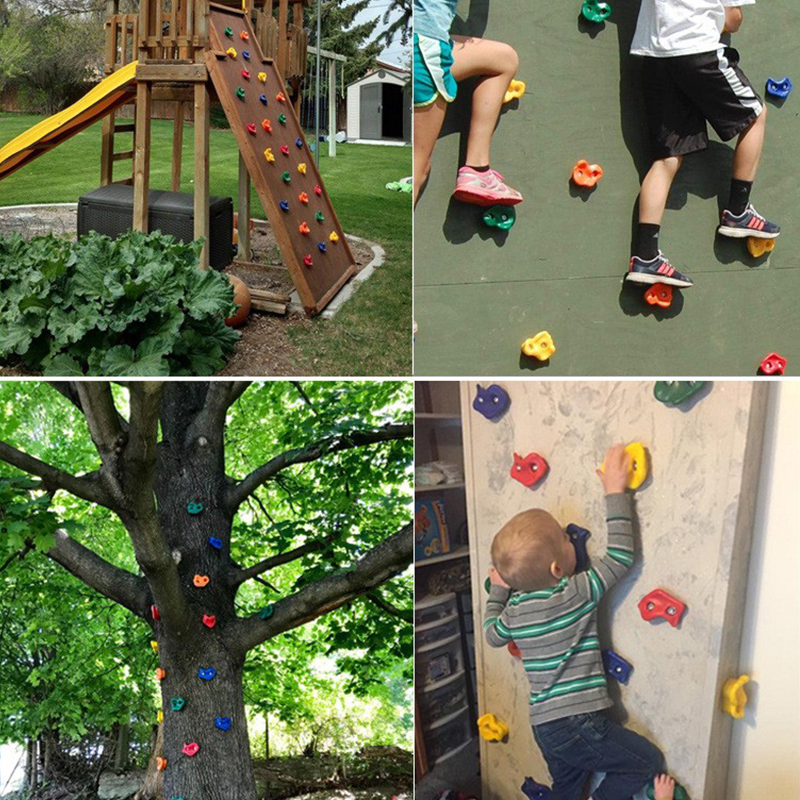 Blow-Molded Climbing Rock Holds for Wooden FramesThese UV-resistant PE rock holds feature textured grips, smooth edges and two-hole mounting with included hardware, a simple grip upgrade for timber walls or the base plates of a climbing frame.View Product →
Both items above come from our climbing rope ladder and stones category, where the parts are made to pair with frames, trees and swing structures. Rock holds suit a timber wall or the base plates of a frame, and a handwoven net fits domes, trunks and horizontal beams alike. Match rope diameter to the grip span of your youngest climber, and keep attachment knots above head height so nothing sags into a trip line.
Seasonal Maintenance in Ten Minutes
Dome upkeep is light but not optional. Run this list at the start and middle of every play season:
- Re-tighten every accessible bolt; vibration loosens joints fastest during the first month.
- Inspect the powder coat at weld points and touch up bare steel before rust blooms.
- Check ground anchors for lift after heavy rain or frost and re-drive any that have risen.
- Trim grass and weeds around the base so mower blades never strike the tubes.
- Rinse, dry and store rope products indoors in winter to roughly double their working life.
A frame that passes this list each season will usually outlast the childhood of the children it was bought for.
The buying decision compresses to four checks: measure the full span with its clear zone, confirm tube gauge and coating, verify the combined load rating, and plan the anchoring before the box arrives. Get those right and a backyard climbing dome becomes the piece of playground equipment children outgrow last, if they outgrow it at all. For buyers sourcing frames or climbing components in volume, we manufacture swing frames, climbing rope products and matching hardware in-house and quote against customer drawings and samples.