 Eng
Eng
 Español
 عربى
عربى Deutsch
 русский
 Français
Content
- 1 Why Custom Made Playgrounds Are Worth the Extra Planning
- 2 What to Look for in a Custom Playground Equipment Manufacturer
- 3 Safety, Hardware, and Materials: The Backbone of Custom Swings and Play Sets
- 4 Common Custom Playground Configurations for Different Projects
- 5 Working with a Factory: From Drawings to Reliable Delivery
Imagine you are planning a playground for a school courtyard, a public park, or a private backyard. The site has irregular shapes, a specific age range, and a budget that does not match any ready-made catalog product. This is where custom made playgrounds make sense. Instead of adapting the site to a standard swing set or climbing structure, you adapt the equipment to the site. A good custom playground project starts with a manufacturer that understands materials, hardware, and safety standards, not just one that offers a configurator.
Custom made playgrounds are the result of a structured conversation between the buyer and the factory. The buyer brings a drawing, a photo, or a rough concept. The factory translates that concept into a buildable product with the right dimensions, materials, and attachments. The outcome can be a single custom swing, a themed climbing area, or a complete play zone with swings, slides, and accessories.
In this article, we explain the practical decisions behind custom made playgrounds, the manufacturing capabilities that make them possible, and the procurement risks you should plan for before placing an order.
Why Custom Made Playgrounds Are Worth the Extra Planning
Standard playground equipment has an advantage: predictable prices and fast delivery. But site conditions rarely match standard dimensions. A corner of a park may be shaped like a wedge, a school garden may have mature trees in the middle, and a family backyard may be on a slope. Custom made playgrounds solve these problems by defining the equipment around the measurement of the actual space.
The chart below shows the factors that project owners weigh most heavily when they choose custom over standard.
These ratings reflect the priorities that typically shape custom made playground projects. Space adaptation almost always ranks first because an existing yard or school plot has fixed boundaries and obstacles. Safety compliance follows closely, as public sites must meet regional playground standards and inspector expectations. Material durability is a long-term cost factor, especially for outdoor equipment exposed to rain and UV. Theme and visual appeal matter more for commercial spaces, while budget control often becomes the final filter. The balance among these factors determines whether the final design will serve the community for years.
These priorities must be written down early so the manufacturer knows whether the client wants maximum play value, low maintenance, or a signature statement. That clarity speeds up design and reduces the risk of expensive changes later.
What to Look for in a Custom Playground Equipment Manufacturer
Custom made playgrounds are only as good as the factory behind them. A reputable manufacturer should not be a trading company that sends your drawings to unknown suppliers. Look for a maker with in-house production for the main materials used in play equipment: plastic, metal, and sometimes wood.
The column chart below shows the production capabilities that are most relevant when a project requires custom dimensions and finishes.
This chart shows the production capabilities that make custom made playgrounds feasible under one roof. Injection and blow molding allow consistent plastic components such as swing seats and climbing holds. Metal fabrication supports frames, brackets, anchors, and hangers that must be strong and precisely welded. Coating and painting lines protect against corrosion and give a finished look. Tooling capability shortens the time needed to turn a client drawing into a production-ready part. In-house testing gives confidence before the product ships.
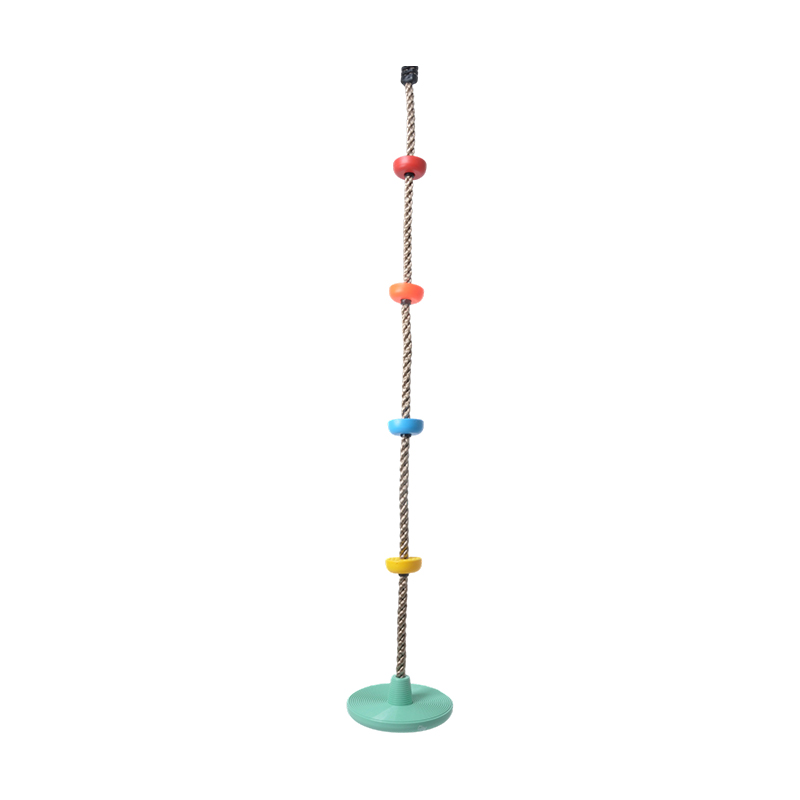
One practical example is a custom climbing element. A buyer may need an unusual length, a different color, or a specific attachment point. A factory that molds its own plastic parts and sews its own rope assemblies can make those changes quickly. For instance, a customizable colorful tree climbing rope with platforms can be adjusted in staging height and platform spacing for different age groups. The same logic applies to swing frames and hardware; buying from third parties fragments quality control and extends lead times.
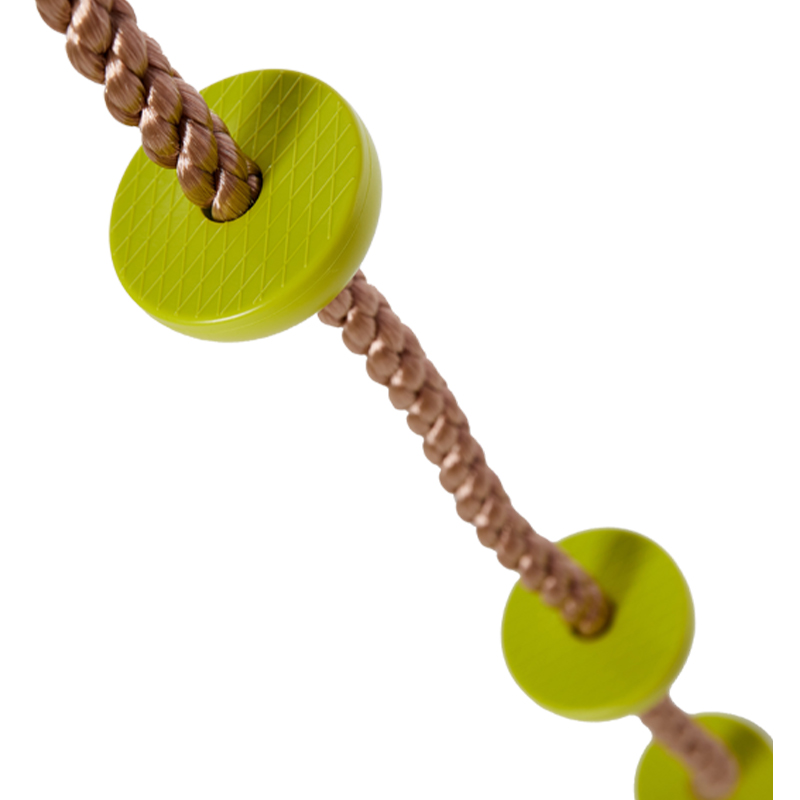 Wholesale Colorful Tree Climbing Rope With Platforms Manufacturers, CompanyAs a China Colorful Tree Climbing Rope With Platforms supplier and wholesale Colorful Tree Climbing Rope With Platforms company, Ningbo Y...View Product →
Safety, Hardware, and Materials: The Backbone of Custom Swings and Play Sets
Safety in custom made playgrounds is not just about the softness of the surface or the height of the platform. It is also about the small parts: the swivel rings, suspension straps, bolts, and anchors that hold the structure together. These components are often overlooked in the early design phase, yet they determine whether a swing remains stable for years.
Material choices affect both safety and maintenance. Galvanized steel resists rust in humid climates; stainless steel is stronger but more expensive; wood requires regular inspection; plastic components need UV stabilizers to avoid fading and cracking.
The line chart below shows how maintenance costs for common playground materials tend to develop during the first five years of service.
This chart compares how maintenance costs typically evolve over five years for common custom playground materials. Treated wood is economical at first, but its annual maintenance climbs quickly because of weather, splinters, and repainting needs. Galvanized steel remains stable and is a favorite for structural frames and swing hardware. Plastic components stay low in maintenance, though they can suffer from UV fading unless protected. The steeper the curve, the more careful the procurement team should be about long-term ownership costs. The lines show that the cheapest initial material is not always the least expensive over the life of a playground.
For custom swings, the connection between the seat and the support beam is especially critical. A standard chain is often replaced by a high-strength nylon suspension strap in modern designs because it is quieter and reduces wear. The same thinking should apply to ground anchors and corner brackets, since these parts are difficult to replace after installation. Always ask whether the hardware meets relevant standards such as EN 1176 in Europe or ASTM F1487 in the US; certification documents should be available before mass production.
Common Custom Playground Configurations for Different Projects
Custom made playgrounds often combine two or three activity types around a central theme. In a private yard, the most common custom request is a tree swing with a large nest seat that adults can also use. In a school, the design usually puts climbing nets, slides, and swings in separate zones to manage traffic. In a commercial setting, the goal is visual impact: a giant saucer swing, a tent-covered swing, or a custom steering wheel panel becomes the centerpiece.
To make these choices easier, the radar chart below compares three common custom options: a classic swing, a nest swing, and a climbing combination.
A radar chart is a useful way to compare custom made playground options across several qualities at once. Classic swings score high on cost efficiency and space efficiency, which is why they remain the default for family yards. Nest swings offer better comfort and safety, making them attractive for commercial playgrounds, but they need more clearance. Climbing combos balance durability with moderate comfort, yet they demand the largest footprint. When planning a custom project, the right mix depends on whether the priority is crowd capacity, sensory play, or long-term maintenance. This kind of comparison helps buyers explain their needs to a manufacturer before drawings are made.
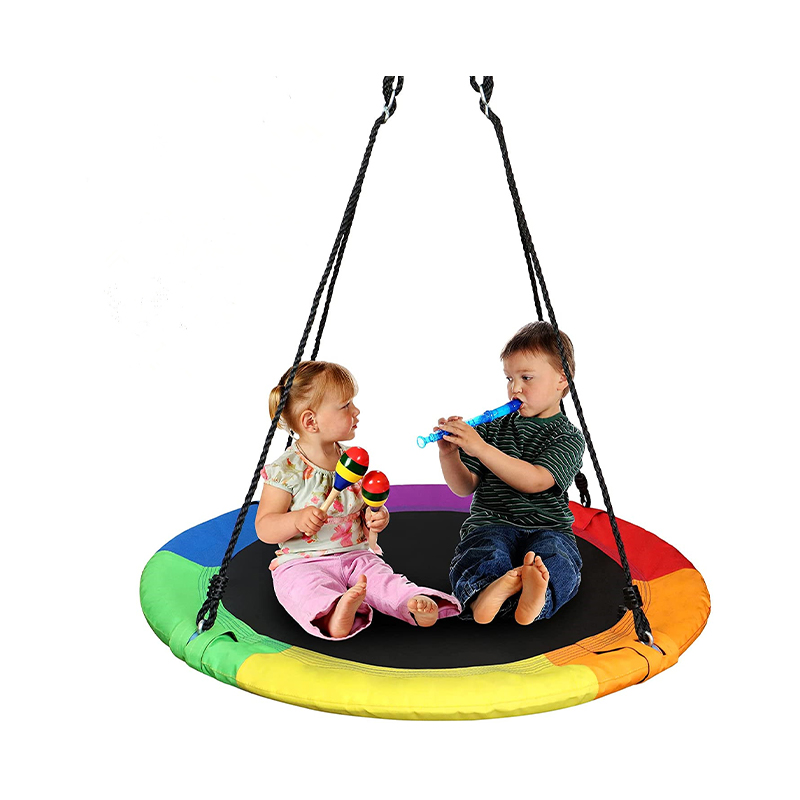
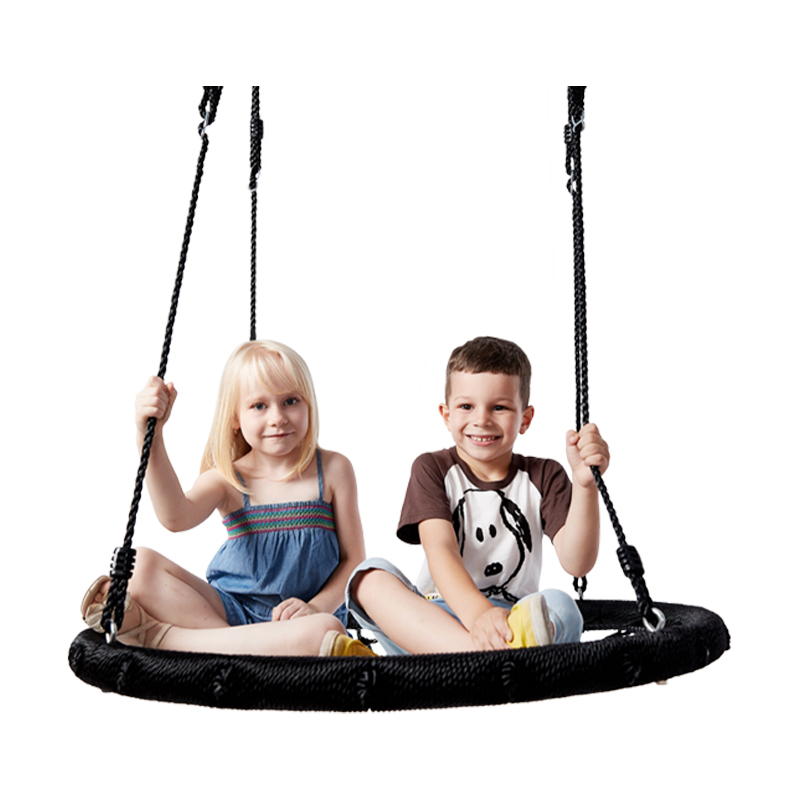
One of the most practical custom choices for a family yard is a nest swing because it fits more users and reduces boredom quickly. For public playgrounds, many designers specify a 40-inch giant oxford saucer swing as the central attraction; the wide seat can be used by multiple children at once and the fabric can be chosen in custom colors.
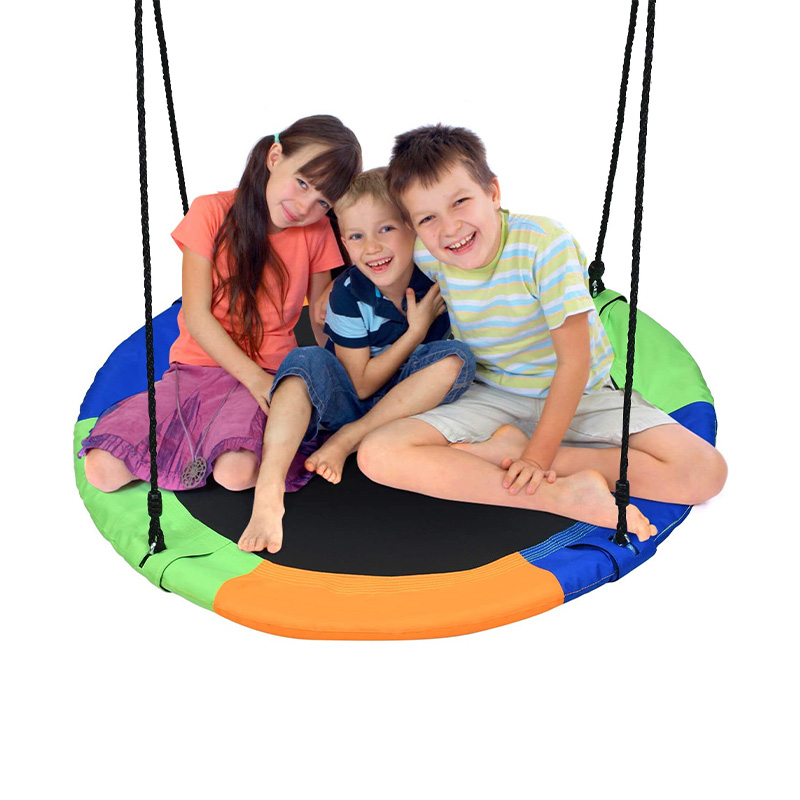 Wholesale 40-Inch Giant Oxford Saucer Swing Manufacturers, CompanyAs a China 40-Inch Giant Oxford Saucer Swing supplier and wholesale 40-Inch Giant Oxford Saucer Swing company, Ningbo Yongxu Industrial P...View Product →
When the site has no suitable overhead tree or beam, a custom project can include a freestanding structure. A heavy-duty rustproof double swing frame is a reliable base for adding two different seats, one for a toddler and one for older children, with a single anchor system.
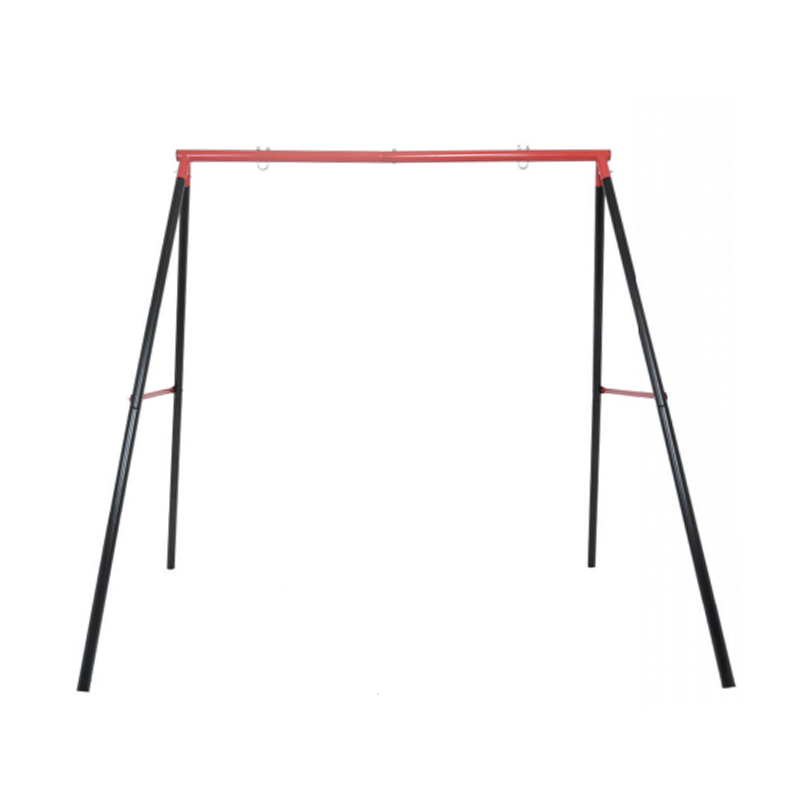 Wholesale Heavy-Duty Rust-Proof Double Swing Fram Manufacturers, CompanyAs a China Heavy-Duty Rust-Proof Double Swing Fram supplier and wholesale Heavy-Duty Rust-Proof Double Swing Fram company, Ningbo Yongxu ...View Product →
Working with a Factory: From Drawings to Reliable Delivery
Once the concept is clear, the manufacturing process for custom made playgrounds follows a predictable sequence. The buyer should expect a review of the drawing or sample, a quotation with material specifications, a prototype or sample stage, then batch production and inspection.
During the review stage, the factory should point out potential problems: a swing angle that could hit a tree limb, a bracket size that does not match local building codes, or a fabric choice that is not UV-resistant. These comments are part of the value of a manufacturer with engineering experience. A direct trading company may simply confirm the order.
Order confirmation is not the end of the risk. The buyer should agree on the inspection criteria before production, not after. What dimensions are critical? What parts require a pull test? How many units are set aside for batch sampling? In high-quality factories, the answers are written down in a quality plan.
Delivery reliability also depends on how many production stages are in-house. If the injection molding, metal cutting, and coating are all in the same facility, there is less chance of delays from external suppliers. This is why discussing your custom playground requirements with the factory early can save weeks later.
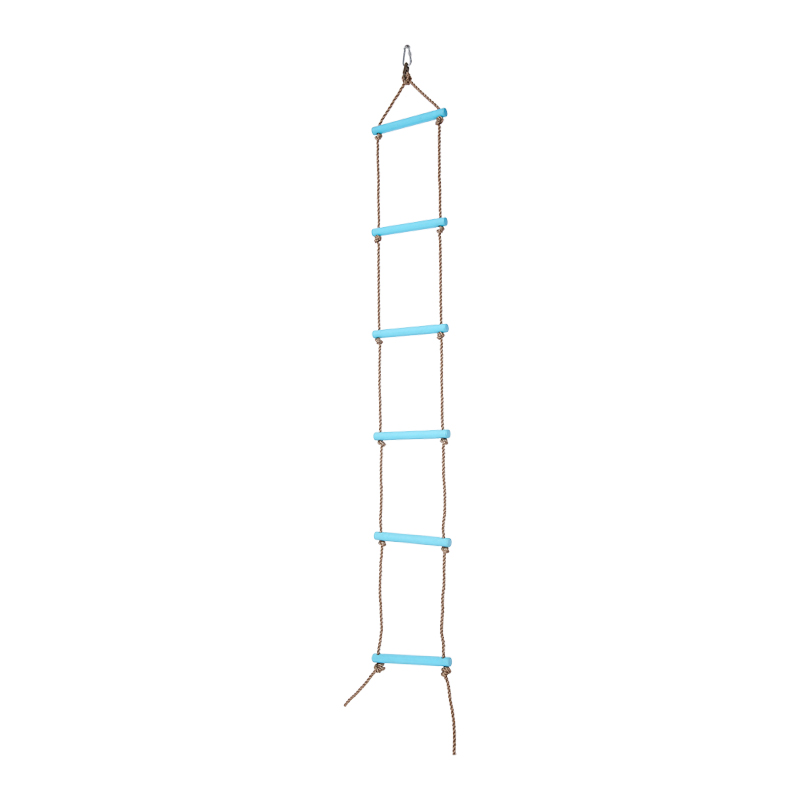
The information above is particularly relevant for climbing structures, which have more moving parts and load points than a simple swing. For a detailed look at the main safety and design questions, see our guide on what makes a safe and durable climbing system for kids. That article covers fall zones, connection strength, and inspection intervals.
Custom made playgrounds are not a single product you order from a catalog. They are a collaboration between an informed buyer and a manufacturing partner. Start with the site, then create a shortlist of manufacturing capabilities, safety standards, and maintenance expectations. When those elements are aligned, the final playground will be more useful, safer, and easier to maintain than a generic alternative. For buyers with a drawing or a rough idea, the next step is to share it with a factory that builds playgrounds in its own workshop.