 Eng
Eng
 Español
 عربى
عربى Deutsch
 русский
 Français
Content
- 1 Accessible and Inclusive Are Two Different Briefs
- 2 Which Equipment Categories Carry the Most Inclusion
- 3 Where Inclusive Play Budgets Actually Go
- 4 Specifications Buyers Most Often Get Wrong
- 5 What Changes When the Layout Changes
- 6 Durability Decides the Ten Year Cost
- 7 Weighing the Trade Offs Before You Order
- 8 Sourcing Inclusive Equipment Without Losing the Details
- 9 A Practical Checklist Before You Sign
A six-year-old in a wheelchair can reach the top of a ramp and still spend every recess watching. That is the scene many school and park committees describe when they start asking about inclusive outdoor play equipment: the ramp is there, the funding is spent, the surfacing passes inspection, and almost nobody uses the structure at the top.
Inclusive outdoor play equipment is not a separate catalogue bolted onto a standard playground. It is the combination of surfacing, access routes, seat geometry, reach heights and mounting hardware that lets a child in a wheelchair, a child with low muscle tone and a typically developing child use the same structure at the same time. Treat it as a shopping list and you usually end up with an accessible playground: compliant, well meaning and used by very few children. Treat it as a layout problem and the same budget produces a playground that fills up at break time.
The sections below explain that difference, show which categories carry the most inclusion per unit of budget, and list the specifications buyers most often get wrong.
Accessible and Inclusive Are Two Different Briefs
Accessibility answers one question: can a person reach the equipment? Inclusion answers a harder one: once they arrive, can they take part in the same activity, at the same time, without being routed to a separate corner of the site? The first is a legal floor. The second is what actually fills the space.
A ramp to a raised deck is accessibility. A deck wide enough for a wheelchair to turn, a transfer station beside the slide entry at the same height as the slide platform, and a swing seat a carer can lift a child onto without standing up is inclusion. The budget line is similar. The user experience is not.
| Design question | Accessible approach | Inclusive approach |
|---|---|---|
| Route through the site | One ramp to the main deck | Ramp plus a wide ground level route linking every zone |
| Surfacing | Compliant depth under the structure | Continuous firm surface so wheels never stall between zones |
| Swing bay | One standard belt seat | Nest seat, high back infant seat and tandem glider on the same frame line |
| Climbing | Ladder with standard rung spacing | Rope net, graded holds and a low transfer step at the start |
| Sensory input | A single play panel | Panels, spinners and musical parts spread along the route |
| Carers | Benches outside the fence | Seating inside the play zone with clear sightlines |
Which Equipment Categories Carry the Most Inclusion
Swing seating serves the widest range of bodies
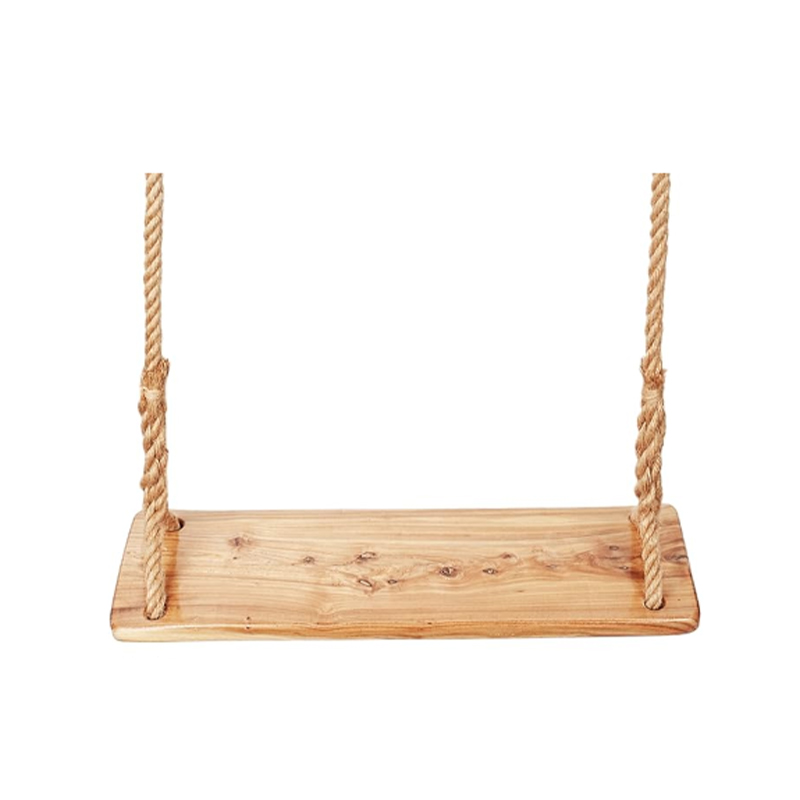
Swings do more inclusion work per unit of budget than any other item on a playground. A nest or saucer seat takes a child lying down, a child sitting beside a carer and two friends at once. A high back infant seat with a front bar holds a child who cannot yet sit unsupported. A tandem glider lets a carer face a child and move the seat with their legs instead of their arms. Keep the different seat types under the same frame bay so no child is sent to a different part of the site to play.
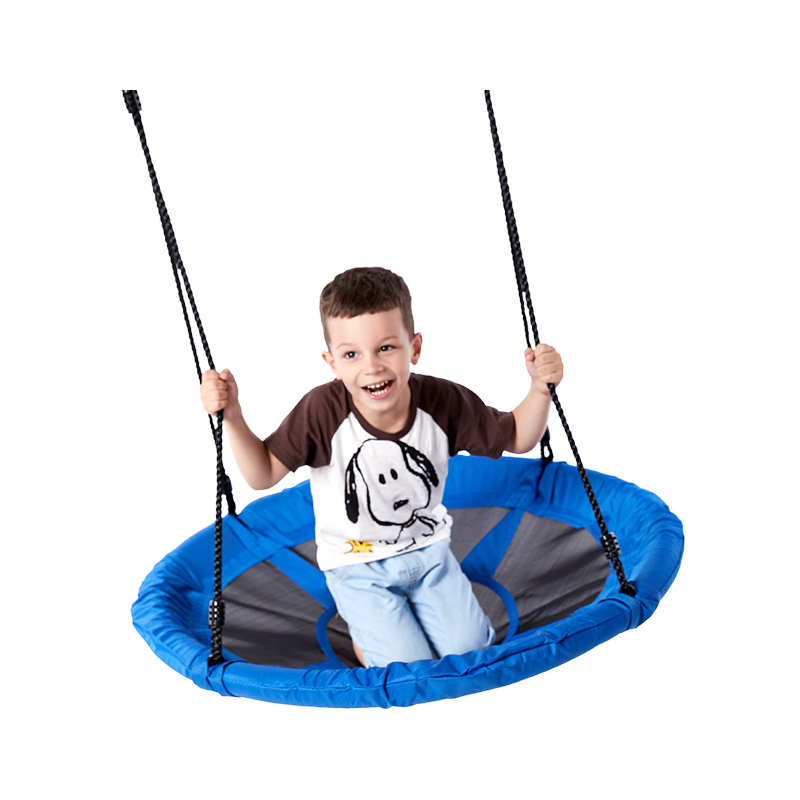 Children Nest Swing & Saucer Swing ManufacturersNest & Saucer Swing redefines outdoor leisure with circular/square designs for gardens/playgrounds. High-strength straps & rust-proof connectors support 300kg loads fo...View Product →
Climbing routes that start at ground level
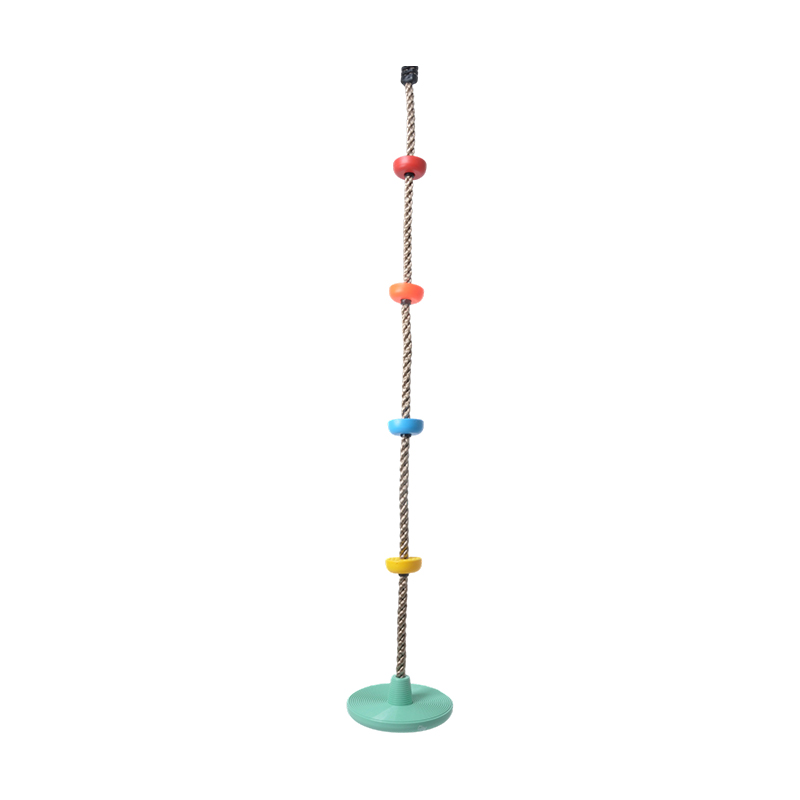
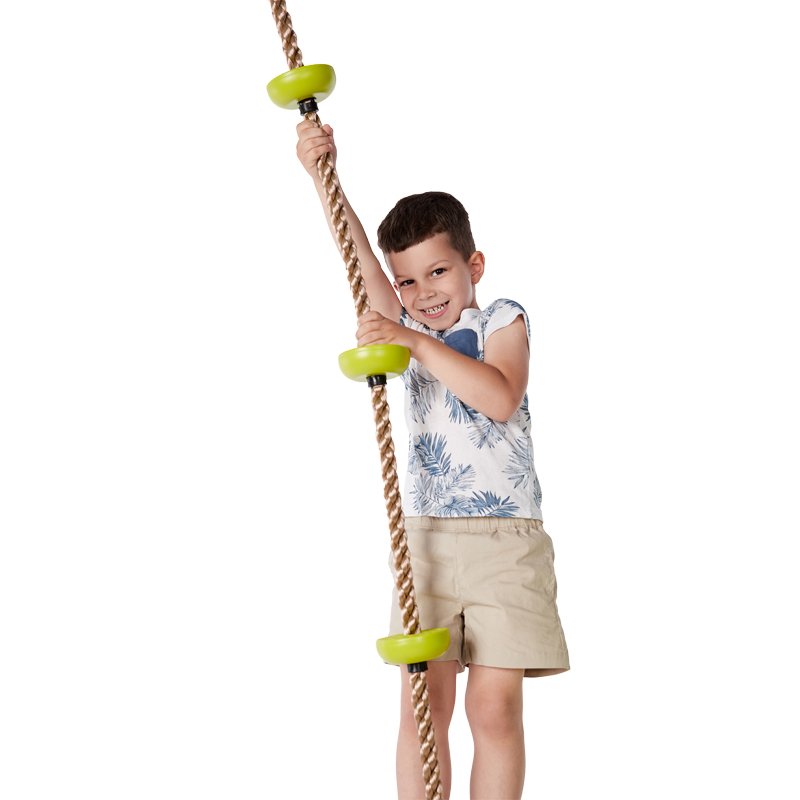
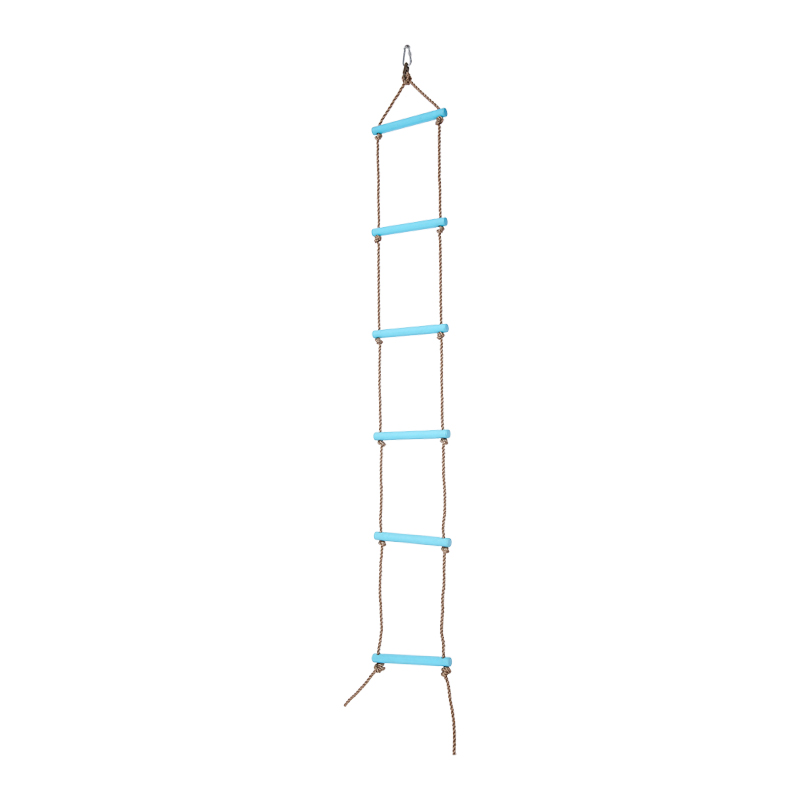
A ladder with standard rung spacing excludes the child who cannot grip an overhead rung. A rope net with graded spacing, a hold wall with two routes at different difficulty and a low transfer step at the start let children of different strength levels use the same structure. Look for hold spacing of roughly 200 to 300 mm, textured grips and a documented load rating rather than a catalogue claim. Our own note on what makes a safe and durable climbing system for kids covers the fixing details that decide whether a net stays tight after two seasons.
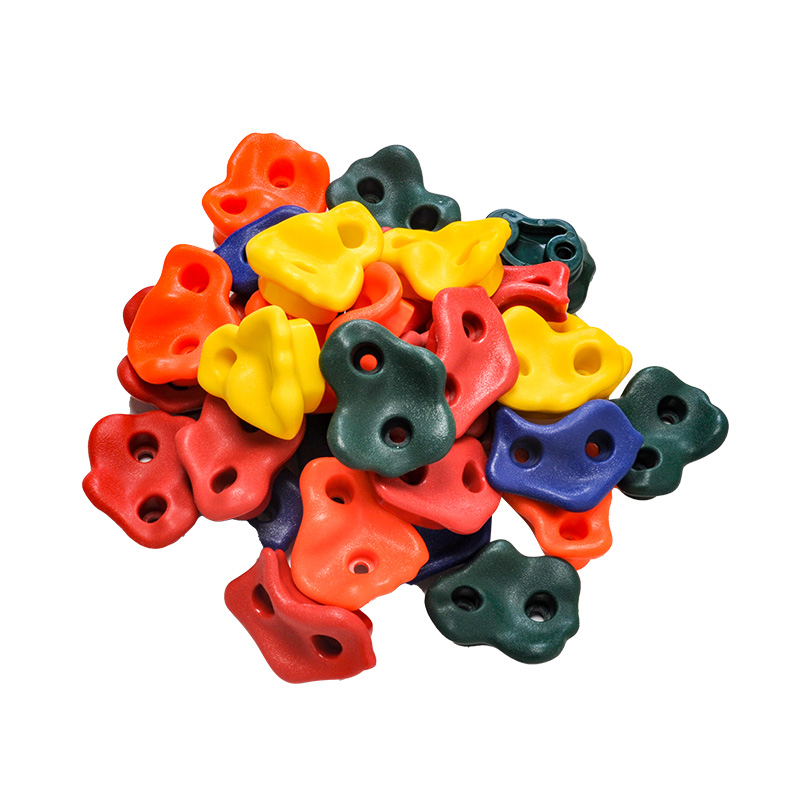 Children Climbing Rope & Ladder & Stones ManufacturersClimbing Rope & Ladder & Stones offer a safe climbing system for kids' physical development, featuring:View Product →
Slides, panels and role play
A slide becomes inclusive when the entry height is reachable and the exit run-out is long enough for a child who cannot stop themselves. Sensory panels, steering wheels, periscopes and musical elements cost very little and keep children in the space after the first ten minutes, which is where real mixing between children happens. These items rarely appear in an access standard, and they are usually the first thing a committee cuts.
Where Inclusive Play Budgets Actually Go
Most committees assume the money disappears into ramps. In practice the enquiry mix looks like the chart below.
These are the categories buyers ask about when a plan moves from compliance to actual daily use. Swing seating takes the largest share because one nest seat can serve a child lying down, a child sitting with a carer and two friends at the same time, and no other single item matches that range. Climbing systems come second, since a rope net or a graded hold wall keeps children with different upper body strength on the same structure instead of on two separate ones. Sensory panels and role play items are the cheapest entries on the list, and they are usually what keeps children in the space after the first ten minutes. Slides matter most for the youngest users, but a slide only becomes inclusive when the entry height is reachable and the run-out is generous. Mounting hardware is the smallest slice and the one that fails most often, which makes it the last place to cut cost. A buyer who spends the hardware budget first usually spends less on repairs later.
Specifications Buyers Most Often Get Wrong
Inclusion lives in millimetres. These are the numbers worth confirming in writing before an order is placed.
| Item to confirm | Typical inclusive target | Common mistake |
|---|---|---|
| Nest swing seat height | About 400 to 550 mm above surfacing at rest | Seat set so high that a transfer needs two adults |
| Clearance under moving parts | At least 400 mm measured to the lowest point | Clearance measured to the frame instead of the seat |
| Transfer platform | Within 25 mm of the slide entry height | Platform built low, forcing a lift at the top |
| Climbing holds | 200 to 300 mm spacing with two difficulty routes | One route only, sized for an average height child |
| Suspension hardware | 304 stainless or hot dip galvanised near the coast | Zinc plated hooks specified to save a few cents |
| Load rating | Suspension parts tested to four times working load | Catalogue figure quoted with no test report |
| Surfacing | Depth set by fall height, not by equipment count | One uniform depth across the whole site |
What Changes When the Layout Changes
Supervisors notice the effect before anyone measures it. The chart below shows what observation sheets usually record.
The two lines describe what supervisors typically record when a play area is observed in fifteen minute windows across a school term. Under a standard layout, continuous play peaks in the nine to twelve band and then falls away sharply, because the equipment offers only one level of challenge. An inclusive layout adds a second, lower entry point to the same structure, so the six to eight band gains the most, roughly ten extra minutes of uninterrupted play. The gap narrows again for teenagers and adults, which is expected, but the inclusive line still sits higher because carer seating and the tandem glider keep older users inside the play zone instead of on a bench outside it. Read the vertical scale as a shape rather than a target; the useful signal is that the inclusive curve stays flat across age bands instead of spiking in one. A flat curve means mixed age groups share the space, and that is the outcome most schools are paying for.
Durability Decides the Ten Year Cost
Inclusion adds moving parts, and moving parts add risk. Finish selection is the cheapest lever a buyer controls.
Salt spray hours are the closest thing to a fair comparison between finishes, because they describe how long a part survives a corrosive atmosphere before red rust appears. Zinc plated hardware sits at the bottom of the range, which is why it suits sheltered or indoor installations only. Electro galvanised parts roughly double that figure and are acceptable inland, although coastal air will still shorten their service life. Powder coating over prepared steel adds a physical barrier on top of the zinc layer, and hot dip galvanising produces the thickest and most damage tolerant coating of the three. Stainless steel 304 is the reference point for seaside playgrounds and for parts that are handled constantly, such as quick links, swivel rings and swing hooks. The practical rule is to choose the finish by distance from salt water and by how often the part is touched, not by unit price alone. For retrofit work on existing trees, a reinforced nylon suspension strap spreads the load and protects the bark, which matters when a mature tree is the only support available.
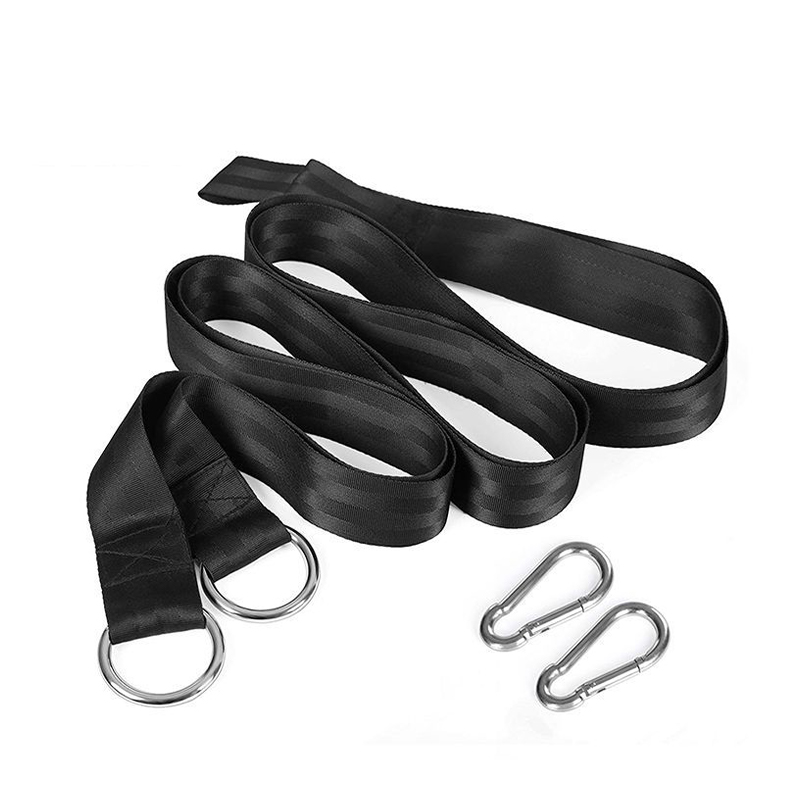 High-Strength Nylon Suspension StrapPREV:No previous articleView Product →
Weighing the Trade Offs Before You Order
Every inclusive design trades something. The radar below compares two configurations of the same site area, so the only variable is layout and equipment choice.
Physical access and social contact jump the most once a nest swing, a transfer platform and a ground level route are added. Maintenance simplicity is the one axis that falls, because more moving parts and more fabric seats mean more inspection points across a season. Supervision ease improves slightly, and this is often overlooked: when carers have seating inside the play zone, children are watched more closely with far less shouting across a fence. A useful exercise is to score your own site on these five axes before and after a proposed change, since the shape of the polygon usually reveals which axis is being ignored. If the shape leans toward maintenance and supervision while access and social contact stay low, the plan is still an accessible one. The polygon should look balanced, not perfect.
Sourcing Inclusive Equipment Without Losing the Details
A B2B buyer rarely orders a finished playground. More often the brief is a drawing, a sample seat or a photograph of an existing structure that has to be matched in timber, plastic and steel. That is the point where an OEM relationship saves time, because tooling, moulding, metal working and coating sit under one roof rather than across four suppliers. Quality documentation matters just as much: a coordinate measuring machine for moulded parts, a tensile tester for suspension components and a salt spray chamber for coated metal give a buyer something to compare against the drawing, rather than a verbal assurance. If you are specifying a mixed site with swings, climbing and hardware in the same order, send the drawings, the sample or even a sketch with critical dimensions, and ask for the tolerances in writing before the tooling is cut. You can reach our engineering team through the contact page to review a drawing or a sample before quoting.
A Practical Checklist Before You Sign
- Measure the route, not just the ramp: width, turning space and surface firmness between zones.
- Ask for mixed swing seat types under one frame bay.
- Confirm the transfer platform height against the actual slide entry.
- Match hardware finish to distance from salt water and to how often the part is handled.
- Request test reports for suspension parts instead of catalogue ratings.
- Plan a yearly inspection list covering fabric, rope, joints and anchors.
None of this requires a bigger site or a bigger budget. It requires the layout to be decided before the equipment list is written, and the specifications to be written down before the order is placed. Do that, and the child at the top of the ramp stops watching and starts playing.