 Eng
 Español
 عربى
 Deutsch
 русский
 Français

Content
- 1 Start With Three Measurements, Not With the Ladder
- 2 Rung Spacing, Width, and Load Ratings
- 3 Rope and Rung Materials That Decide Service Life
- 4 How to Hang the Ladder Without Weakening the Swing Set
- 5 Safety Checks and Documents to Ask For
- 6 Matching the Ladder to the Play Setup
- 7 What to Put in the RFQ
A buyer sends over a drawing for a 2.4 m A-frame swing set and asks for a rope ladder to hang from the crossbeam. The first question back is not about price. It is about the height from the beam to the ground, the free space along the beam, and how the ladder will be anchored. Rope ladders for swing sets rarely fail as sourcing projects because of the rope. They fail on fit. The rungs can be sound and the rope can test well above the required load, and the ladder still cannot be hung properly because the crossbeam is 90 mm thick and the supplied straps close at 80 mm, or because the lowest rung stops 400 mm above the grass and no child can reach the first step.
So the order of work is straightforward. Measure the swing set, lock the specification, then compare rope, rung and hardware options. Everything below follows that sequence.
Start With Three Measurements, Not With the Ladder
A rope ladder is hung from an anchor point, so the numbers that matter come off the swing set rather than the ladder catalogue. Three measurements decide most of the specification.
- Beam height above ground. A residential A-frame beam usually sits between 2.0 m and 2.4 m. Deduct the ladder length and you get the clearance under the bottom rung, with 200 mm to 300 mm of clear air being a practical target.
- Free space and cross section of the beam. Most timber beams run 70 mm to 100 mm. A wrap-over strap sized for 80 mm will not close around 100 mm, and a clip that fits the beam may not fit the thickness of a metal frame.
- Landing area. A rope ladder is climbing equipment, so treat the space below and to the sides as a fall zone. Keep at least 1.5 m clear on both sides, and specify a shock absorbing surface under the ladder for schools and public installations.
Too long and the ladder drags on the ground and wears through the rope end. Too short and the first rung is out of reach for a five year old. Both problems are avoidable with a tape measure and a one page specification.
Rung Spacing, Width, and Load Ratings
These are the values worth agreeing in writing before a sample is built. They are ranges, not fixed rules, and they shift with the age group and the market.
| Parameter | Practical range | Why it matters |
|---|---|---|
| Ladder width | 350 mm to 450 mm | Narrow ladders twist underfoot, wide ladders swing into the frame legs. |
| Rung spacing | 250 mm to 300 mm | Matches the reach of roughly five to ten year olds; wider gaps load the rope unevenly. |
| Rung diameter | 28 mm to 35 mm | Fits a small hand and resists bending under a single foot load. |
| Rope diameter | 12 mm to 16 mm | Thinner rope bites into the hand, thicker rope makes bulky knots. |
| Working load | 100 kg per child user, 150 kg where adults share the ladder | Determines rope size and the strength required at the rung joint. |
| Bottom rung clearance | 200 mm to 300 mm above ground | Keeps the rope end out of wet grass and slows rot and abrasion. |
| Top attachment span | Beam up to 100 mm | Decides whether a strap, clip, ring or bracket will fit the frame. |
Rope and Rung Materials That Decide Service Life
Material choice is usually driven by climate, inspection frequency and budget rather than by strength alone, because most ropes are strong enough for the load long before they fail on UV or abrasion.
- Polyester rope. Low stretch, good UV and abrasion resistance, holds knots well. The default for outdoor ladders.
- Nylon rope. Softer in the hand and stronger when wet, but it degrades faster in direct sun, so it suits shaded or indoor use.
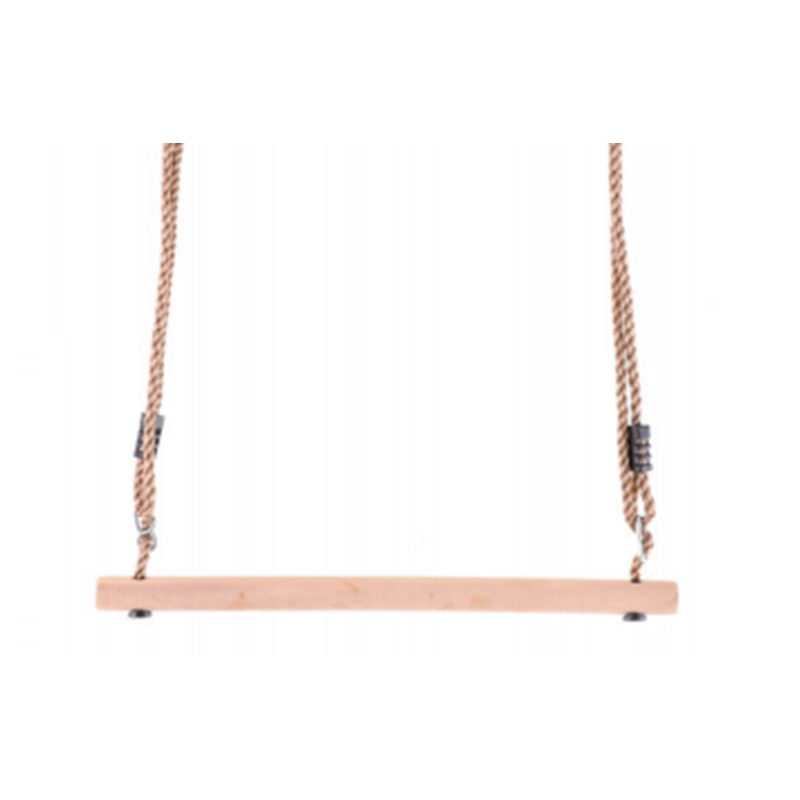
- Wooden rungs. Beech, pine and similar hardwoods are common. Edges should be chamfered and sanded, then oiled or coated. Untreated low grade wood splits along the grain within a season.
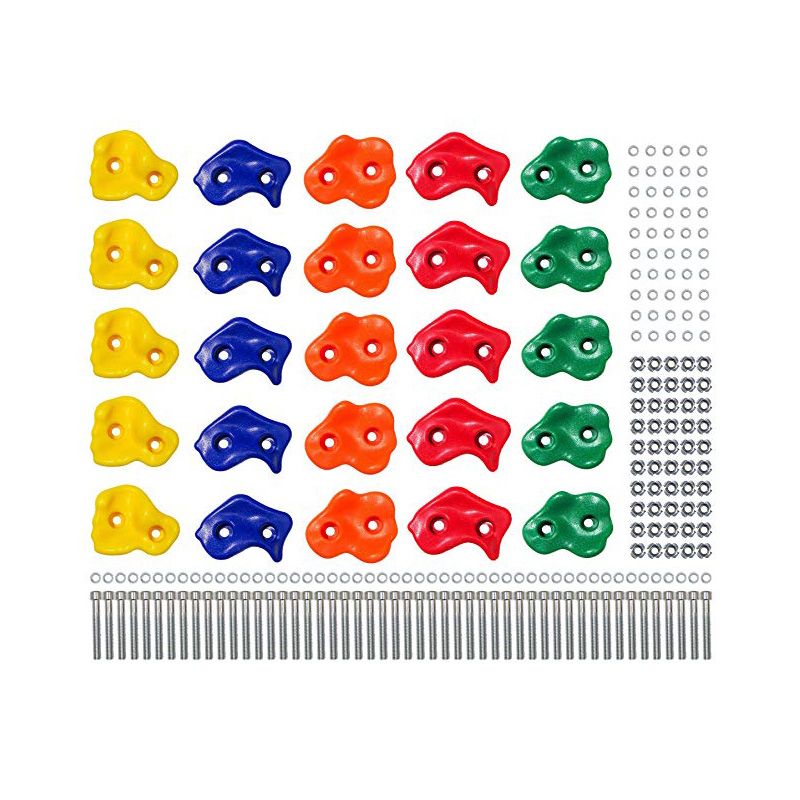
- Plastic rungs or climbing stones. Blow molded HDPE and PP tolerate rain, do not splinter and are easy to wipe down, which suits schools and public play areas.
- Steel hardware. 304 stainless for coastal and high humidity sites, hot dip galvanized or zinc plated steel for inland projects where cost matters more than the longest service interval.
Rope ends deserve the same attention as the rope. A heat sealed or whipped end lasts far longer than a plain cut, and if the ladder is trimmed on site, specify spare rope and a simple whipping method in the installation note.
 Wooden Climbing Rope Ladder for KidsThis wooden climbing rope ladder suits backyard or indoor use, so rope-end finishing and shared swing-set load paths are worth reviewing before installation.View Product →
How to Hang the Ladder Without Weakening the Swing Set
The ladder shares a load path with the swing set, so the attachment method matters as much as the ladder itself. The options below run from the least to the most invasive.
- Wrap over suspension strap. No drilling, the load spreads across the beam, and the ladder can be taken down in seconds. The best default for timber beams.
- Quick connect clips. Let staff or parents remove and rehang the ladder without untying knots, which is useful for schools and rental properties.
- Swivel ring. Stops the ladder twisting when two children climb at once and reduces rope wear at the anchor point.
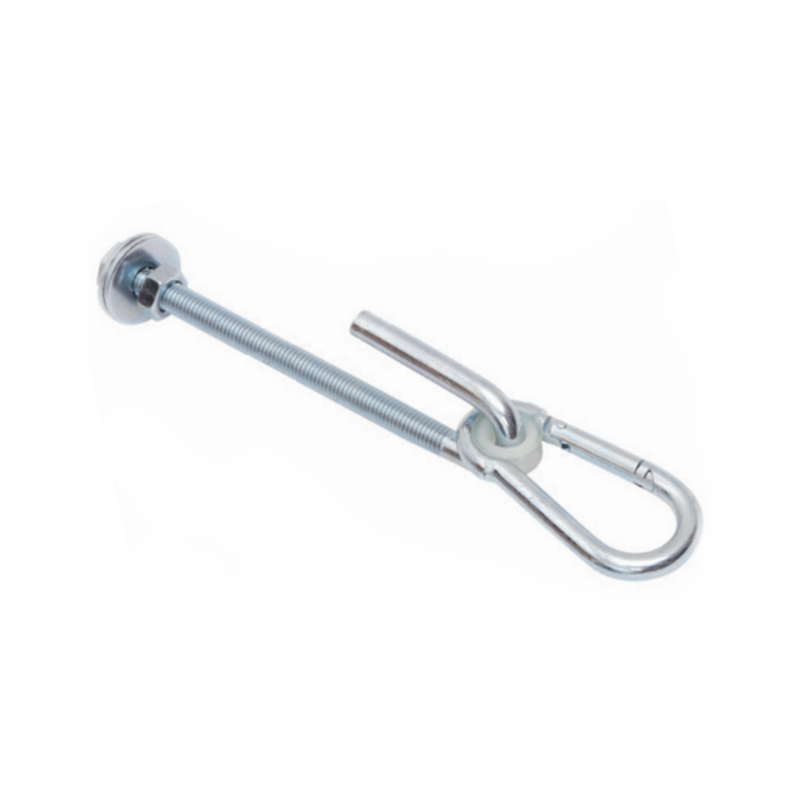
- Bolt on bracket or mounting plate. Needed when the beam is metal or when a permanent installation is specified.
- Drilling straight through the beam. A last resort. Every hole removes material from the member that carries the swing load, so keep holes away from the beam centre and never drill near a joint.
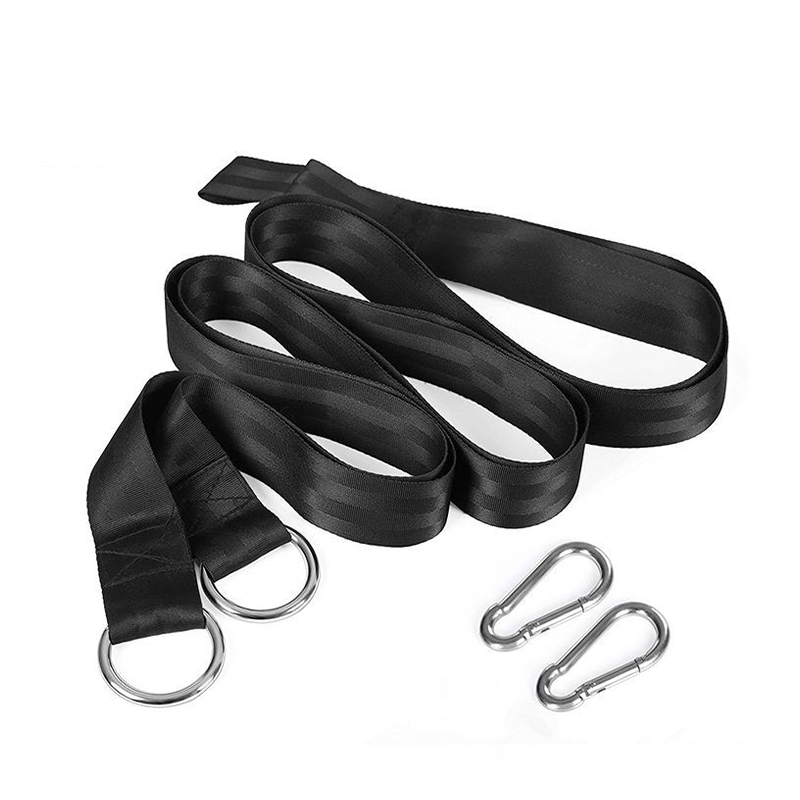 High-Strength Nylon Suspension Straps for Swings and HammocksThese nylon suspension straps connect swings, hammocks, and climbing nets; customizable sizes and anti-slip textures suit angled hanging setups for active play.View Product →
Hang the ladder so it leans back around 15 to 20 degrees instead of hanging dead vertical. A slight angle lets children use their feet, keeps the rungs clear of the frame legs, and cuts down the pendulum swing when someone steps off.
Safety Checks and Documents to Ask For
Most returns on climbing accessories come down to a handful of predictable issues, and each one can be checked before shipment.
- Tensile test data for the rope and for the assembled rung to rope joint, not only for the rope on its own.
- Salt spray results when steel hardware is supplied, since rusting clips generate complaints faster than anything else.
- Heavy metal and phthalate testing for painted wood, coatings and plastic rungs, together with the standards your target market requires for toys and playground equipment.
- Entrapment review of openings. Gaps between rungs should be either smaller than 89 mm or larger than 230 mm so a head cannot pass through and become trapped.
- Edge and protrusion review. No sharp knots, no exposed screw threads, no bolt ends inside the climbing space.
- A drawing showing rung count, total ladder length and finished rope length, so the delivered item matches the approved sample.
Climbing equipment is judged as a complete assembly, from the anchor down to the last rung. This breakdown of what makes a safe and durable climbing system for kids applies the same logic to ladders and nets.
Matching the Ladder to the Play Setup
- Home A-frame swing set. Four to six rungs, wood or plastic, strap attachment, ladder stored indoors for winter.
- Tree swing or treehouse. Eight to twelve rungs, heavier rope, and a stainless swivel at the top because branches and beams are rarely level.
- Kindergarten or school yard. Plastic rungs or climbing stones plus removable hardware, so staff can take the ladder down for inspection or before a storm.
- Commercial playground or resort. Ladders combined with climbing nets, galvanized or stainless hardware, and a written inspection interval.
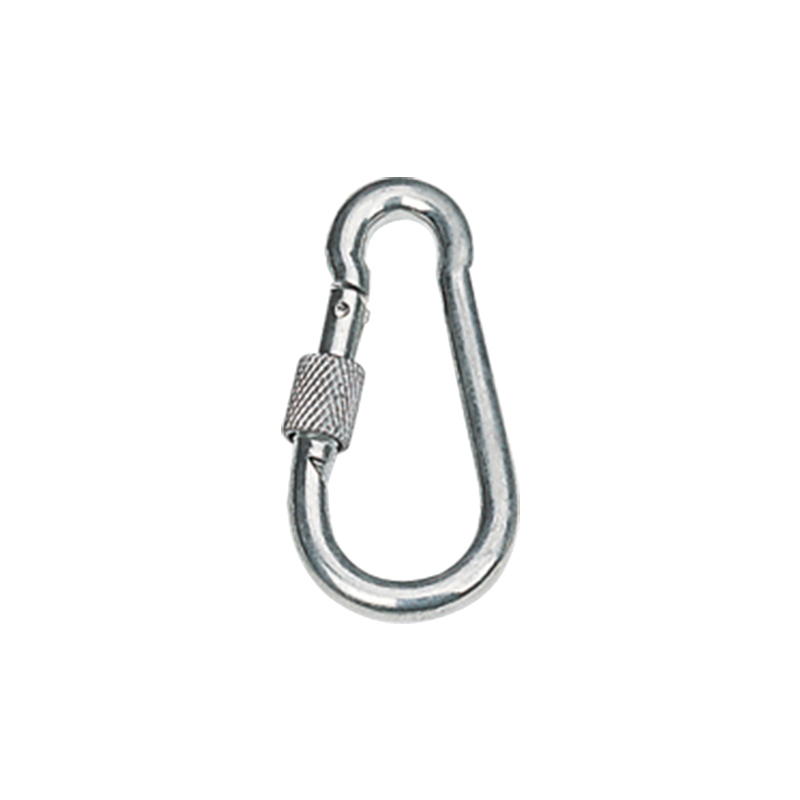 Galvanized Iron Quick-Connect Clips for Swing and Climbing EquipmentThese rust-resistant M8/M10 clips connect swing straps and climbing nets, with spring-lock and screw-fixation options for completing a safe climbing assembly.View Product →
What to Put in the RFQ
A single page request shortens the quotation cycle from weeks to days, because a manufacturer building to drawing needs the following before pricing accurately.
- Beam height, beam cross section and the intended attachment method.
- Ladder length, rung count, rung spacing and rung material.
- Rope type, diameter, colour and the finish required on the rope ends.
- Target working load and whether the ladder is for children only or shared with adults.
- Quantity, packing requirement, carton marking and destination port.
- Standards, labelling and any test documents that must travel with the shipment.
Rope ladders look like simple accessories, and they are, until the beam is 15 mm too thick or the first rung is out of reach. Measure the swing set, fix the specification in writing, and choose hardware that fits the frame you actually have rather than the frame in the catalogue photo. Drawings and samples can be reviewed before production, so send over your beam dimensions and the rung spacing, rope length and attachment hardware can be confirmed against your frame.
To discuss a specific swing set project, reach the team through the contact page.